When roof damage leads to an insurance claim, the argument is usually about evidence. What state was the roof in before? What has changed? Was it the weather, or years of wear? An insurer cannot answer those questions from a phone call, and neither can you from the pavement. A dated record made by a person who has actually climbed up can help everyone see the same thing, and it removes a good deal of guesswork from the conversation.
This guide explains what a roof inspection report can show, what it cannot do, and how photographs and receipts fit around it. It covers the steps worth taking before and during a claim, why the line between a storm and ordinary wear matters, and how the Financial Ombudsman Service comes into it if you and your insurer disagree. It sits within our roof inspections work around Taunton, from town streets to the farms on the Levels. A report supports a claim, and the insurer decides it, so nothing here is a promise that a claim will succeed.
What an insurer looks for in a roof claim
Every policy has its own wording, so the first document to read is your own. Insurers generally want to know three things: what happened to the roof, when it happened, and how the roof stood beforehand. A claim for storm damage and a claim for a roof that has simply aged are weighed differently, and the policy usually draws that line in its own terms.
Why does the roof's condition beforehand matter?
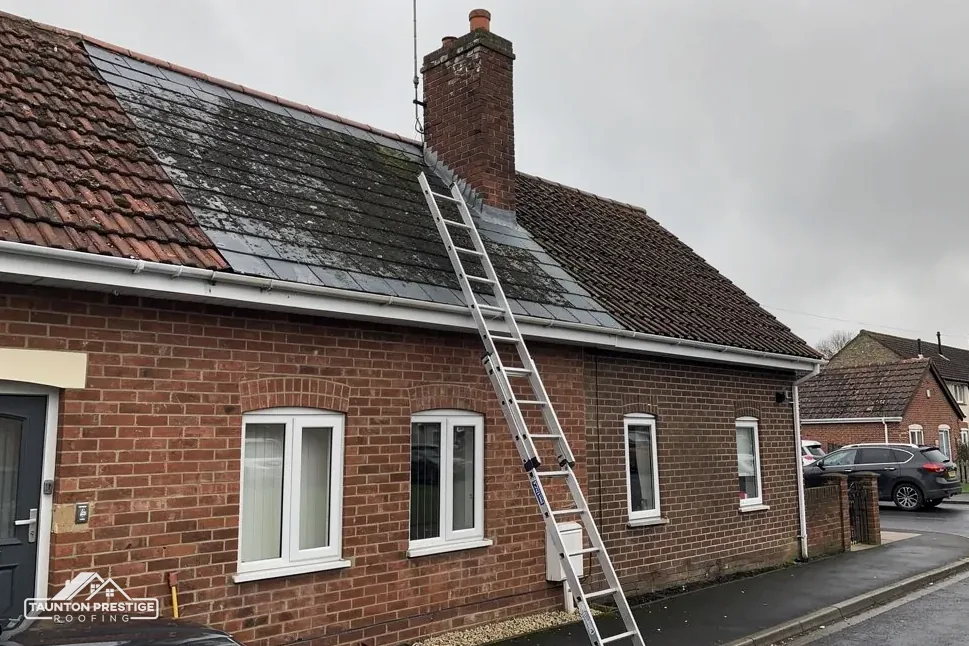
Because it shapes the argument about cause. A roof with sound slates, tight flashings and clear gutters that loses a ridge in a gale tells one story. A roof with worn slates, patched lead and moss in the valleys that loses the same ridge tells another. A roofer's findings cannot change that history, but they can record it accurately rather than leaving it to memory.
An insurer may send its own assessor, ask for photographs, or ask for a repair estimate before agreeing to anything. Whatever it asks for, it helps to have the basic record ready, in one place and in date order: dated pictures, a plain description of what you saw, and a note of when and in what weather you first noticed the problem.
Read the policy for anything it says about maintenance, because some policies treat neglected upkeep as a reason to reduce or refuse payment. Where a clause is hard to follow, ask the insurer to explain it in writing, and keep that reply with your other papers. Policies differ, and a plain answer in writing is worth having before you need it. Keep a copy of the full policy document, not just the summary sheet, since the detail on exclusions sits in the longer wording.
What a written roof report can and cannot do
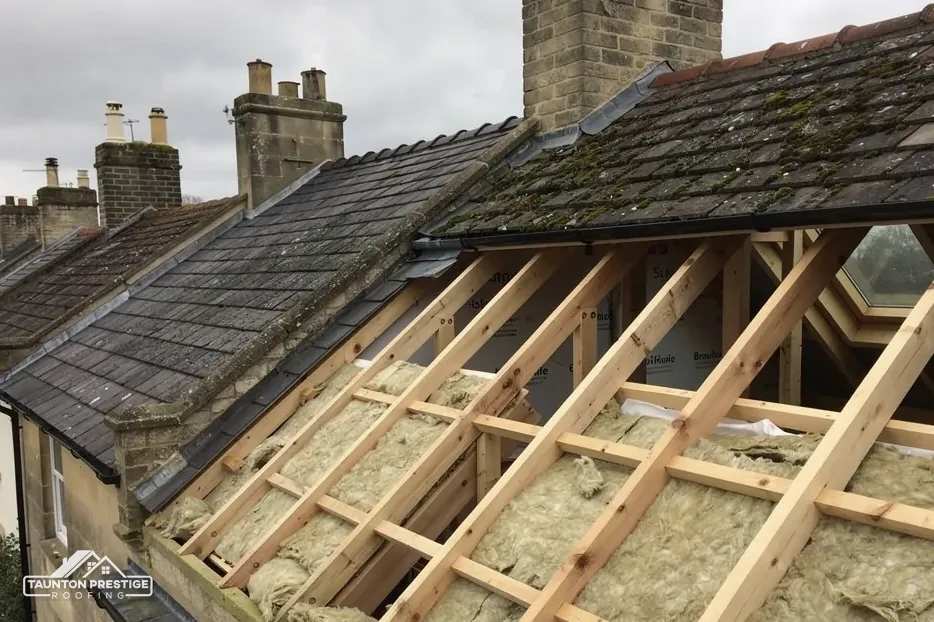
A report is a snapshot, which is both its strength and its limit. It records the covering, the ridges, the valleys and flashings, the chimneys, the gutters and the loft as they were on the day, with photographs taken on your roof. It can describe where damage sits and what the surrounding covering looks like, and it can list the repairs that are needed and how urgent they are. Because the pictures belong to your roof and carry the date of the visit, they are easy for a third party to follow.
It cannot say whether the insurer should pay. That is a decision for the insurer, made on the policy and the facts. Nor can any roofer promise that a claim will succeed, and anyone who promises one is offering something outside their gift.
Is a roofer's report the same as an insurer's survey?
No. An insurer's assessor works for the insurer's side of the file. A roofer's report is the record of the person who looked at your roof on your behalf. The two may agree or differ, and where they differ, clear photographs and plain wording make the gap easier to understand.
For the report to be useful it needs to be specific. Vague phrases such as "general wear" or "storm damage" mean little to a claims handler. A line such as "three slates cracked on the south-west slope, close to the verge, with the neighbouring slates intact" gives something to work with. Our page on what a roof inspection report holds shows the headings we use, and the pictures sit beside each finding so the reader can match words to the roof.
A baseline record while the roof is sound
The strongest evidence is made before anything goes wrong. A set of photographs and a survey taken when the roof is in ordinary condition gives you a dated starting point to compare against later.
There are natural moments for one: when you buy a house, when you sell, after major work, or at the start of a policy. A homebuyer's survey may flag the roof in a line or two and leave the detail open, which is a good moment to commission a closer look.
What should a baseline record include?
- Wide photographs of each elevation, front, back and both sides, taken from the ground.
- Close shots of the ridge, the chimney stacks, any valleys and the main flashings.
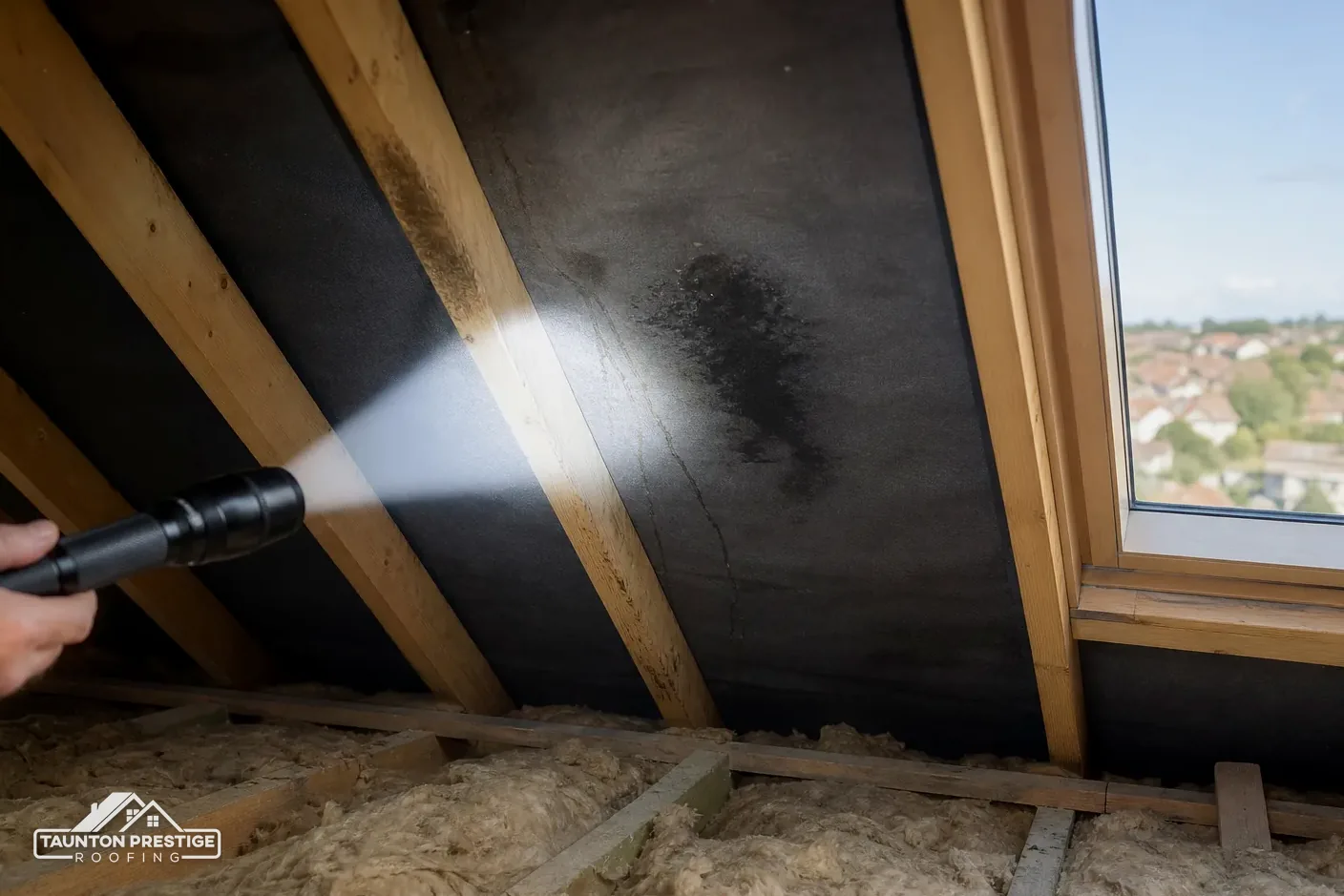
- A set of pictures from inside the loft, showing the underside of the roof and the insulation.
- The gutters and downpipes along their length.
- The date on every file, and a note of the weather.
Store the originals somewhere safe. A cloud folder or an email to yourself is enough. Resist editing, cropping or filtering the pictures, because a plain original is easier to rely on than a tidied one. A record that takes an hour to make can save a long argument years later, and it costs nothing to repeat every few years to see how the roof is ageing.
If you let a property, the same set of pictures shows what the roof looked like at the start of a tenancy. If you look after a relative's home, it gives you something to hand to a surveyor or a solicitor without a trip up the ladder. A flat or a house in a terrace may have a roof that is shared or owned by someone else, so ask who insures it before you ring anybody.
During a claim: the order that works
Once damage has happened, the sequence matters more than speed. The steps below follow the plain advice that applies to most storm claims.
- Make people and property safe, and keep away from anything loose.
- Tell your insurer, and ask what it needs from you and whether it wants to see the damage before repairs.
- Take dated photographs of the damage: outside from the ground, up in the loft and inside the house.
- Arrange a temporary repair to stop further harm, and keep the receipts.
- Keep any fallen slates, tiles or pieces until the insurer says otherwise.
- Ask a roofer to write up what they find, with pictures.
Does everything need the insurer's say-so first?
A temporary repair to keep the weather out does not need to wait. A roof left open can suffer further harm, and that extra harm can muddy a claim. A permanent repair is different: ask the insurer what it expects beforehand, since it may want an assessor to call first or may wish to agree the scope with you.
IStructE, the structural engineers' institution, calls photographs vital in storm cases, and an insurer asked to fund a repair will want to see what it is funding. Our guide on what to check after a storm sets out the safe ground and loft checks to make first.
Storm damage, wear and the grey area between
Most disputes come down to one question: was this a storm, or was it age? The Financial Ombudsman Service treats a storm as severe wind, normally with rain, hail or snow in tow. A gust that strips a dozen slates in one night fits that picture more easily than a slow slide over several winters, though the policy wording still governs, and the insurer looks at the whole file.
The edge cases are where a roofer's findings help. A slate that has slipped because its nail rusted through is a wear question. A ridge that has lifted along its whole length after a night of gales is a different picture. A report cannot settle the question, yet it can describe what the roof looked like around the damage and so give the insurer a fuller view.
What if the roof was already tired?
Then say so. A report that records old patching, weathered covering and an overdue gutter clean is honest, and it protects you from a later accusation of hiding something. It also gives you a plan: you may have a claim for the new damage and a separate repair job for the old, and a clear report separates the two, so that you are not asked to pay again for damage the claim has already covered, or left with old faults dressed up as new ones.
Which? reported that only 32% of storm-related claims made in 2024 resulted in a payout. That figure is a reminder that insurers look hard at the evidence, not a forecast for your claim.
When the answer is no: the Ombudsman route
If the insurer declines the claim or pays less than you expected, start with its complaints procedure and ask for the reasons in writing. Keep your photographs, the report and every letter together, and write a short timeline as you go: the date of the storm, the date you told the insurer, who you spoke to and what they said. A page of dates reads far better than a memory of conversations.
What are the time limits?
Eight weeks of silence from the insurer is enough to open the Ombudsman route. After a final response letter lands, you have 6 months, counted from the date printed on it, to bring your case to the Financial Ombudsman Service. There is no charge to the consumer.
The Ombudsman looks at what the policy says and whether the insurer treated you fairly. A clear record of the roof's condition, with dated photographs, helps because it answers the factual questions straight away.
Does a roof still need fixing during a dispute?
If water is coming in, yes. Protect the house with a temporary repair and keep the receipts. A written survey can set out which parts of the work are urgent and which can wait, so you are not forced to choose between a leaking loft and a stalled dispute.
Our guide to the cost of a roof inspection explains what to expect to pay for the kind of report that makes a complaint easier to put together.
Roof report and claim queries
Will an insurer accept a roofer's report?
The insurer decides what it accepts, so ask it what it wants to see. A report with dated photographs of your own roof, the covering named and the damage located precisely is a clear record to hand over, but it supports a claim and cannot decide one.
Should I book a roof report before I need to claim?
A baseline record is the strongest evidence, because it shows how the roof stood before anything went wrong. Buying, selling and finishing major work are natural moments for one. Keep the original files and the written findings together in one folder, with a note of the date.
Can a report prove the damage came from a storm?
It can describe where the damage sits, what the nearby covering looks like and what the roofer saw, which gives the insurer a fuller picture to weigh. Whether the cause was a storm is the insurer's judgement, tested against the policy and, if needed, the Ombudsman.
More on this subject: Roof inspections in Taunton