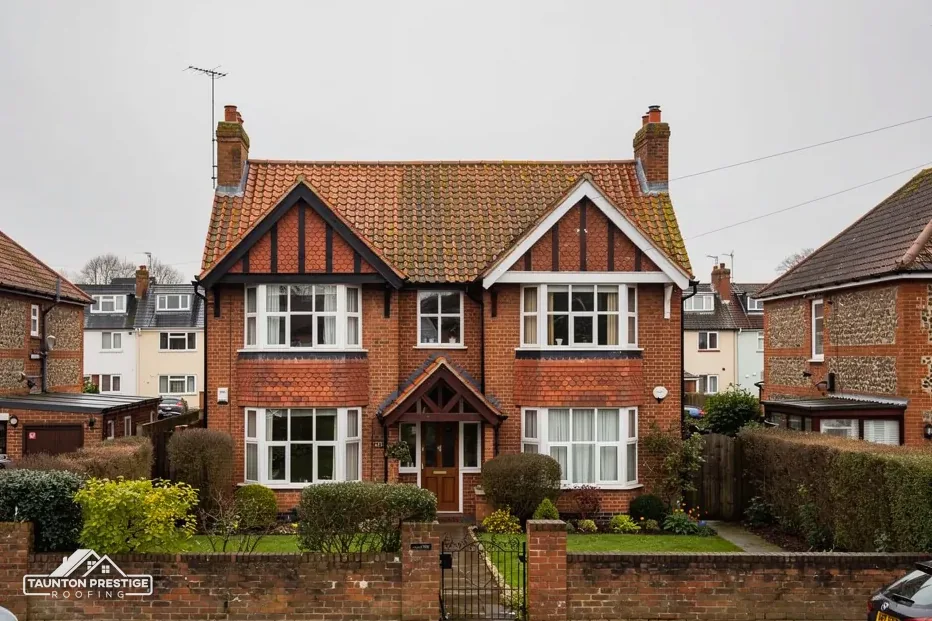
St Mary's, Grade I
Listed Grade I on 11 November 1966 and a working parish church, so roof repairs follow the faculty route.
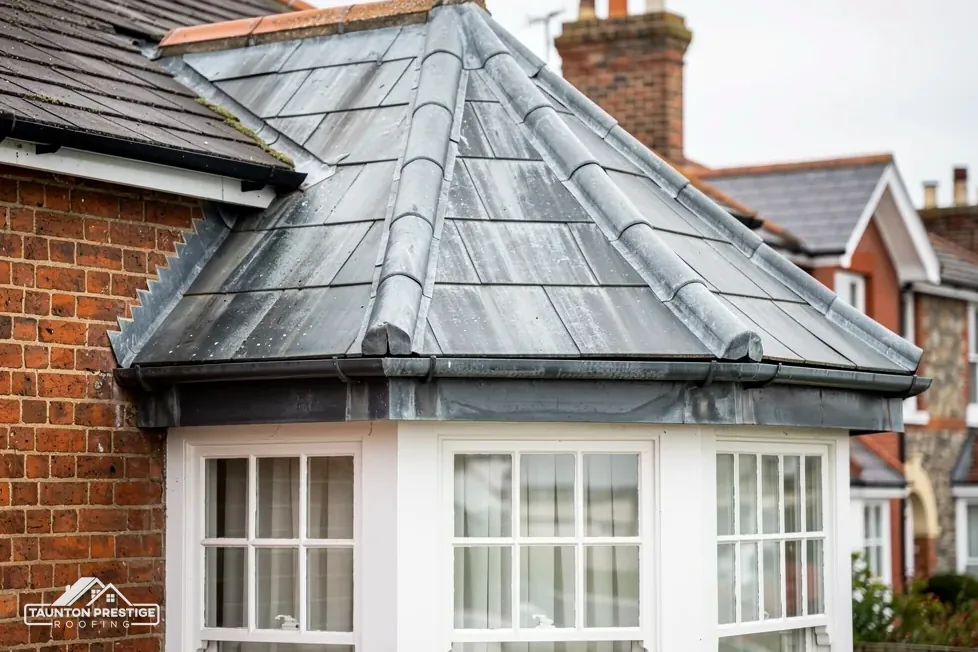
A Grade I church and Grade II* houses within a National Landscape
Beaminster lies inside the Dorset National Landscape, with a Grade I church and Grade II* houses. We read the roof, show you photos and give one written price.
Listed Grade I on 11 November 1966 and a working parish church, so roof repairs follow the faculty route.
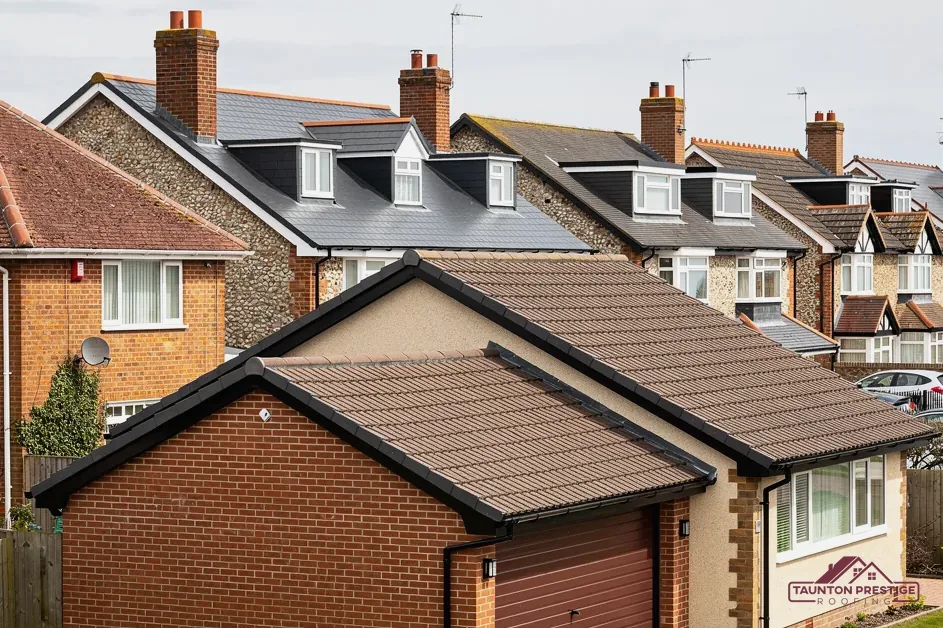
Barton End with its attached walls, Devonia and Farrs are all listed Grade II*, so their roofs need consent first.
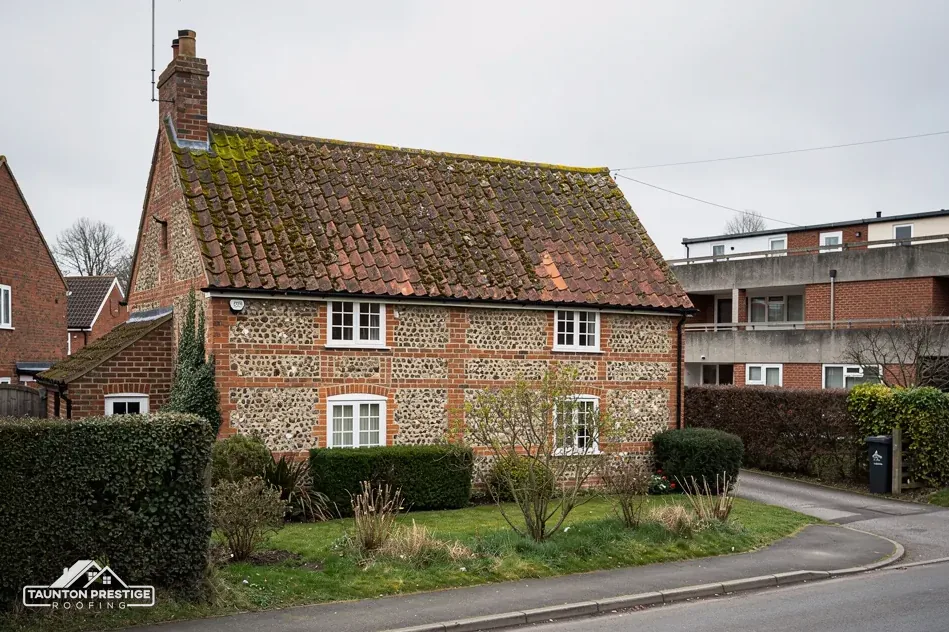
The planning dataset holds five Beaminster conservation area records, the first within about 0.75 km of the centre.
Street map of Beaminster with Netherbury, Broadwindsor, Mosterton, Misterton marked around it, and Taunton.
Netherbury lies to the south-west of Beaminster and Broadwindsor to the west, while Mosterton sits north-west, Misterton to the north and Bridport to the south.
About 21 miles south-east of Taunton, Dorset Council (unitary).
Four checks inside the National Landscape
Four things to settle early on a Beaminster house, because each one changes which consent applies and what the work involves.
The planning data finds every part of the 1.5 km box around Beaminster inside the Dorset National Landscape, the designation once called an AONB. For a roof, the practical result is short: a dormer here needs a planning application to Dorset Council, so any dormer idea is best raised early. We ask about any dormer plan at the first visit, because it decides whether a loft idea is a job for next month or for next year. Even a small change to the roofline can raise questions in a designated landscape, so we take pictures of the existing slopes from the ground before proposing anything.
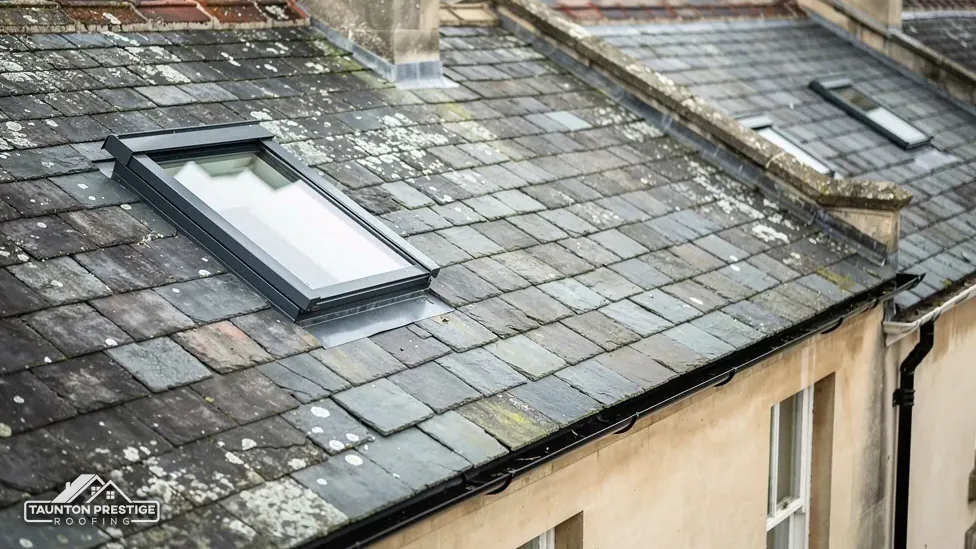
Often the answer is yes, because a window set into the slope is judged on different rules from a dormer that sticks out of it. On a listed house, our page on listed building roof consent explains the extra step. A conservation area boundary or an Article 4 direction can tighten matters, so the council's planning team is the last word for your address. Roof windows also meet energy rules, with a figure of 1.4 or a Band B Window Energy Rating, and rooflights have their own figure of 2.2 under Part L.
The dataset holds five Beaminster conservation area records. The first lies within about 0.75 km of the centre, and the second and third are touched by the same search. Dorset Council's planning team holds the boundaries and their dates. Give us the address, and the survey notes will record where the plot sits against each boundary alongside the covering on each slope.
Look for
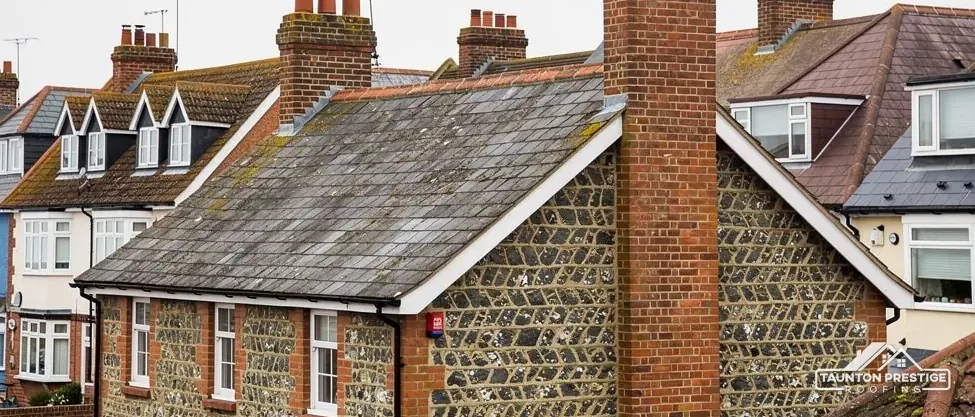
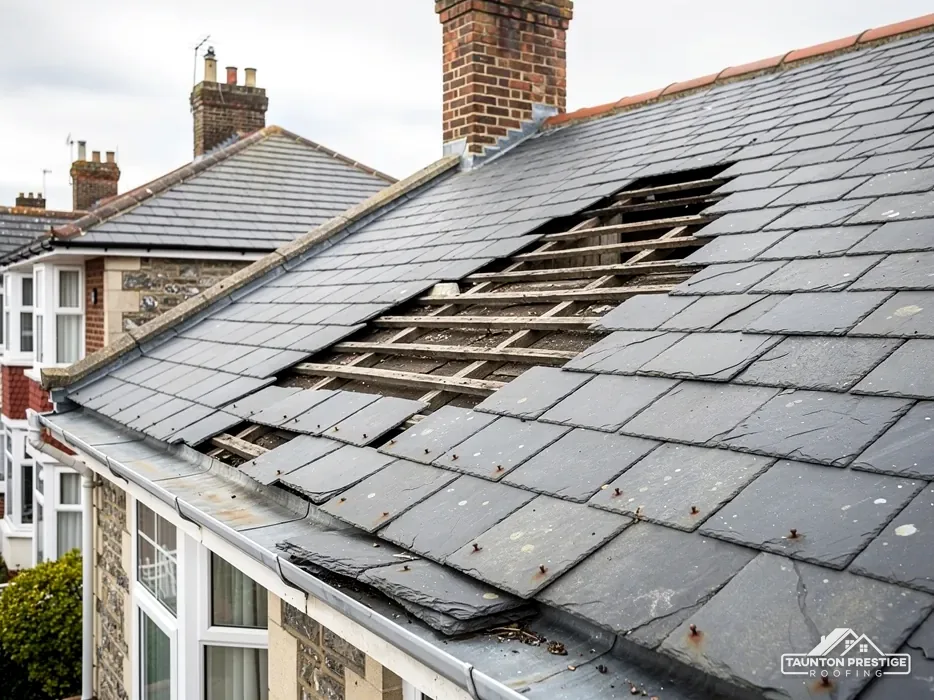
Historic England dates the Grade II* listing of Barton End and its attached rear walls to 22 December 1983, and Devonia and Farrs hold the same grade. The Grade I listing of St Mary's church dates from 11 November 1966. Listed status attaches to the building and covers its roof as part of the whole, so a change that alters the character of the house needs listed building consent from Dorset Council, even where ordinary re-roofing rights still apply.
What decides the price
On an old house the roof is a large part of how it looks, and a patch in the wrong colour or size shows from the lane. We keep slate as slate and clay as clay, and match size, thickness and texture, sometimes drawing on reclaimed stock when new pieces would look wrong. For clay, the Building Research Establishment quotes a minimum life expectancy of 60 years, per Marley, and it applies to clay alone. For slate, the Confederation of Roofing Contractors says well-kept slate can last 100+ years. Both are typical lives, never promises. Stone walls under a listed roof carry weight differently from modern brick, and an old roof timber may be hand-cut and uneven. We check the wall plate, the timber that the rafter feet bear on, before talking about new battens, because a covering laid on a tired wall plate fails early whatever the slate is.
Anglican worship continues at St Mary's, so its roof falls under the faculty system, and the parish arranges the application. Listed building consent from the council is not the route for it. If you manage a church or chapel in the area, tell us its denomination and use, because Unitarian and Quaker buildings, closed churches and converted chapels follow a different path. Our slate roofing page covers the repair choices.
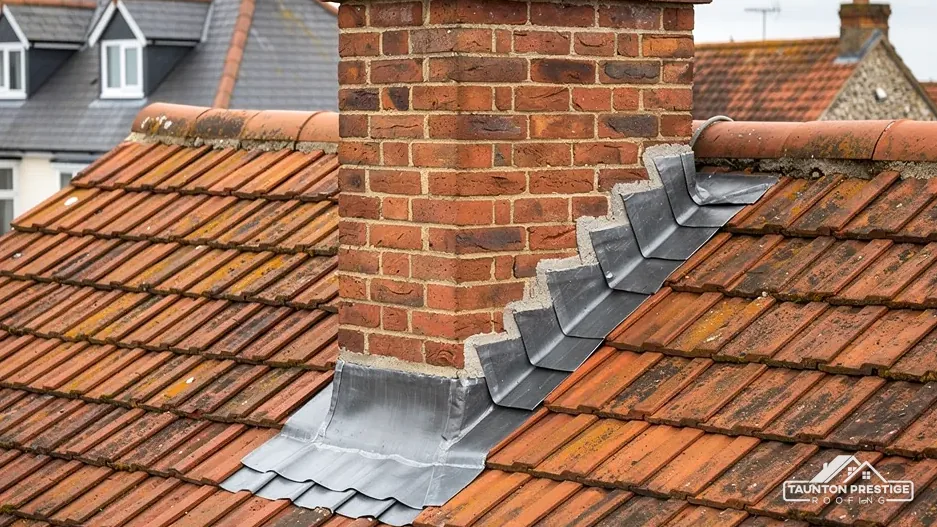
Leadwork is where an old roof most often lets water in, because it sits at every awkward junction: the valley where two slopes meet, the flashing against a wall or chimney, the small bent pieces called soakers that waterproof a slate edge against masonry. A maker's cast-lead brochure lists Code 3, the thinnest, for soakers only, Code 4 for soakers, flashings, pitched valleys and dormer work, and Codes 5 to 8 for heavier positions such as parapets. The thickness we choose has to suit the position, and the survey tells us which. A leaking valley is often found from the inside first: a brown ring on a bedroom ceiling that comes and goes with the weather. From the loft we trace the stain uphill, looking for wet timber and daylight at the lining, before anyone goes on the roof, which keeps the walking on old slate to a minimum.
Water gathers where roofs meet, so the junctions are where the survey spends the most time.
MyJobQuote (Sep 2026) gives a typical UK range of £150 to £250 for a leadwork patch on a chimney, and £350 to £920 for the full set, depending on scaffold. Those are national guides, never our prices. Lead flashing can last for over 80 years, so a sound piece with a local split can be patched. Where the lead has crept, buckled or been replaced in the wrong metal before, a fresh run is the better buy. Our lead work page explains more.
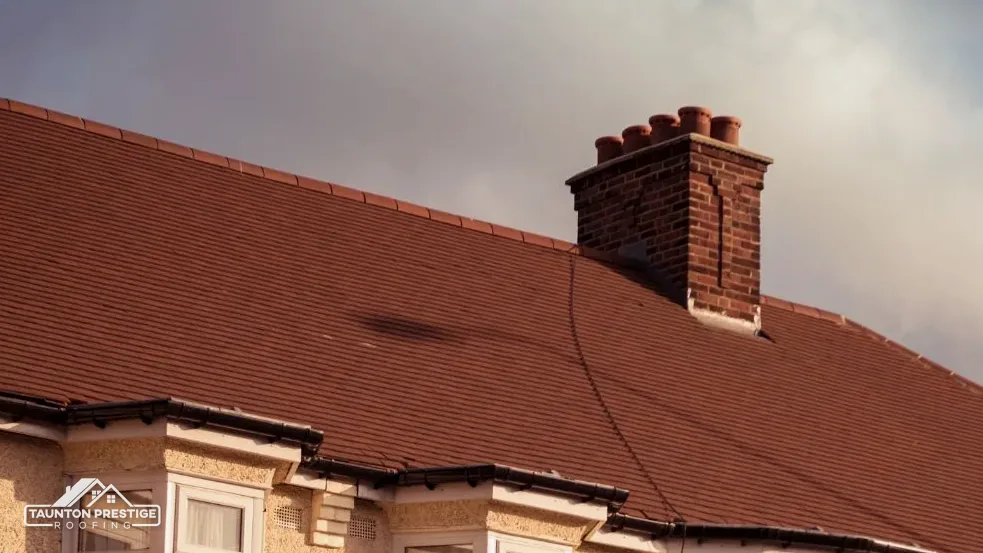
Repointing renews the mortar between the bricks or stones. MyJobQuote (Oct 2026) puts a typical UK range at £450 to £1,200. Flaunching, the mortar crown around the pots, gets renewed at the same visit. On a listed house a rebuild or alteration of the stack may need consent, while taking out a chimney breast always needs Building Regulations approval. Our chimney repairs page sets out each option.
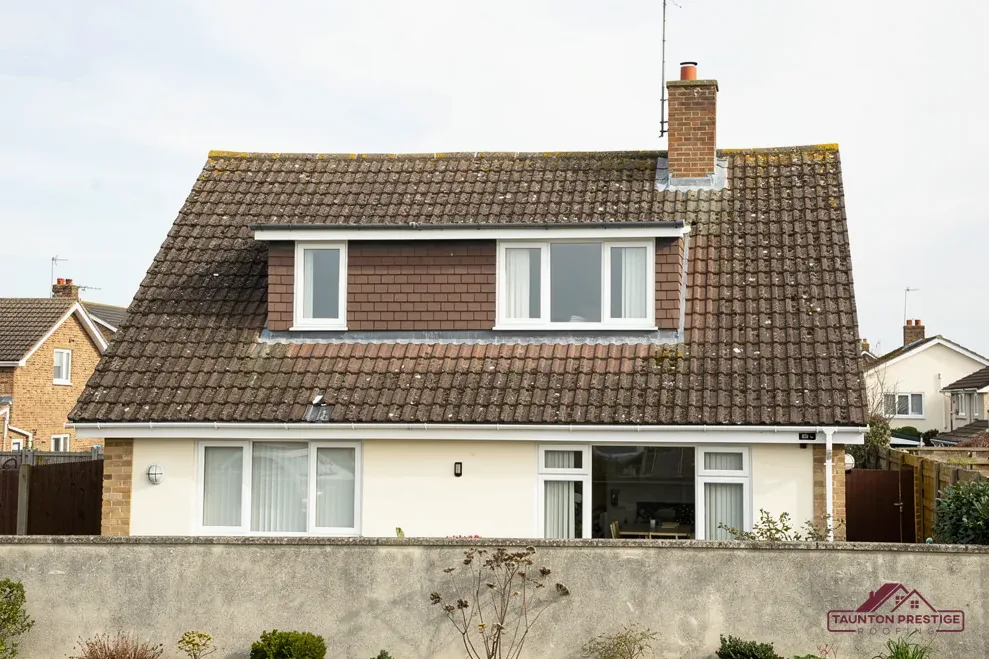
Old stone houses with deep eaves and roof voids suit birds and bats, and both have legal protection that touches a roofer's timetable. A bird's nest in use is protected by section 1 of the Wildlife and Countryside Act 1981, which punishes anyone who intentionally takes, damages or destroys it, and GOV.UK adds that no licence exists to let building work go ahead over one. We check the eaves, ridge and verges at the survey and plan the start around anything we find. Signs of use include droppings below the ridge, staining round a gap in the eaves and sounds in a roof void at dusk. Whatever we see goes into the survey notes, and if bats are present we tell you plainly and explain the next step, which is expert advice before work and not a quick fix.
What decides the price
Two sets of law apply. Section 9(4) of the 1981 Act catches anyone who intentionally or recklessly disturbs a bat inside a roost, or blocks its way in. The Conservation of Habitats and Species Regulations 2017, in regulation 43, add offences for deliberately disturbing bats and for damaging or destroying a breeding site or resting place, and the second needs no intent. Roof repair is one of the jobs GOV.UK says may affect bats.
Where poles take up pavement or road, the highway authority's licence comes first, and we arrange it with the scaffolder and tell you what notice is required. Poles on private land need no such licence. Access, height and the weeks it stays up all feed the single written price. After the visit you hold dated pictures of your slopes and that one total. Send your Beaminster address and a line on the fault, and we will book the survey.
Walked the roof?
When you have read the checks, we walk the roof and show you the photos.
A dormer cannot be permitted development there, so it needs an application to Dorset Council. A window set into the slope is judged separately and may stay within permitted limits, but a conservation area boundary or an Article 4 direction can change that. Ask the planning team about your address before you order anything.
St Mary's holds a Grade I listing and remains a Church of England church, so its roof falls under the faculty system and not the council's listed building consent. The parish applies for the faculty, and a roofer works to what is approved. A survey with dated pictures gives that application an accurate starting record.
It depends on how far the damage runs. MyJobQuote (Sep 2026) gives £150 to £250 for a patch and £350 to £920 for the full leadwork, as typical UK ranges. A sound sheet with one split suits a patch; creeping, buckled or wrongly matched lead is better renewed. The survey shows which, and the written price follows.
They can delay it. Bats and their roosts are protected, and the 1981 Act and the Habitats Regulations 2017 both apply, one punishing those who intentionally or recklessly disturb them and the other deliberate disturbance and damage to a roost. We look for droppings and entry points at the survey and tell you the next step before any tile is lifted.
Send your Beaminster address and a line on the fault, and the survey is the next step.