Plenty of householders in Somerset and across the country were approached about loft foam by a salesperson who arrived unannounced, or who phoned first and then came round with a tablet and a contract. Some were told that the foam would pay for itself, that it would strengthen the roof, or that no mortgage lender would mind. Years later a surveyor or a leak tells a different story, and the owner is left holding a signed agreement and a roof they cannot see.
This guide sets out the consumer rules that may apply: what counts as a sale made away from the trader's premises, how the 14-day cancellation period works, why the window can be longer than 14 days, and where to get free advice. Treat it as general information rather than legal advice, because your own paperwork is what counts. It belongs with our spray foam insulation removal work around Taunton, where we meet homeowners in exactly this position once the foam has been fitted and the salesperson has long gone.
What counts as being sold at the door
The rules that matter here are the Consumer Contracts Regulations 2013, which cover contracts for services made away from the trader's business premises. The legal term is an off-premises contract, and the wording is wider than the old picture of a salesman on the doorstep. A contract made in any place that is not the trader's own business premises can qualify. That covers your kitchen table, and it covers an agreement you sign at home once a survey is done.
Does a phone call first change anything?
The test looks at where the contract was made, not at who made first contact. A leaflet through the door, a call from a lead-generation firm or a free loft check booked online can all end in the same place: someone in your house, a form on a screen and a signature. If the agreement was entered into at your home rather than at the firm's office or showroom, the off-premises rules are likely to be relevant.
Keep anything that shows how the visit began. Save the leaflet, screenshots of the booking, text messages and the name on the van. They help show where and how the deal was made, and they cost nothing to keep.
Spray foam is a service as well as a product, because it is applied to your building by the trader. That matters in the next section, where the length of the cancellation period depends on whether the contract is for services.
The 14-day cancellation period
For a service contract, the cancellation period ends at the close of the fourteenth day after the day the contract was entered into. During that time you may cancel without giving any reason. Count from the day after you signed, and put the date in your diary on the evening you sign.
Can the work start before the 14 days are up?
Yes, but only if you ask for that. For an off-premises contract, the trader may start within the cancellation period if you have made the request on a durable medium. A durable medium is something you can keep and look at later, such as a letter or an email, so a spoken yes on the doorstep does not count. If you cancel after asking for an early start, you may be asked to pay for what has already been done, so do not hurry a decision you are unsure about.
Is there an exception for urgent repairs?
There is one worth knowing. If you specifically asked the trader to visit to carry out urgent repairs or maintenance, the cancellation rights in these rules do not apply. It does not stretch to a visit the trader invited itself to, and it does not turn a sales call into an emergency. A roof that has already lost tiles in a gale is a different case from a loft that someone suggested would be warmer.
Always check the paperwork for a cancellation notice, a form or a stated deadline. Their absence matters, as the next section explains.
When you were never told about cancelling
Traders who sell away from their premises must give you information about your cancellation right before the contract is made. If you were never given it, the rules extend the period. The cancellation period is stretched by up to 12 months, counted from the day on which it would otherwise have ended. So a householder who was never told about the right may still have time, long after the usual two weeks have gone.
How do you check what you were given?
Go through every page you received: the contract, any terms printed on the back, emails, and anything sent by text. Look for a plain statement that you can cancel, a time limit and a cancellation form or address. If there is nothing, note that, and note the date you signed.
Do not rely on a verbal explanation from the salesperson as a substitute. What matters is what you were actually given and when.
The extension is a right to cancel, not a ruling that you will get your money back for work already done. What follows depends on the facts: what was supplied, what you asked for, and what the trader can show. For that reason it is wise to take advice before you write to the firm, and to put anything you send in writing and keep a copy. The advice line in a later section is free.
If the firm has closed or changed name, keep the paperwork anyway. Other routes may be open to you, including a complaint about how the sale was carried out.
Promises that did not hold
Did someone sell you spray foam with promises about what it would do? The usual ones are lower bills, a stronger roof, a house that never needs another repair, and a lender who will not mind. None of these is a fact you can check from this page, and whether a statement was misleading is for a court or an adviser to judge. What you can do is write down exactly what was said, by whom and when.
What is the trader legally expected to do?
The Consumer Rights Act 2015 sets a standard for services: reasonable care and skill. That is the standard for foam sprayed onto your roof, and it applies whether or not the sale took place at your door. If the work was done badly, or caused damage, that standard is where a complaint starts.
Gather the evidence in one place. Useful items include the quote or contract, any brochure, text messages, emails, the payment record and any certificate or warranty. A warranty is a promise about repair or replacement, not a statement about how long the product will last, so read what it actually covers and who stands behind it.
On the lender, RICS advises asking your own mortgage provider whether foam insulation is acceptable under its rules. If the seller told you something different at the sale, keep a note of exactly what was said. Our spray foam and mortgages in Somerset post covers that side in more detail.
Free advice and what to ask for
Before writing to a trader, speak to someone independent. The Citizens Advice consumer helpline is 0808 223 1133. It gives advice to individuals on consumer problems, and it is the right first call about a contract that was sold to you at home. Citizens Advice also publishes guidance on getting home improvements done, which includes the sensible rule of asking for written quotes from at least three different traders before choosing one.
What happens if the firm will not talk to you?
Traders must tell consumers about any dispute resolution arrangement that is available if the consumer is unhappy with the outcome. Since 6 April 2026, that duty sits in section 308 of the DMCC Act 2024, which took over from the older ADR Regulations. Ask the firm in writing which scheme, if any, it uses. The answer tells you where a complaint can go next.
If the foam was paid for on finance or a credit card, tell the provider as well, and check the agreement for what it says about problems with goods or services. The Citizens Advice line can explain how that fits with your rights against the seller.
Keep your letters short and factual. State the date of the contract, what you were promised, what you found, and what you want, whether that is cancellation, repair or a refund. A short, dated letter is easier to act on than three pages of complaint. Send it by a method that gives you proof of delivery.
Finding out what is under the foam
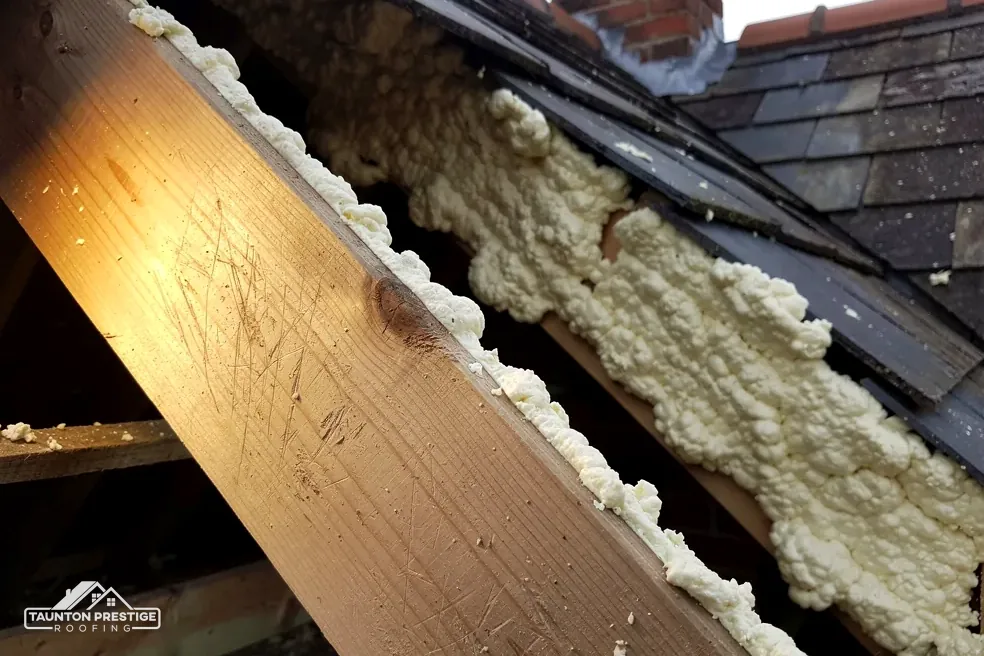
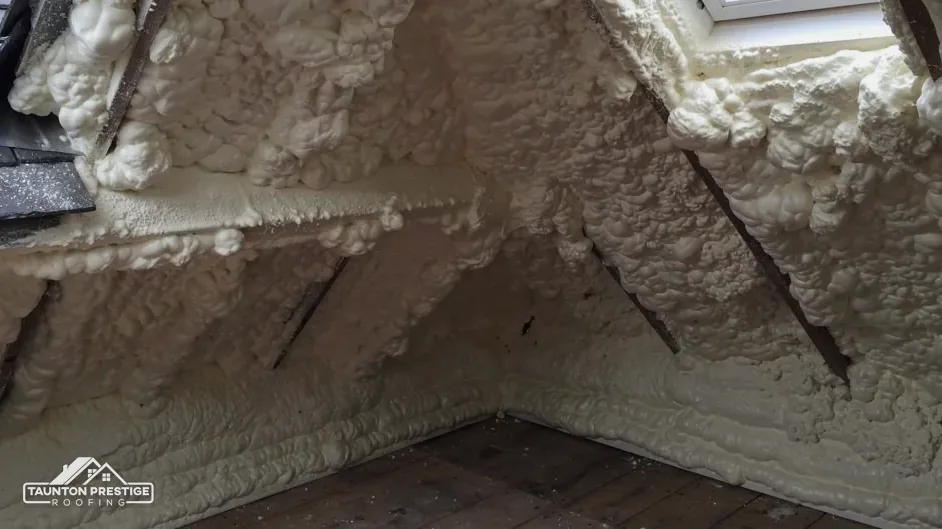
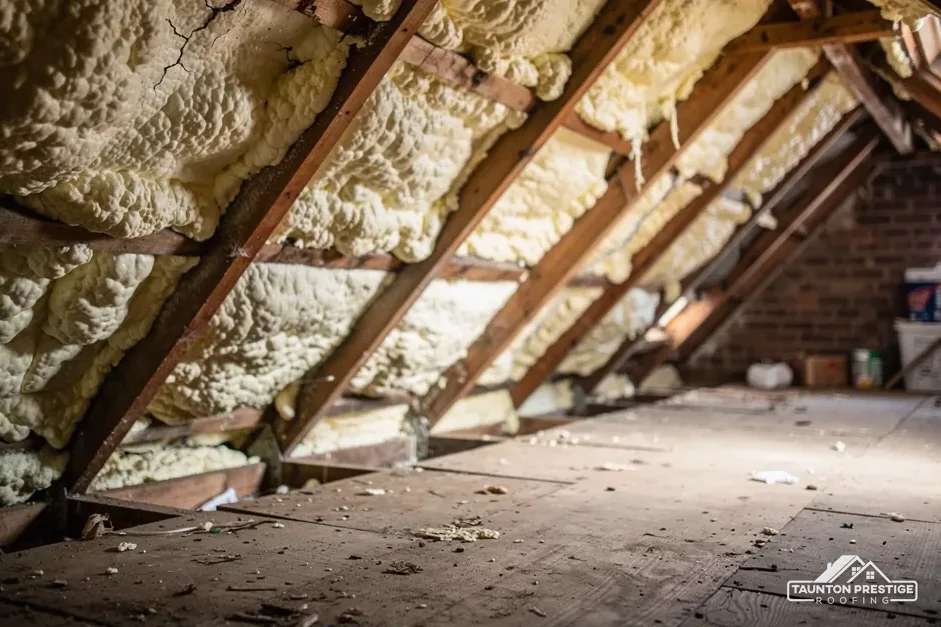
Whether you decide to cancel, complain or simply move on, you need to know the condition of the roof beneath the foam. That is a roofing question, and it has an answer that photographs can show. We start with a survey, lift only what is safe to lift, and send you pictures of your own roof so you judge the condition for yourself.
What can a survey tell you about the sale?
A roofer cannot say whether a salesperson broke the rules. What a survey can show is whether the foam has been sprayed against timber, felt, tiles or slates; how thick and how continuous it is; and whether there is any sign of damp or rot nearby. That is evidence about the work, which is separate from evidence about the promises. Our guide to whether home insurance covers spray foam problems covers how to keep such a record for an insurer.
If you decide on removal, the same cancellation rules can apply to a contract made at home after our survey, so read any cancellation information you are given and keep it. Removal is slow hand work, and its cost follows the type of foam, how much roof it covers, how we reach it and the repairs that come next. What spray foam removal costs explains those drivers,, and whether removal is worth it is the question to settle before you sign anything.
Do not rush. A signed contract, a deposit and a start date can all wait until you have the survey photographs and have taken advice.
Sold spray foam at home: your questions
Can I cancel spray foam I agreed to at home?
You may be able to. For a service contract made away from the trader's premises, the cancellation period ends fourteen days after the day you signed. If you were not given cancellation information, that period can run for up to 12 months longer. Check your paperwork and call the helpline before writing to the firm.
Does the cancellation right cover an urgent repair I asked for?
Not if you specifically asked the trader to visit to carry out urgent repairs or maintenance. That visit is excluded from the cancellation rules. A sales visit that the trader arranged, or a job that was not urgent, is a different matter, so keep the booking records that show who asked for what.
Who can advise me about a foam sale that went wrong?
The Citizens Advice consumer helpline, on 0808 223 1133, advises individuals on consumer problems. Have your contract, payment record and any messages to hand when you call, and write down what you were told at the sale, who said it, and the date of the visit.
More on this subject: Spray foam insulation removal in Taunton