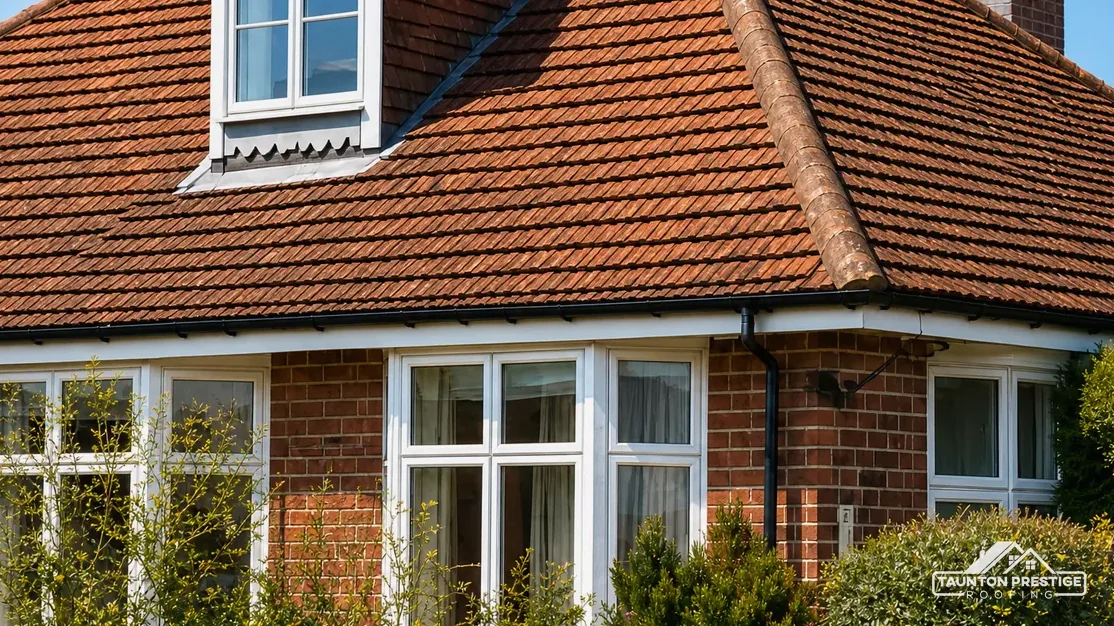
St John the Baptist church
Grade I since 9 February 1961 and Anglican, so its roof work follows the faculty route.
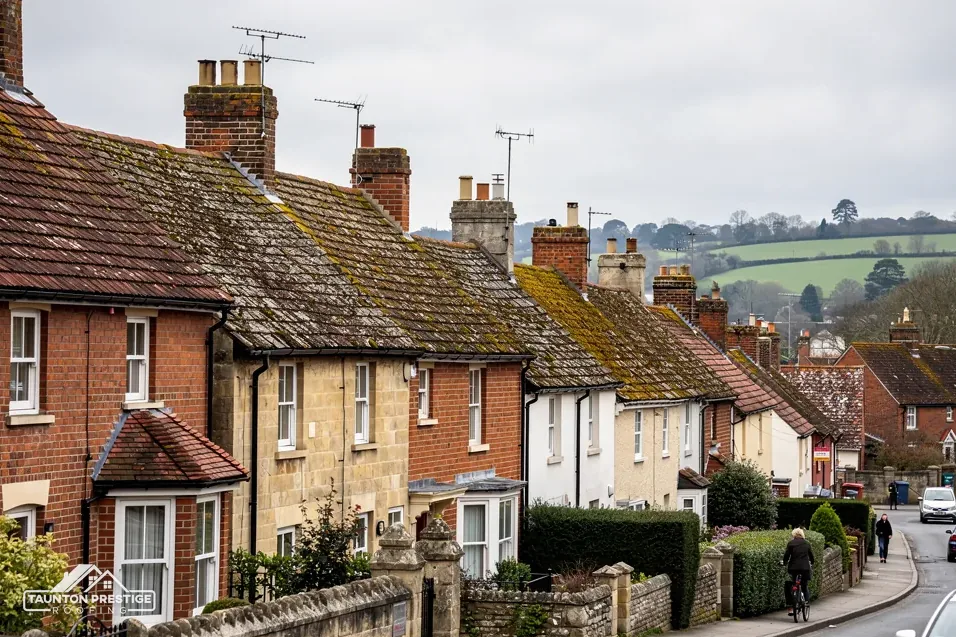
A medieval town of early listed buildings below the Mendips
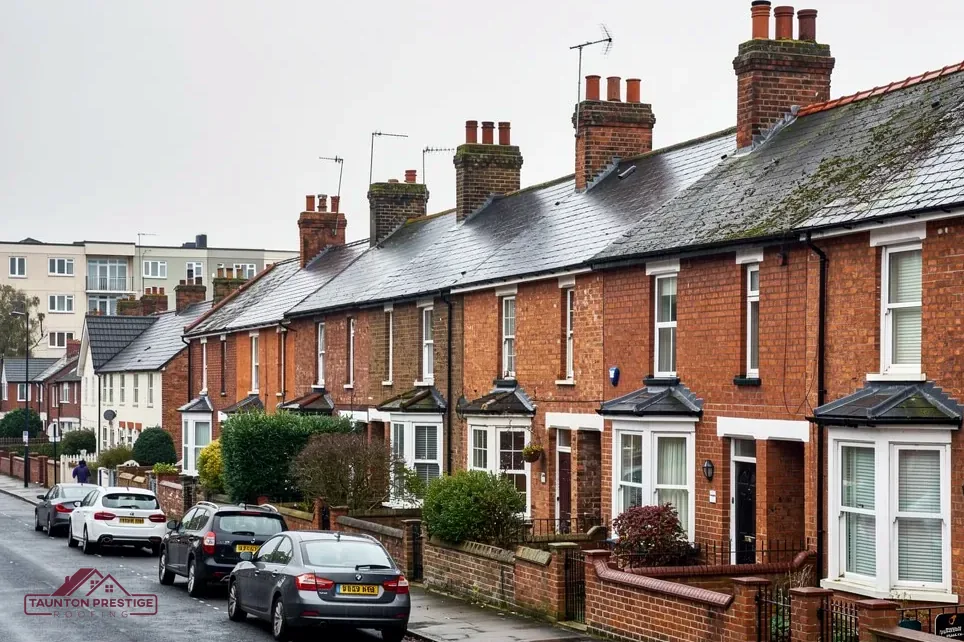
Axbridge was a Saxon burh and a cloth town, and much of its centre survives with little rebuilding. Roofs here are surveyed, photographed and then priced as one total.
Grade I since 9 February 1961 and Anglican, so its roof work follows the faculty route.
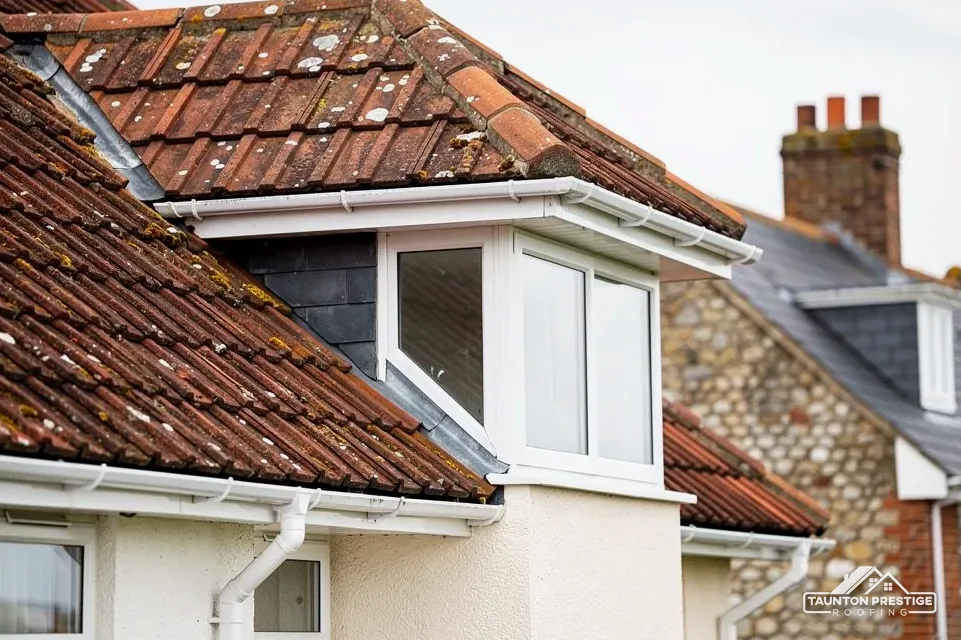
Old Manor House is Grade II* as well, so listed building consent applies to roof changes touching their character.
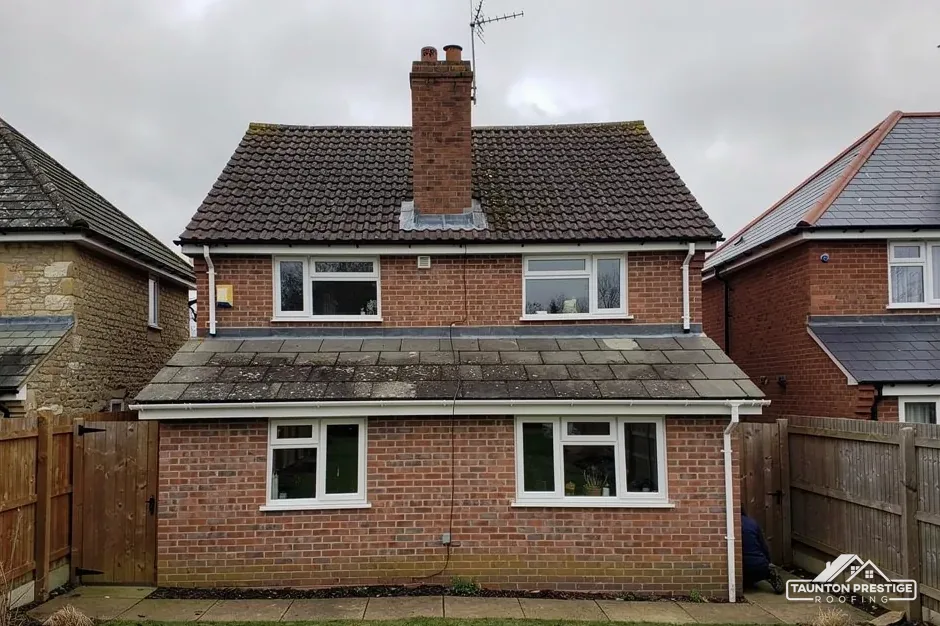
Now the Axbridge Museum and listed Grade II*; any roof change there begins with a consent check.
Street map of Axbridge with Cheddar, Winscombe, Sandford, Wedmore marked around it, and Taunton.
Cheddar lies south-east of Axbridge, with Winscombe and Sandford to the north, Wedmore to the south and Mark to the south-west, while East Brent sits west and Hutton north-west.
About 23 miles north-east of Taunton, Somerset Council (unitary).
Four checks along the main streets
What to check on a house in the old centre or on its edge, and how each point changes consent, method and cost.
Axbridge was recorded as a burh in the early 10th-century Burghal Hideage, presumably defending the western route to the royal residence at Cheddar, and a mint worked here in the early 11th century. By the 14th century it was a well-established cloth town, and Mary I's charter of 1557 gave it a mayor. Then the cloth trade declined and building slowed, which is why very little of the centre has been rebuilt and why early listed buildings line the main streets. For a roofer the lesson is plain: assume nothing about an address until it has been checked. The town sits at the foot of Axbridge Hill on the southern fringe of the Mendips, with the flat moorland of the Axe valley to the south, and the Environment Agency maps put Flood Zone 3 within about 250 m of the centre. For your own address, GOV.UK has a long-term flood risk checker.
St John the Baptist is Grade I, and 9 High Street is Grade II*, both first listed on 9 February 1961. King John's Hunting Lodge, which houses Axbridge Museum, and the Old Manor House are Grade II* as well. An Axbridge conservation area is mapped within about 0.75 km of the centre, and Somerset Council holds the boundary and the designation date. Listed building consent is needed for work that changes what makes a listed house special, and our guide to listed building roof consent compares the routes.
Part of the ground within about 750 metres of the centre falls inside the Mendip Hills National Landscape, formerly an AONB, although the centre is outside it. Somerset Council, which replaced Sedgemoor District Council on 1 April 2023, is the planning authority, and its planners can say whether your address is inside. We write the answer at the top of the survey, since it shapes every later choice about covering, ridge and rooflights.
Look for
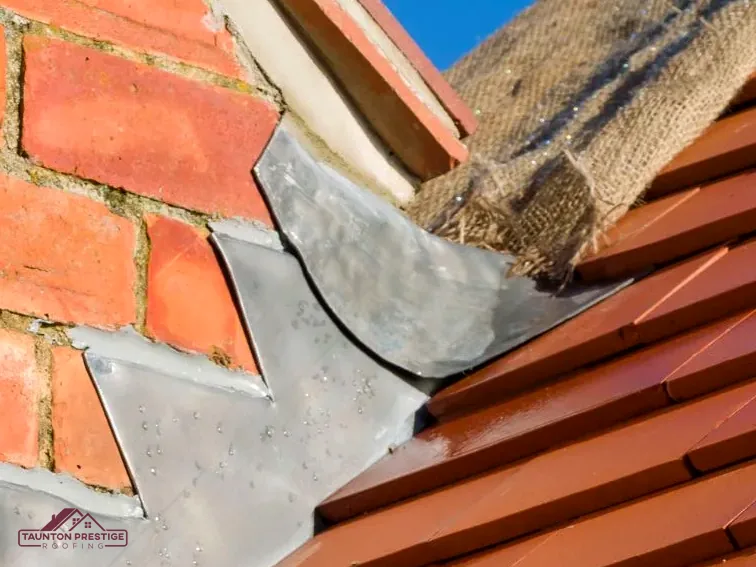
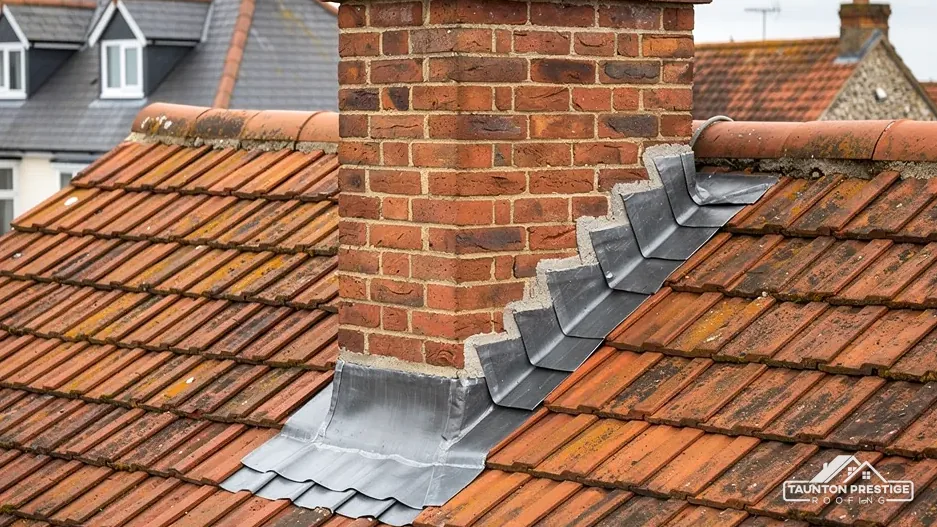
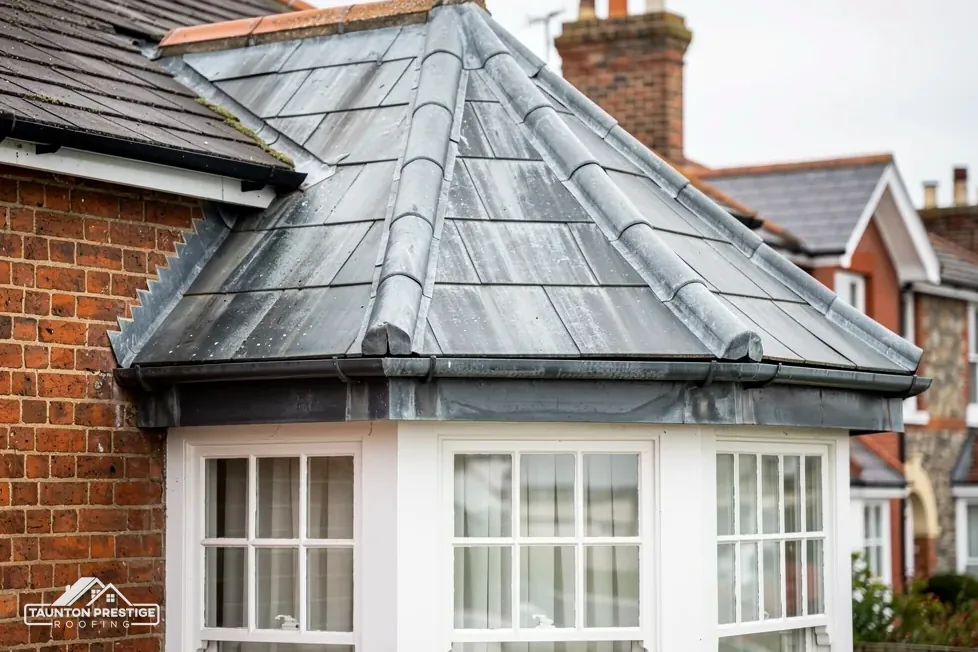
On a street of old frontages, rain does not always run neatly off the front of a roof. It can be caught behind a parapet, the low wall at the roof's edge, in a box gutter, a lead-lined channel that carries the water to a downpipe. Where two roofs meet at an angle, a valley does the same job. These are the parts a ground-level glance never sees, and they are where an old building most often lets water in. BS 6229 is the flat roof standard for flexible membranes and does not cover lead, so a lead gutter is judged by its laps, its falls and its outlets, and we photograph all three.
Sound or needs work
What decides the price
Lead sheet is sold in numbered codes, which are thickness grades. Royston's cast lead brochure sets code 3 (1.32 mm) aside for soakers alone, puts code 4 (1.80 mm) to work on flashings, pitched valley gutters and dormers, and gives codes 5 to 8 (2.24 mm to 3.55 mm) the parapet and box gutters. A soaker is a small sheet dressed under each course of slates or tiles where a roof meets a wall. A heavier code does not by itself mean a better job, since workmanship at the laps and the falls matters as much as the metal. A thicker sheet is also harder to dress into a tight corner.
From the street you may see a stain running down the wall below a parapet. Inside, a patch on the upper ceiling after heavy rain points the same way. Lead can last for over 80 years, so a failure is often at a lap, a hole where a nail was driven, or a blocked outlet. Where a lead pattern has to change, as it might on a listed building, the change is a consent question, and we raise it before any metal is ordered. Our lead work page walks through repair and renewal.
Old roofs lose heat, and an owner re-covering one is often asked whether to insulate while the covering is off. The rules call that renovation. In Approved Document L (the 2021 edition, which applies until 24 March 2027), the existing roof has a 0.35 W/m²K threshold and an improved figure of 0.16 W/m²K where upgrading is feasible. Paragraph 4.13 lets the upgrade stop at the best figure that pays back within 15 years, and generally no upgraded element should be worse than 0.7. Renewing the waterproof layer of a flat roof counts too. From 24 March 2027 the 2026 edition takes over.
Insulation that blocks the air path trades a cold house for a rotting roof.
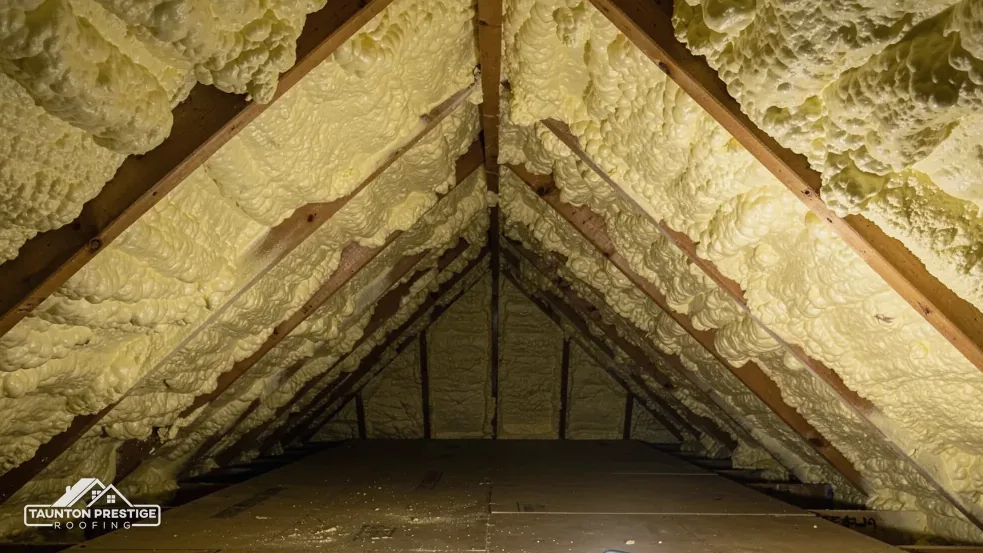
The Energy Saving Trust, on spraying foam onto a leaking roof, says plainly: we don't recommend doing this. Foam also hides the timber beneath it, so a rotten rafter goes unseen until it fails, and removing foam later from an old roof is slower and costlier than leaving the rafters open to inspection in the first place. RICS's consumer guide asks owners to check with the mortgage provider whether the lender's policy allows spray foam insulation. Our spray foam insulation removal page explains how we deal with foam that is already there.
Yes. BS 5250 covers the management of moisture in buildings, and Marley sets eaves ventilation for a cold roof under non-breathable HR underlay at 25 mm for pitches of 15 degrees or less and 10 mm above. Breather underlay can rely on far less if the ceiling is well sealed. A stack of insulation pushed into the eaves can block the air path entirely, and then the roof timbers sweat from the inside. We check the path from the loft hatch with a torch before anything is laid, and photograph it for you.
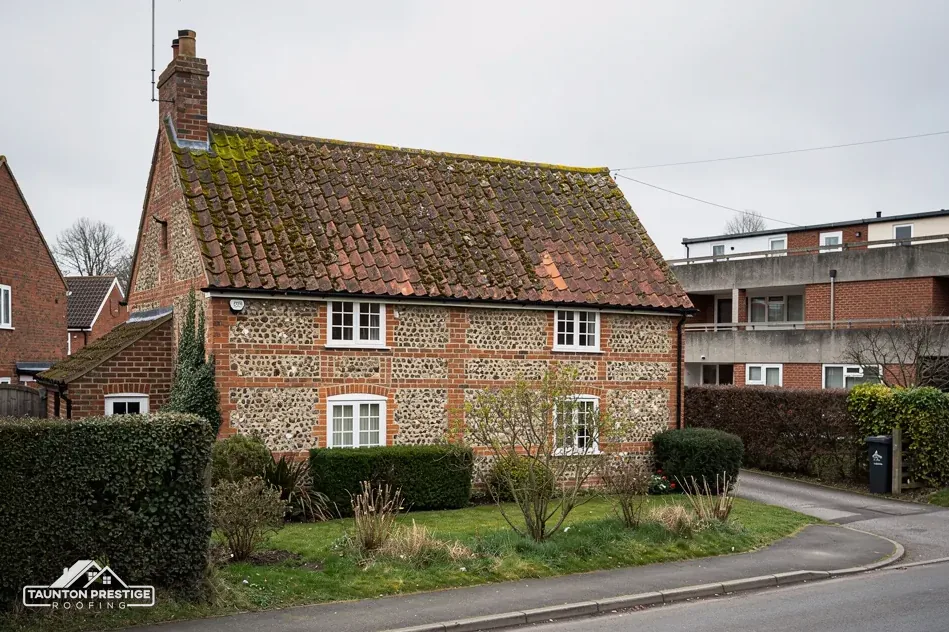
With a town centre strung along the road, much of the scaffold in Axbridge ends up on the highway, and the highway licence comes from Somerset Council. It is £124.60 per 28-day period (April 2026), and 10 working days' notice is asked for; only emergency applications are processed on less. If the scaffold fails inspection, an extra site visit costs £40, and a job that overruns needs a permit extension that must be applied for and paid for. All of which is why we plan the programme before the scaffold goes up. On a main street we also tell neighbours when it is coming, keep the pavement open wherever the licence allows, and take the waste away as the job goes.
What decides the price
Then the first job is to stop the damage spreading, with a temporary repair that gets the water out of the building, and the lasting repair follows the survey. On a listed building the temporary work is chosen so that it can be removed without leaving marks.
For advice on a consumer problem, the Citizens Advice consumer helpline is 0808 223 1133. The Consumer Rights Act 2015, section 49, says services must be performed with reasonable care and skill, and we expect to be measured against that.
The written price follows the survey and comes as one total, with photographs of your own roof beside it. A rear roof reached down a passage or across a yard changes how the work is carried in and the waste carried out, so tell us how your property is reached when you send your Axbridge address, and the survey is fixed.
Walked the roof?
When you have read the checks, we walk the roof and show you the photos.
They add a consent step before the price. A listed house needs listed building consent for work that changes its character, and the centre has a conservation area. Somerset Council's planners can confirm your address. A repair that matches the existing covering is the easier case, and our survey photographs go with any application.
The centre is outside, but part of the ground within about 750 metres of it falls inside. National Landscape is the rebranded name for an AONB, and the change is not statutory. Somerset Council's planning team can say if your address is inside. We note it at the survey and pass on photographs of each slope.
The Energy Saving Trust does not recommend spraying foam onto a leaking roof. Foam also hides timber, so rot goes unseen. RICS advises checking with your mortgage provider whether the lender's policy allows spray foam. The sound approach is to find and fix the leak first, then decide on insulation once the timber is known to be dry.
Royston's brochure lists codes 5 to 8, from 2.24 mm to 3.55 mm, for parapet and box gutters, with code 4 at 1.80 mm used for flashings and pitched valley gutters. The right code depends on the gutter's length and the falls. We recommend one at the survey and show you the existing lead first.
Tell us the street and what you can see from it, and a survey visit follows.