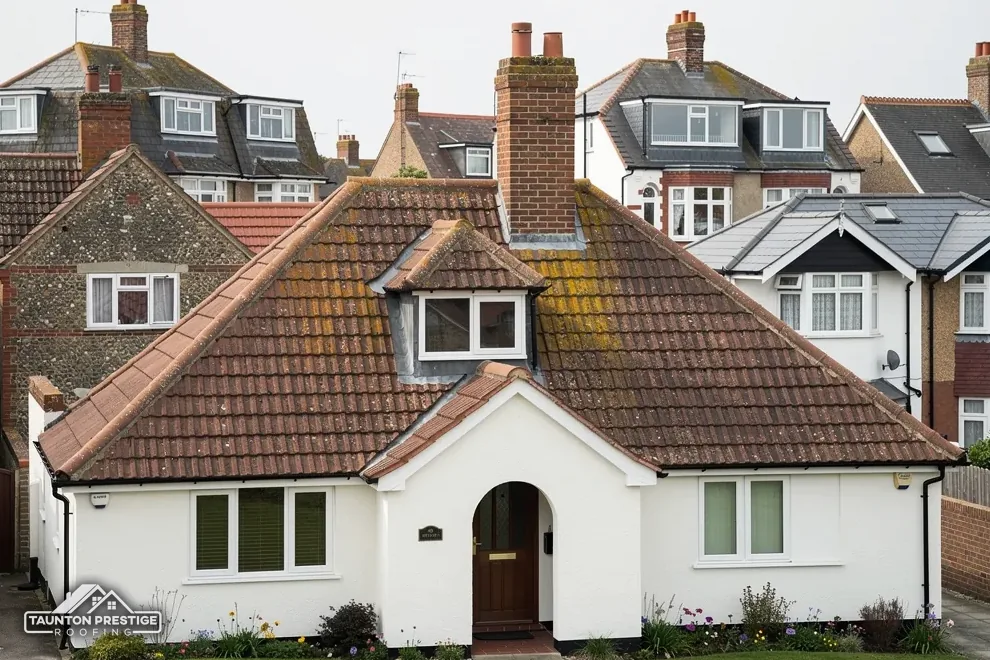
Cannington Court
Part of the Somerset Farm Institute and listed Grade I, with its first listing dated 29 March 1963.
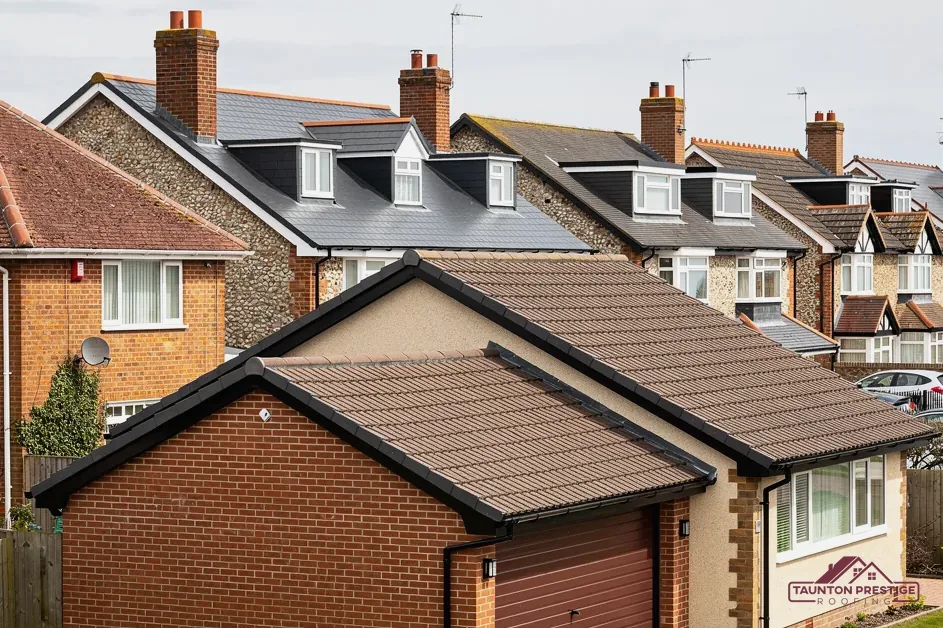
Three Grade I buildings between the Parrett floodplain and Cannington Hill
Cannington climbs from the Parrett floodplain to Cannington Hill, and 24 listed entries stand within 500 metres of its centre. A survey with photographs comes before any figure.
Part of the Somerset Farm Institute and listed Grade I, with its first listing dated 29 March 1963.
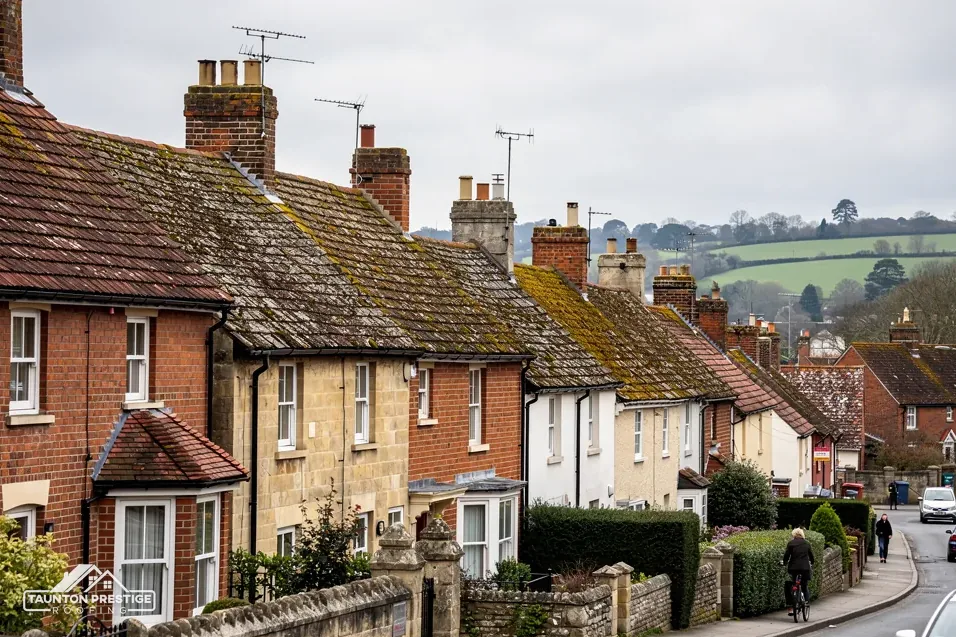
Both are listed Grade I, which makes three Grade I buildings among the 24 entries near the centre.
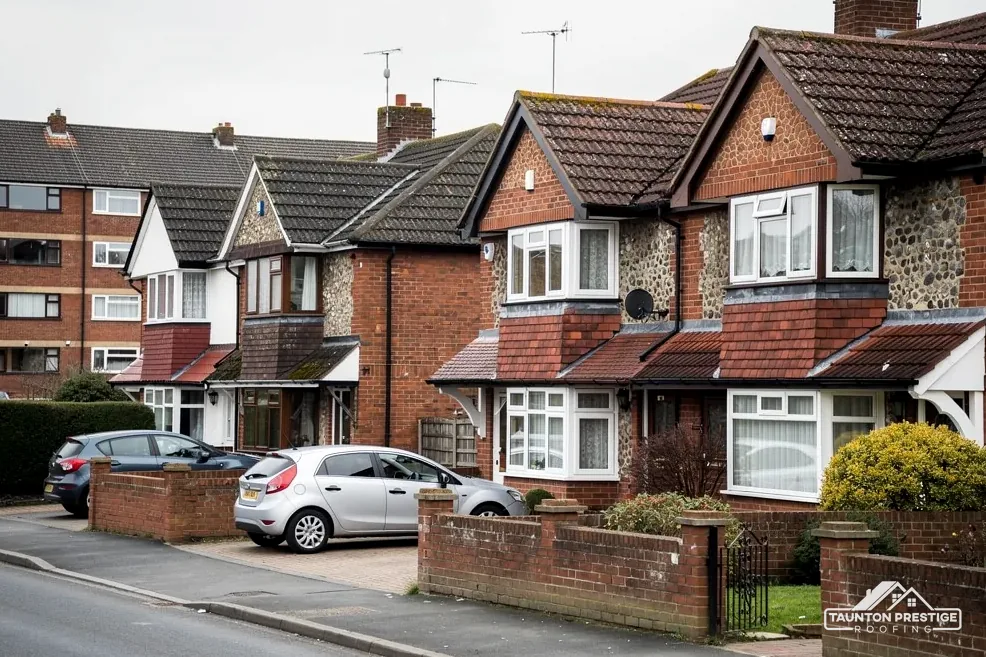
In 1992 the Victoria County History put the centre's buildings, bar three landmarks, in the late 18th or 19th century.
Street map of Cannington with Wembdon, Spaxton, Bridgwater, Andersfield marked around it, and Taunton.
Wembdon and Bridgwater lie to the south-east, Spaxton to the south-west and Andersfield and Goathurst to the south, with Pawlett to the north-east.
About 10 miles north of Taunton, Somerset Council (unitary).
Four checks beside the Parrett
Listed neighbours, gutters near a floodplain, old chimney stacks and nesting birds: four checks, each tied to what it does to the job and its price.
Cannington has three buildings listed Grade I: Cannington Court (National Heritage List entry 1344930), the Church of St Mary (1059059) and The Manor (1344898). The list shows 24 listed entries inside a 500-metre radius of the middle of the village, and a conservation area lies within about 0.75 km of it. Grade I buildings set the tone for a village, and when we survey a house close to one we ask the same few questions before a ladder goes up, because the answers decide who needs to be consulted.
No. A listing belongs to a building, not to a street, so your house is listed only if it has an entry of its own. What the neighbours can do is raise the level of attention. When Somerset Council weighs a proposal in the conservation area, how the street looks is part of the judgement, and a roof that stands out from a row of old ones gets noticed. A bright new ridge beside weathered stone is a good example.
Putting the same slates or tiles back in the same pattern is repair. Altering the material, the colour, the style of ridge or the number of chimneys is change, and inside a conservation area a change may need an application. A dormer, the small gabled window box that projects from a slope, faces tighter rules there. Our guide to planning permission for roof work shows how the pieces fit together.
If the house carries its own listing, any work touching its special character needs listed building consent, even though permitted development rights remain. We read the list entry first, then the roof, and then explain in plain words what each slope needs, with photographs so you can follow along.
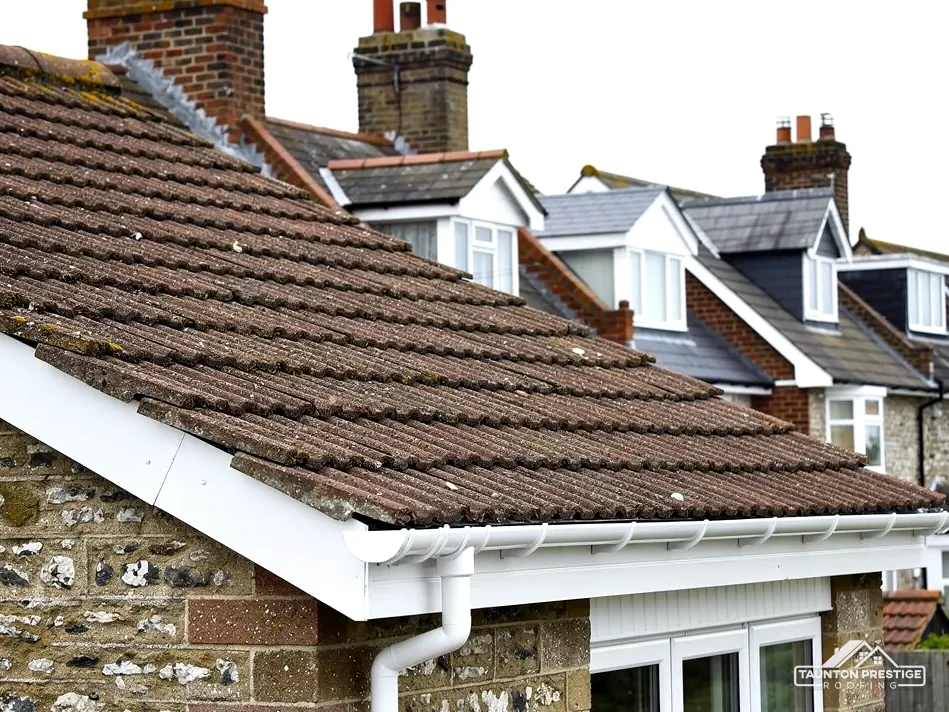
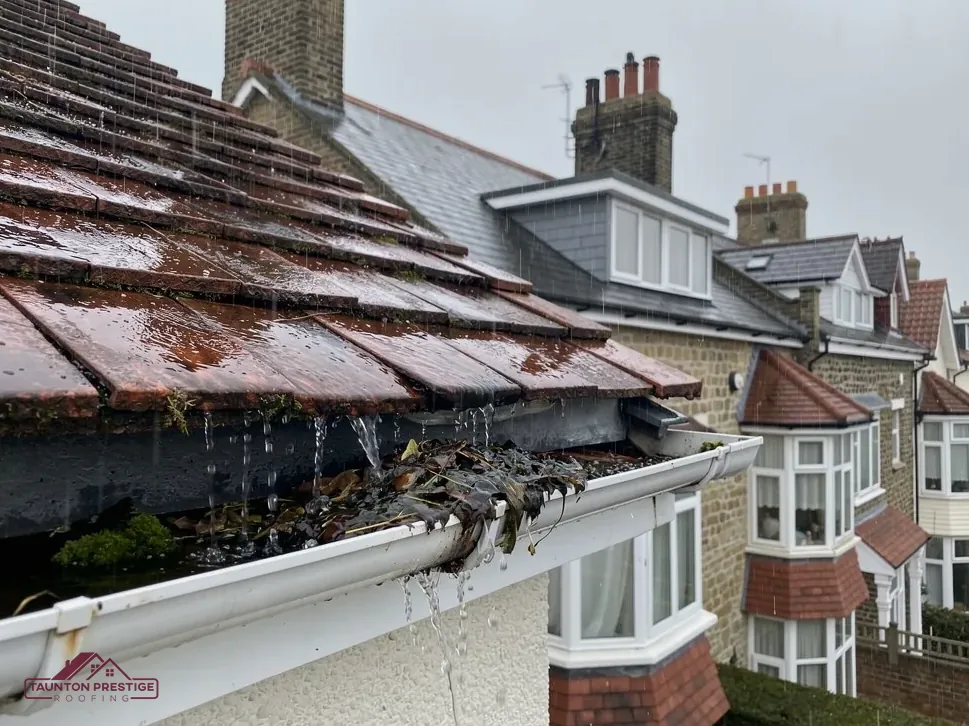
The village sits on the west bank of the Parrett and rises from the floodplain to the top of Cannington Hill, 80 metres high. On Environment Agency mapping, Flood Zone 3 comes within about 250 metres of the centre. That zone is a statement about ground, not buildings, so for a single address GOV.UK runs a long-term flood risk service. Neither tells you how your roof sheds water, which is what we look at. A roof's own contribution is the speed at which it carries rain off, and how far from the walls it sends it.
A flood map describes the land, but your gutters and downpipes decide where the roof's rain goes.
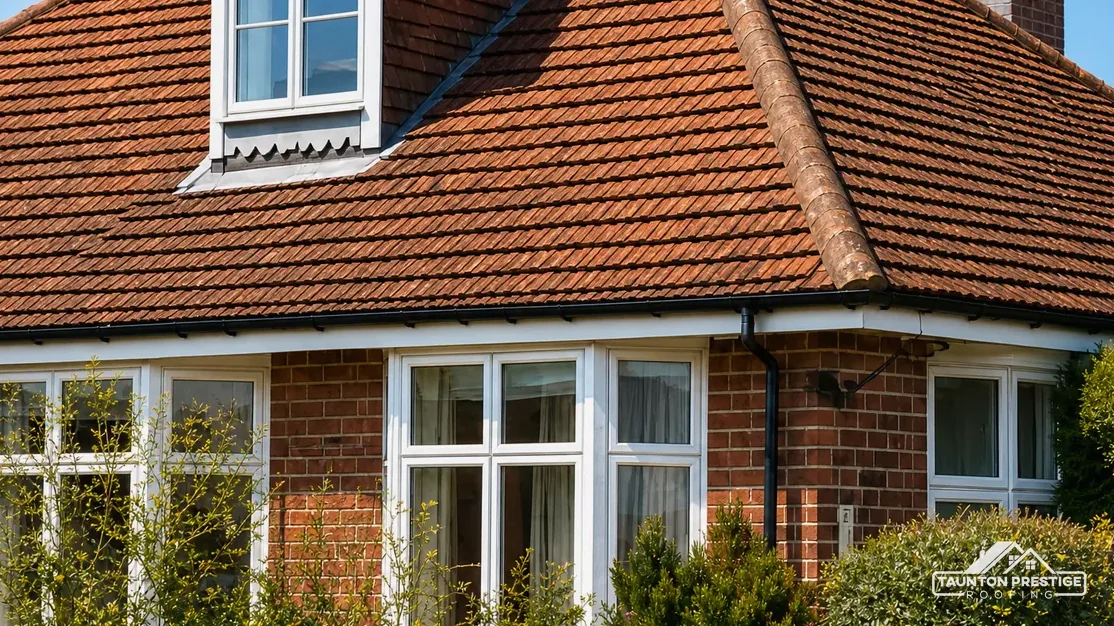
The usual causes are a choked outlet, a split joint, or a length that has dropped and lost its slope. Brett Martin advises 1mm of fall for each 600mm of run, so one dropped bracket can leave a pool standing in the channel. Gutters are screwed to the fascia, the timber board running along the eaves, and the soffit is the board that closes the gap underneath. A season of overflow soaks that timber until the brackets stop biting. Our gutters, soffits and fascias page lays out the repair options.
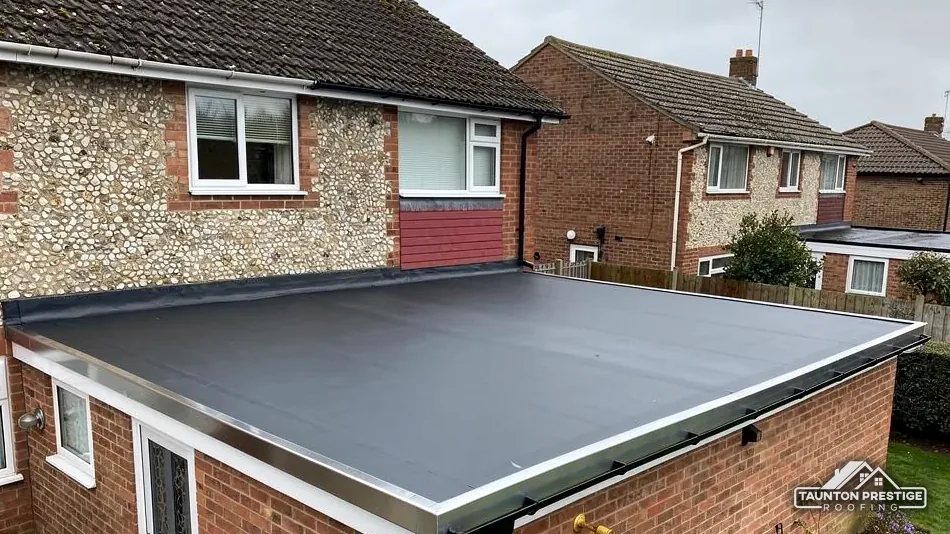
Not flat at all. BS 6229:2025 sets a minimum finished fall of 1:80, and IKO advises designing for 1:40 so the built roof still drains. On a garage or rear extension, puddles that linger a day after rain point to a lost fall or a blocked outlet. EPDM is a rubber membrane laid in a single sheet, and its life is put at 20 to 30 years by GreenSpec and 30 to 50 by Less, so sources disagree. A roof with a slope of 10 degrees or less falls under BS 6229:2025. See flat roofing for the choices, and ask us to photograph the ponding.
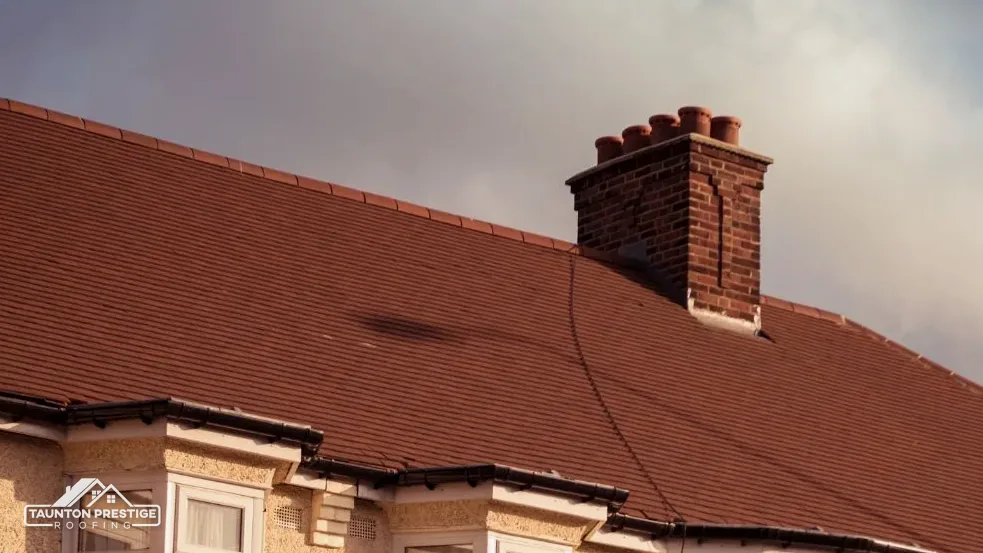
Quarrying for building and road stone on Cannington Hill began in the late 18th century. The Victoria County History noted in 1992 that the centre's buildings, beyond the church, the Court and the almshouses, dated from the late 18th or 19th century and were built in brick or local stone. Houses of that age tend to wear their chimneys proudly, and a stack stands above the ridge in the full weather with nothing to shelter it. Rain, frost and wind all work on it from every side, which is why stacks wear faster than the walls beneath.
What decides the price
Look for
Four things, usually in this order. Mortar washes out from between the bricks or stones. The flaunching, the sloped bed of mortar that sets the pots into the top, cracks and lets water down the flue. Lead flashing, which seals the stack to the roof, lifts or splits. Last, the top courses, soaked for decades, begin to crumble. MyJobQuote prices chimney repointing at between £450 and £1,200 (Oct 2026), and chimney leadwork from £150 to £250 for a patch to £350 to £920 for a full job, with scaffold making the difference. Lead flashing can last for over 80 years, so when it fails far sooner we look for the reason before renewing it.
When the masonry itself has moved: leaning, bulging or open at the joints through several courses. On a listed house, taking down or rebuilding a stack could change its character and need consent, and the Planning Portal says Building Regulations approval will always apply when an indoor chimney breast is taken out, as it is part of the structure. Our chimney repairs page works through each case, and the survey tells you which one you have.
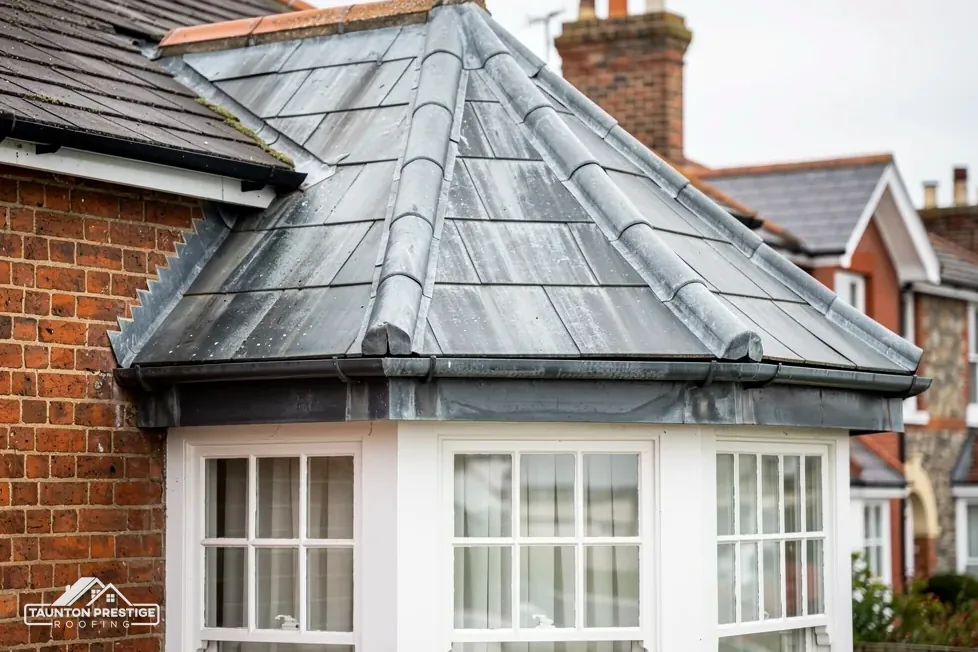
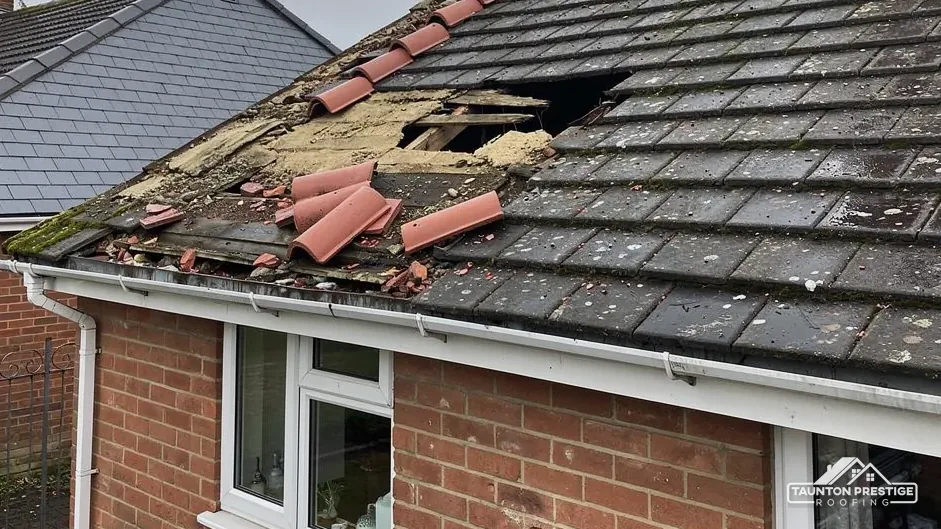
Old stone and brick houses, barns and outbuildings give birds and bats plenty of places to settle, and a repair that blocks a gap or lifts a ridge can catch them out. A nest with eggs or chicks, or one still being built, is protected: section 1 of the Wildlife and Countryside Act 1981 makes it an offence to intentionally damage or destroy it. GOV.UK adds that no licence can be had just to let building work go ahead. At the survey we look for signs of active nests and plan the start date around them.
What decides the price
They can. Re-roofing is one of the jobs GOV.UK names as capable of affecting bats, and it says each bat species has full legal protection, including its breeding sites and resting places. Under section 9(4) of the 1981 Act it is an offence to intentionally or recklessly disturb a bat somewhere it shelters, or to block its way in. Regulation 43 of the Habitats Regulations 2017 goes further, making harm to a roost an offence even without intent. If we find droppings in the loft or see bats at dusk, work stops until the right advice has been taken.
Note when and where you have seen birds going in and out of the eaves, and leave eaves and gaps exactly as they are. Do not block a hole to be tidy, and do not clear a dusty roof space before we have looked. Our photographs record what is there, which also helps if a specialist has to be consulted, and sometimes the answer is simply to wait a few weeks before the repair goes ahead.
One total in writing comes after the visit, and the first step is yours: tell us which roof worries you and when you last saw wildlife using it.
Walked the roof?
When you have read the checks, we walk the roof and show you the photos.
Not through listing alone, because a listing applies to its own building. A neighbour's grade can still shape how Somerset Council views a visible change inside the conservation area, so a roof beside it is worth raising with the planning team first. Matching the existing covering is the quickest way through.
You can ask, and the planning team decides. Laying matching material as before is repair; a different colour, profile or ridge style changes how the street looks and may need an application. Check with Somerset Council before ordering anything. Our survey notes what the roof wears now, so you can show exactly what would change.
Use the long-term flood risk checker on GOV.UK with your address. The Environment Agency map places Flood Zone 3 within about 250 metres of the village centre, but it describes the land, not a single house. A roofer cannot change a zone, though sound gutters and downpipes get rain away from the walls.
Often, since a stack stands above the ridge and is awkward to reach safely. We choose between a tower and scaffold at the survey. If scaffold has to go on the public road or pavement, Somerset Council licenses accredited contractors, and we agree the licence with the scaffolder. Access is one of the things that moves the price.
Tell us which roof or stack concerns you and whether the house is listed, and we will book the survey.