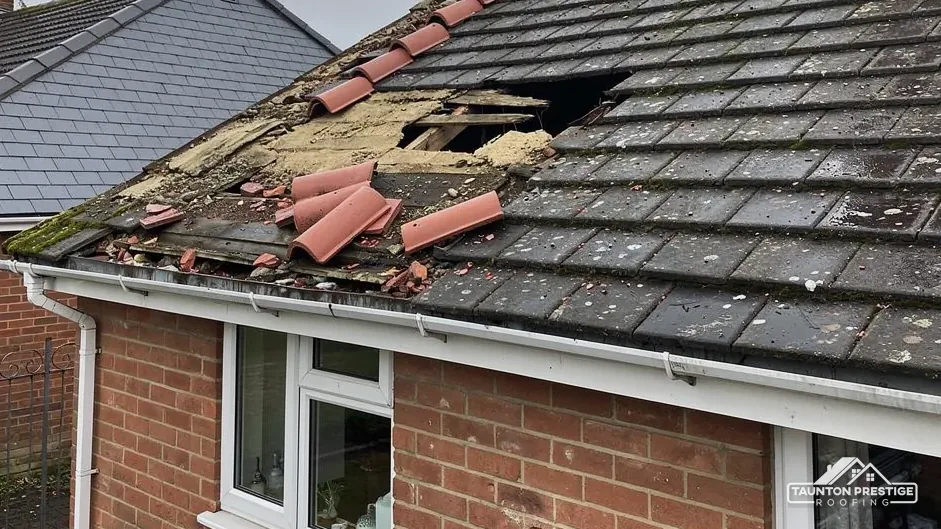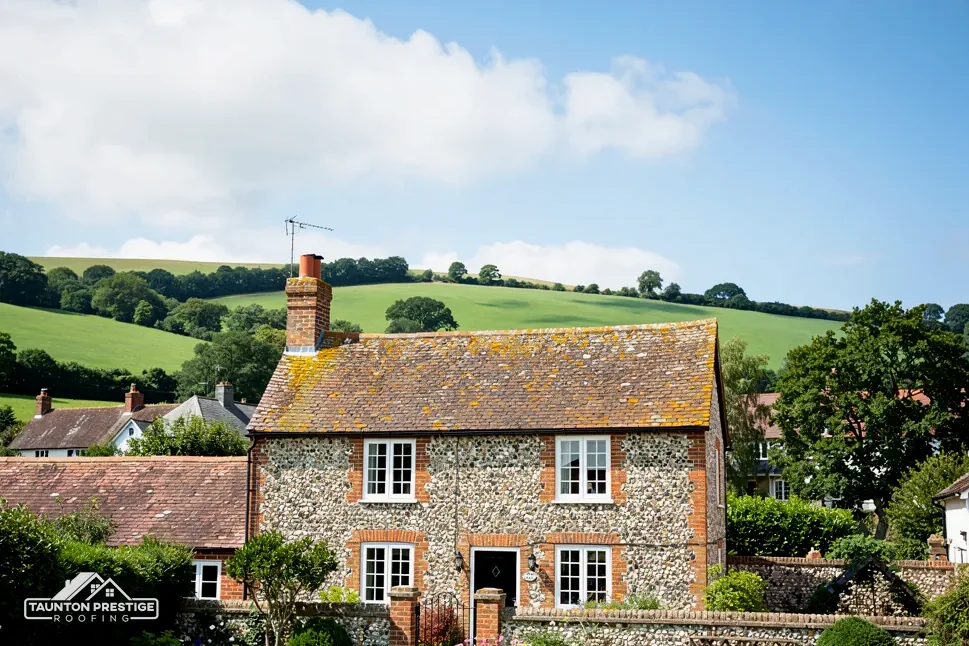
A West Buckland parish hamlet
Hockholler lies within a civil parish that counted 1,136 usual residents at the 2021 Census.
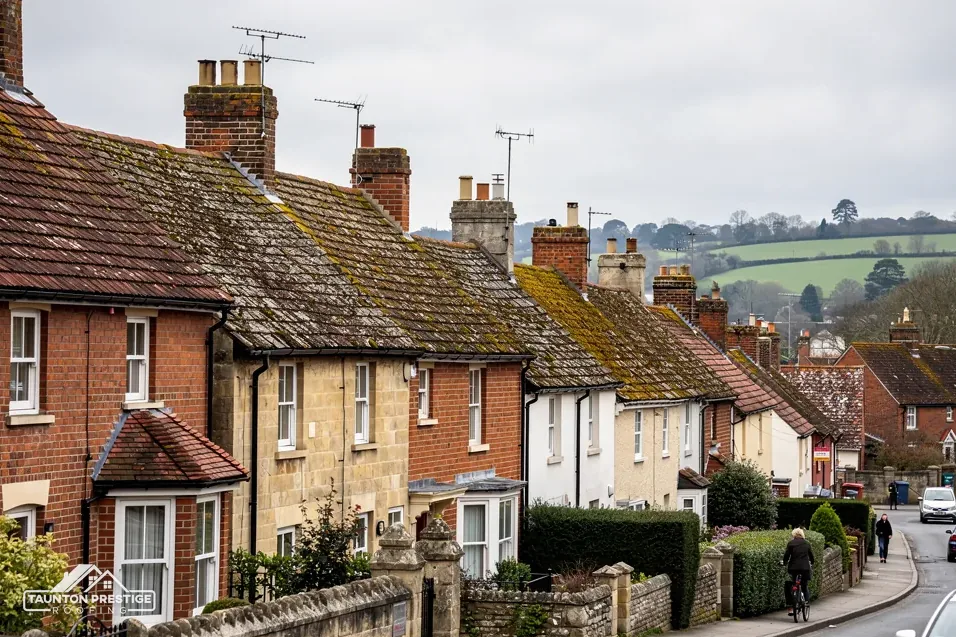
A hamlet in West Buckland parish with wet ground and open eaves
Hockholler lies in the parish of West Buckland, with parts of the land around its centre in Flood Zone 3. We survey each roof before pricing it.
Hockholler lies within a civil parish that counted 1,136 usual residents at the 2021 Census.
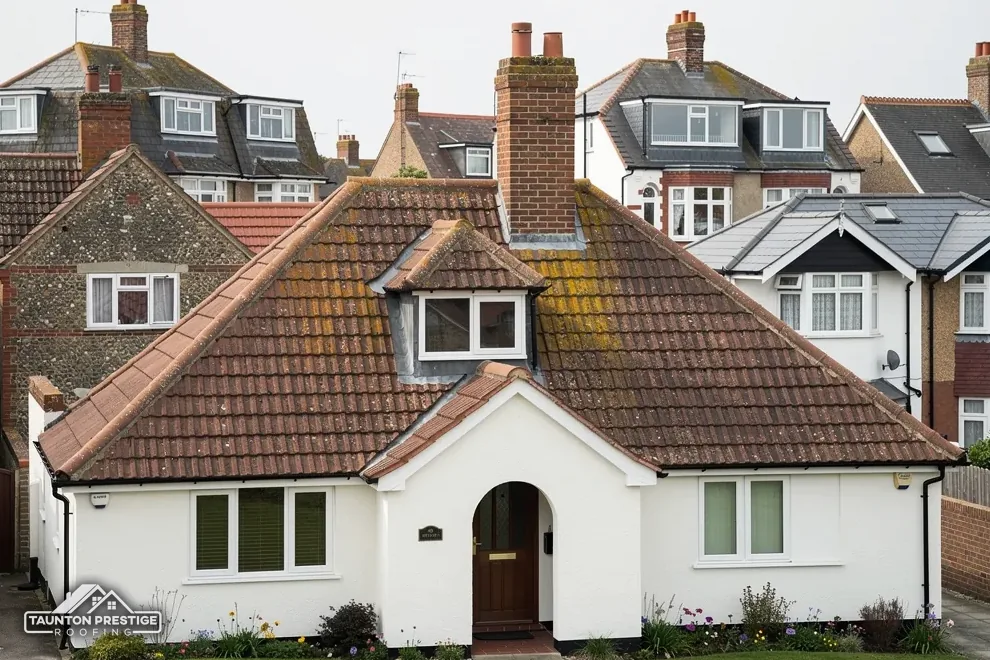
Parts of the ground within about 250 metres of the centre sit in the Environment Agency's Flood Zone 3.
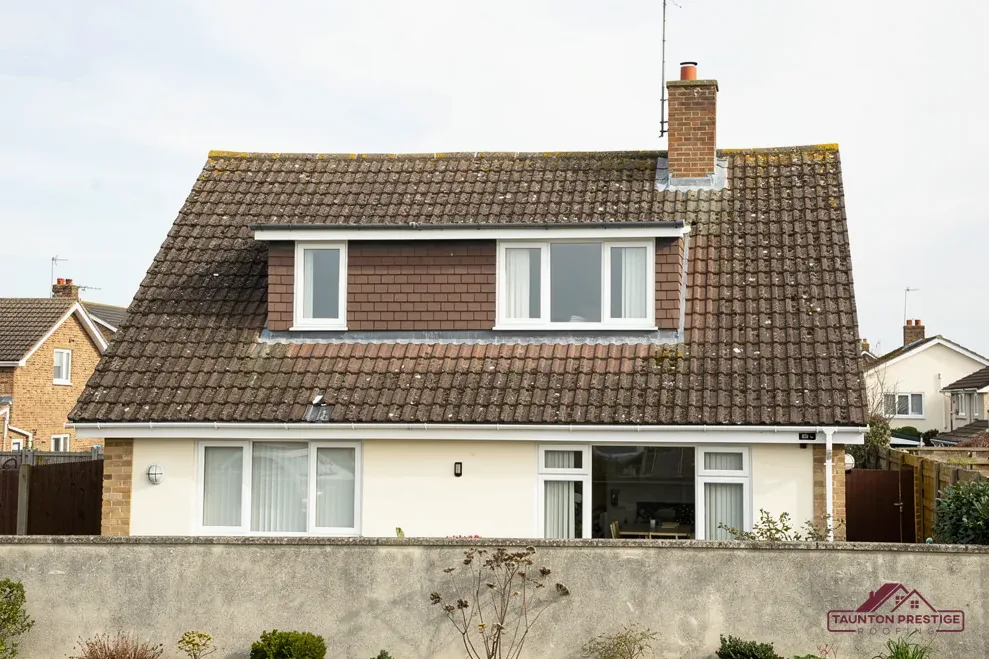
The National Heritage List shows no entries within 500 metres, so talk starts with the covering itself.
Street map of Hockholler with West Buckland, Bradford on Tone, East Nynehead, Wellington marked around it, and Taunton.
West Buckland lies south-east of Hockholler and Bradford on Tone to the north, with East Nynehead to the north-west, Wellington a short way west, and Blackmoor lies south of Hockholler.
About 4 miles south-west of Taunton, Somerset Council (unitary).
Roof check on low ground
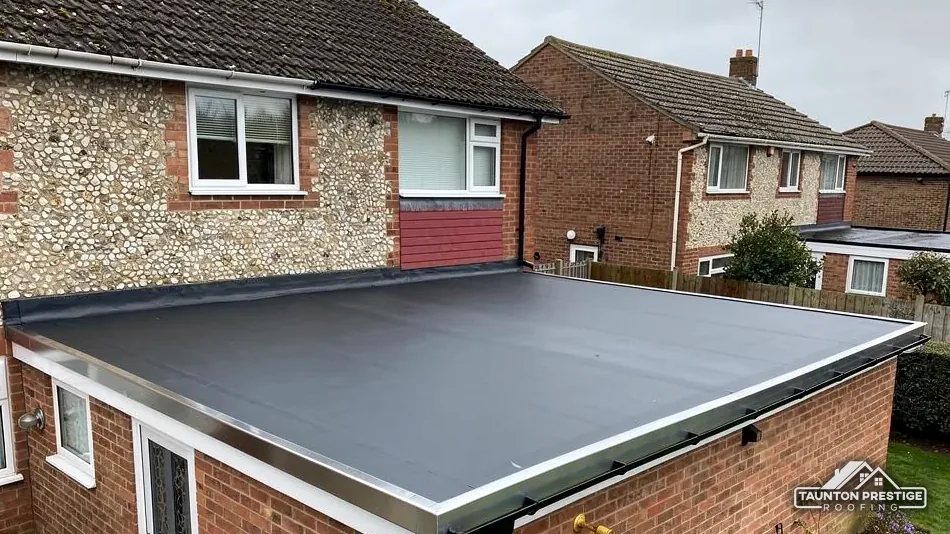
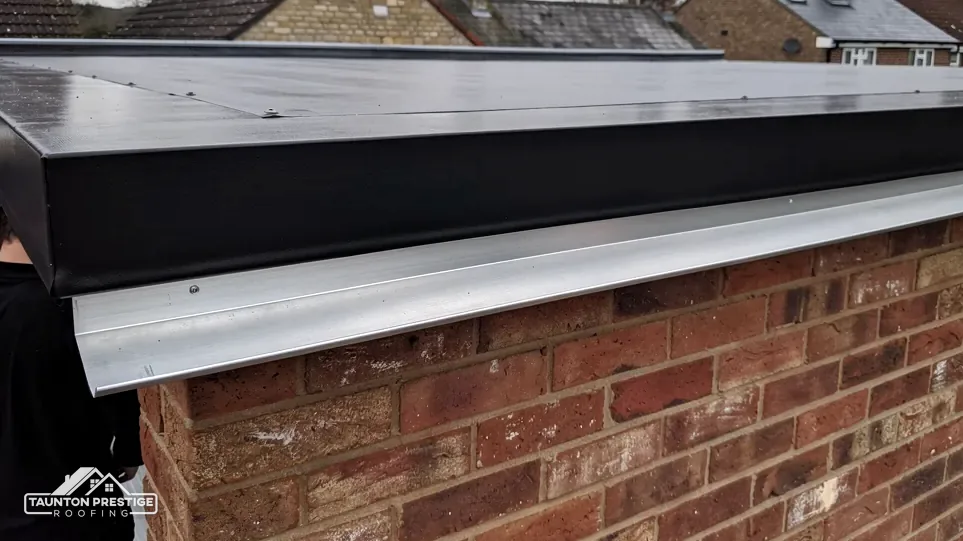
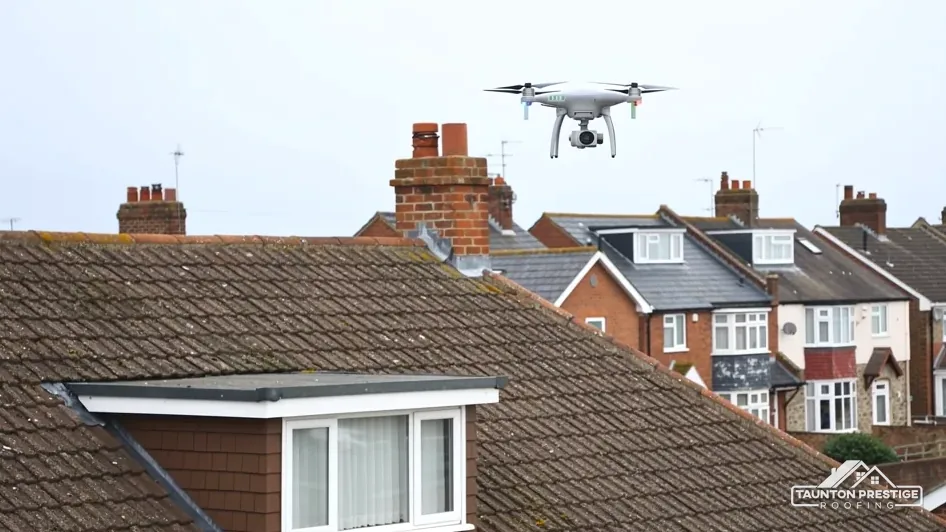
Four stops on a walk round a hamlet house or outbuilding, and how each one can alter the repair and the price.
In the national dataset the nearest conservation areas to Hockholler are Bradford-on-Tone and Wellington, both within about 2.5 km of the centre. Distances are a guide only, so your own address is still worth checking with the council. A roof job in a designated area needs more care over the covering, and a roof job outside one has more freedom, so the answer decides what we price.
Only if your house is inside the line. Being a mile or two away carries no restriction by itself. What does travel is a general habit: matching the covering you already have is the simplest answer almost anywhere, and a house near an old town is no worse for it. Replacing tiles with tiles of the same size and colour keeps a roof looking right, and avoids questions later.
Somerset Council lists Article 4 directions for Wellington, dated 1977, and for Ford Street, Wellington, dated 1983. Somerset Council's planners can explain what each one covers. The point for a Hockholler owner is that a direction in one place says nothing about another, so put your own address to them if you plan a visible change.
If you are unsure which side of a line you sit on, send us the postcode. We check the boundary data, record the answer on the survey and tell you before the price is agreed. The same check covers listing: the National Heritage List has no entries within 500 metres of the centre, but a barn or cottage a little further out may have one, and we look it up rather than assume. Knowing both answers early keeps the written price honest and the start date realistic.
Look for
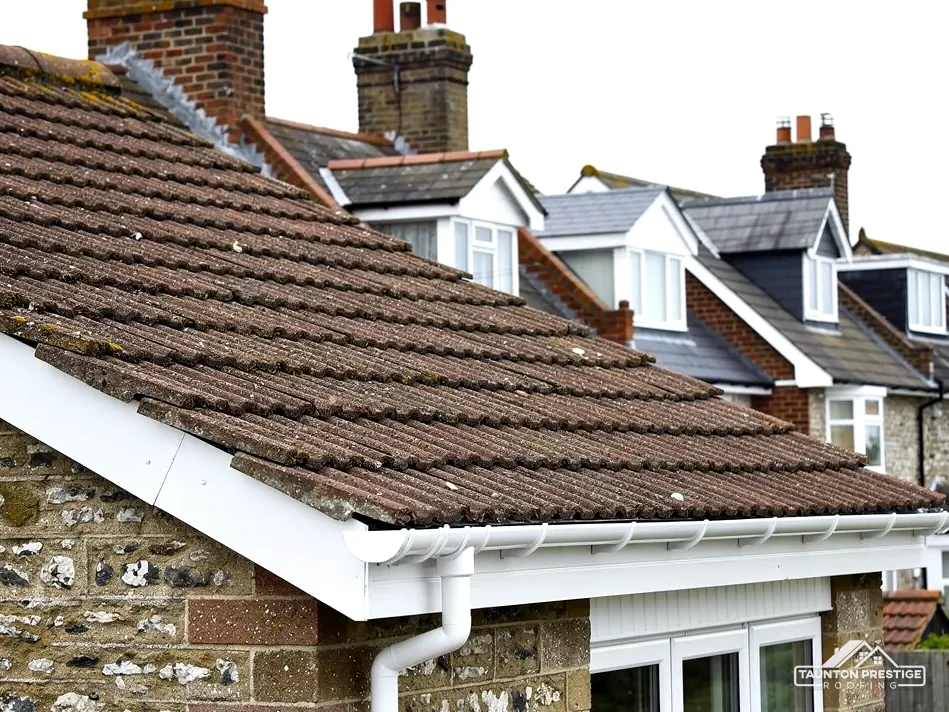
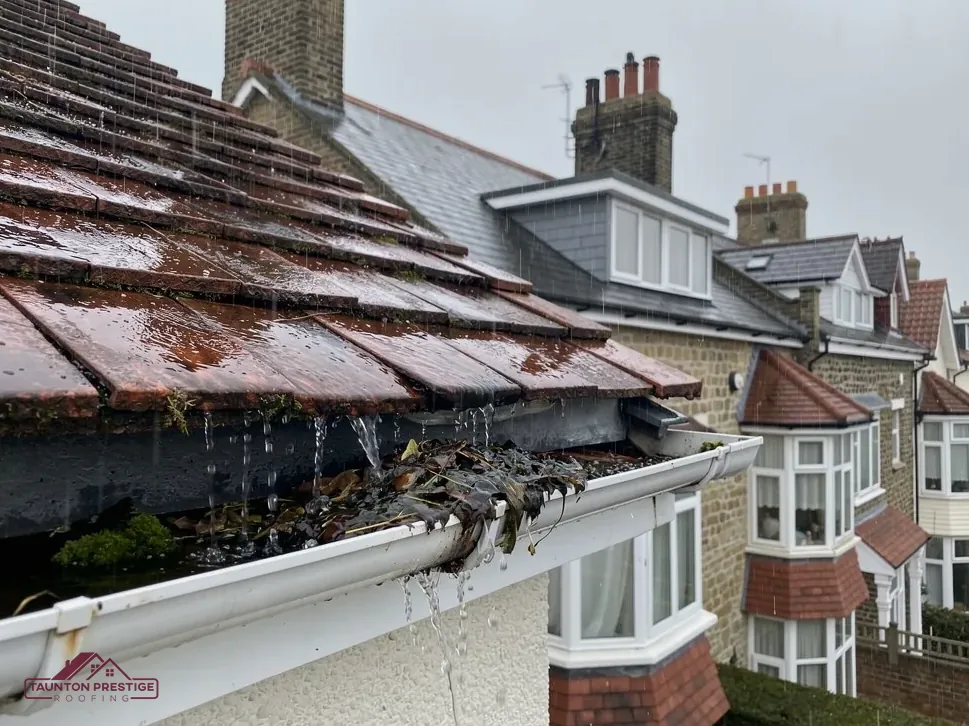
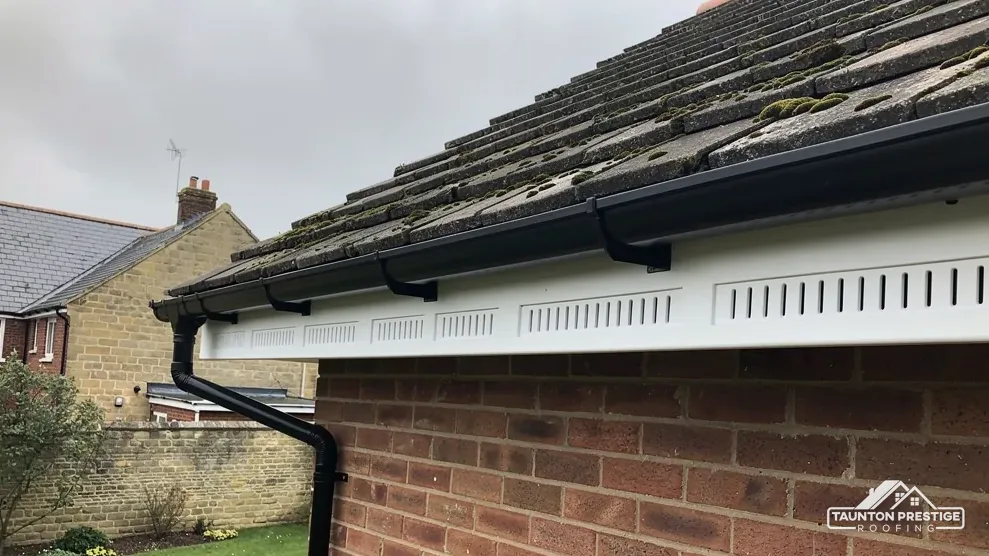
Roofline is the trade word for the edge details: the fascia, a long board on the rafter ends that holds the gutter brackets; the soffit, the panel tucked underneath that seals the underside of the overhang; and the bargeboard that trims a gable end. It is the part of a house you see first, and it fails quietly. Water that spills from a bad gutter wets the board for months before the paint blisters, and by then the rafter ends behind may be damp too.
What decides the price
A uPVC supplier suggests between 20 and 40 years, though a retailer has a stake in that figure. The sensible way to judge is by condition. A board that has bowed, split or pulled away from the rafters is finished, whatever its age, and a gutter bolted to it will go the same way. Our gutters, soffits and fascias page covers the choices of material.
Possibly. HSE records asbestos insulating board (AIB) in external soffits, and notes that it can look just like a non-asbestos board. A building from before 2000 is treated as one that may contain it. Taking down AIB soffits is frequently licensed work, depending on how HSE's risk assessment rules apply, so we check before touching a board. We stop and arrange a sample before cutting, drilling or lifting a board that might be AIB.
A soffit is also the way into a loft for birds and wasps, so we look at the gaps as well as the boards. Where a bird has got in, or a wasp nest has formed, we deal with the entry point as part of the roofline repair, and we plan around any nest that is in use. Replacing a board with the gap still open only invites the same visitors back, so the survey photos include the corners and the joints behind the gutter.
Parts of the land within about 250 metres of the centre of Hockholler lie in Flood Zone 3 on the Environment Agency's planning map. That map describes land, not a particular roof, and your address is best checked on GOV.UK's flood risk service. For a roofer, the more useful point is that damp in a house on low ground does not always come from above. Rising damp, a blocked drain and a failed gutter can all look like a roof leak.
A damp ceiling on low ground has more than one possible source, and we check them all.
Start with timing. A stain that grows during rain and fades afterwards points at the roof or the gutters. A stain at the foot of a wall that stays after dry spells points at the ground or a drain. A patch on a ceiling below a bathroom is likely to be plumbing. None of this is certain from the ground, which is why we look at the roof, the gutters and the drain outlets in one visit and photograph each.
Away from the walls. A downpipe that empties at the foot of the house, or into a gully that cannot take it, hands the water back. Our pitched roofing page covers the roof side of the question, while the gutters page covers the rest. Where land is wet, a few extra minutes spent tracing an outlet is cheap compared with chasing damp for a winter. If the cause turns out to be a drain or a damp-proof fault, we tell you and leave the roof alone, because a roof repair will not cure a problem that starts in the ground. You still get the photos, and they help whoever you call next. A damp-proof specialist or a drainage firm will want to see how the water travels, and a record of dry gutters and sound slopes saves them time.
Planning applications in Hockholler go to Somerset Council, the county's single principal authority since 1 April 2023. The district council it succeeded was Somerset West and Taunton. If a roof job needs any council contact, that is the name to look for. Older web pages and printed leaflets still carry the old district's name, and a form sent to the wrong office loses weeks.
What decides the price
Somerset Building Control, on 0300 303 7790, answers for Hockholler. It has no re-roofing figure of its own to add to the Planning Portal's test, which is the one that applies. Under it, work affecting less than 25 per cent of the building envelope and less than half the roof normally goes ahead with no application, while a covering 15 per cent or more heavier needs approval. We read your roof against that test at the survey and say which side it falls. That conversation includes the covering you are thinking of: a heavier tile on an old roof needs the timbers looked at first, and sometimes the answer is to choose a lighter covering and avoid the application altogether.
If the frame must stand on the carriageway or pavement, a licence comes from the highway authority under the Highways Act 1980 section 169. Somerset Council grants those to accredited firms, and it is your appointed contractor who files the application, so ask about it when you compare quotes. A frame kept entirely within your own garden or drive needs no highway licence. Our page on the scaffold licence in Somerset sets out the process.
Send us your Hockholler address and the signs you have spotted, and we will arrange the survey, take photos of your roof and give one written price after it.
Walked the roof?
When you have read the checks, we walk the roof and show you the photos.
The map covers land, not roofs, but on low ground the route water takes after the gutter matters more. We trace each downpipe to a gully that can take it and note anything that backs up. Check your own address on GOV.UK's long-term flood risk service, because the zone at the hamlet centre may differ from yours.
No, closeness alone changes nothing. Wellington's conservation area lies within about 2.5 km, and the line, not the distance, decides. Somerset Council's Article 4 directions for Wellington apply to Wellington's own areas. Ask the planning team about your own address if you are altering how a roof looks, and send a photo of the slope with the question.
You cannot tell by eye, because HSE says AIB is hard to distinguish from non-asbestos boards. Treat any building from before 2000 as one that may contain asbestos, and do not drill or cut it. We arrange a sample first, and because lifting AIB soffits is frequently licensed work, that is settled before any price is given.
Catch the water in a bucket, move belongings, and switch off lights on a wet ceiling. Take photos for your insurer and tell them first. A temporary cover to stop the water comes first on our visit, and the permanent repair follows a proper survey once the weather allows safe access.
Send us the address and what the ceiling or gutter is doing, and we will agree a visit.