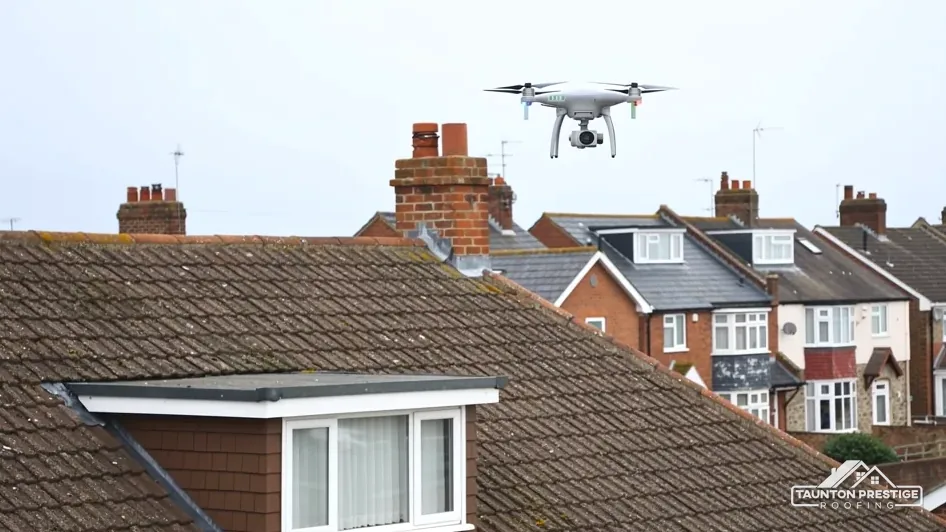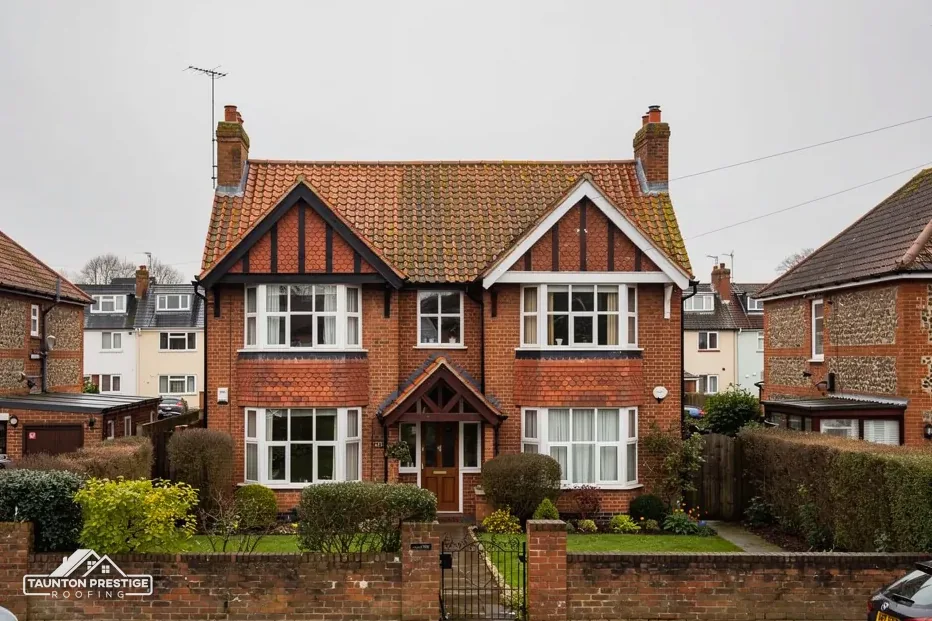
St Mary's, Grade I
First listed in February 1955; while an Anglican congregation uses it, repairs follow the faculty system.
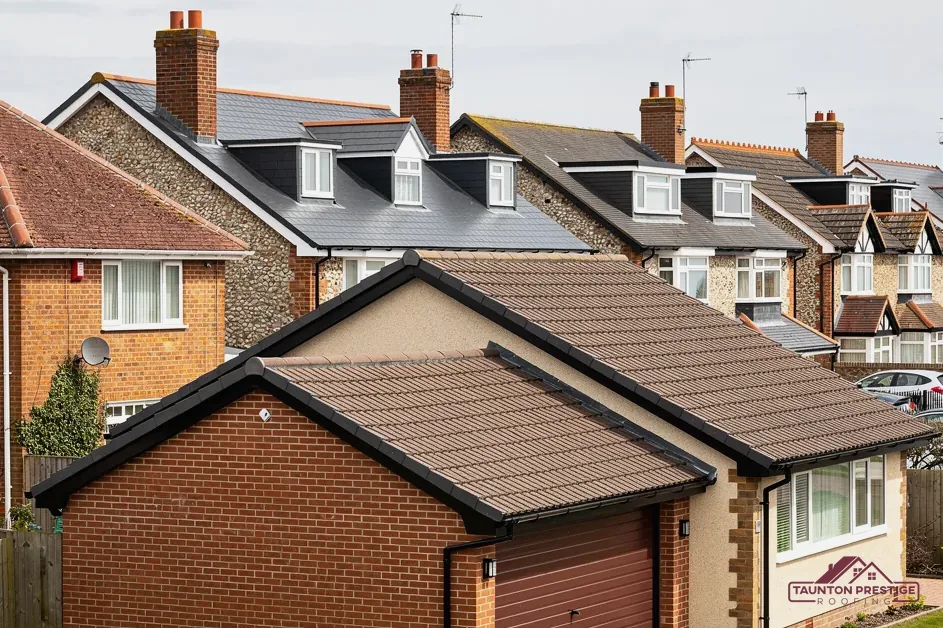
A Grade I church and 19 list entries near the centre
Payhembury has a Grade I church and 19 listed buildings or other entries within 500 m of its centre. You get a survey first and a figure afterwards.
First listed in February 1955; while an Anglican congregation uses it, repairs follow the faculty system.
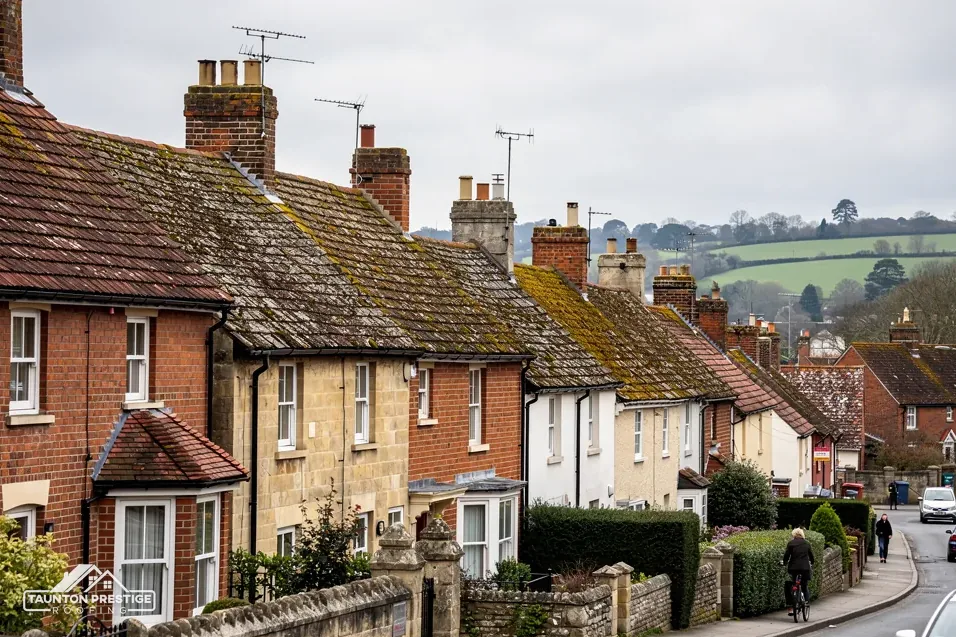
Listed Grade II in October 1988, a cottage where like-for-like repair is the starting point.
The National Heritage List has 19 listed buildings or other entries within 500 m of the village centre.
Street map of Payhembury with Feniton, Broadhembury, Gittisham, Whimple marked around it, and Taunton.
Honiton lies to the east and Ottery St Mary to the south, with Whimple to the south-west, Feniton just south, Broadhembury just north and Kentisbeare further north.
About 16 miles south-west of Taunton, East Devon District Council and Devon County Council.
Four checks in a Devon village
Four checks for a village house, and how each answer decides between a repair, a renewal and the route to approval.
Payhembury is a small village with a lot of protected buildings. Historic England's list records 19 listed buildings or other entries within 500 m of its centre, among them St Mary's church at Grade I and Appletree Cottage at Grade II. With that many entries packed into a small area, your own house may be listed itself, or may stand beside a listed neighbour. Finding out takes a few minutes and saves a great deal of trouble later on, so it is the first thing we do.
Type your address into the Historic England search. An entry shows the date the building was first listed, with a description of it. If nothing turns up, East Devon District Council, as the planning authority, can confirm the position for you. Listing does not freeze a house in time, but works that affect its character need listed building consent alongside any planning permission.
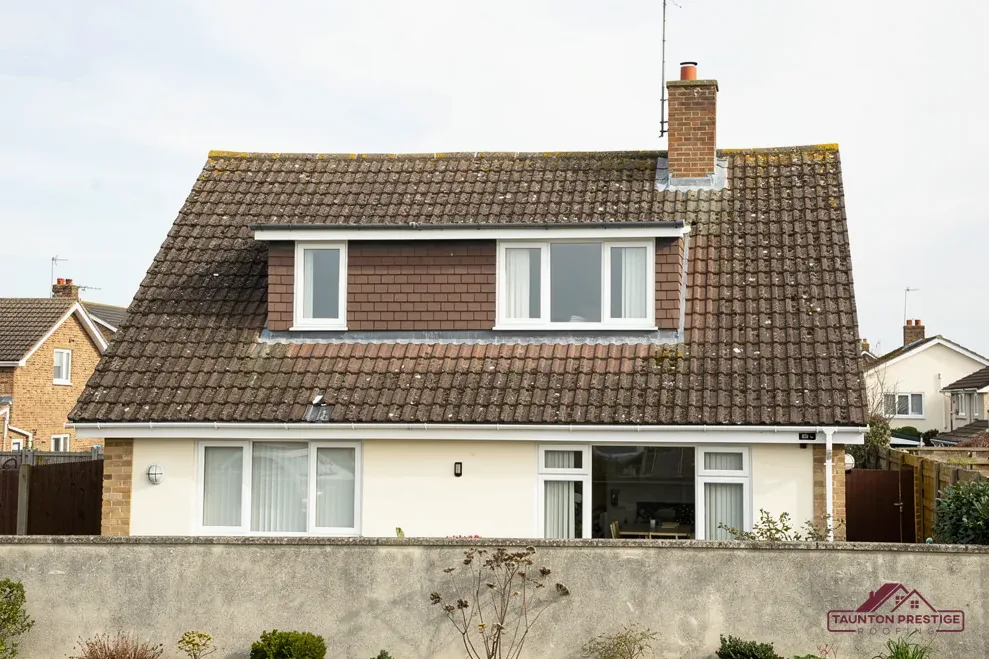
Re-laying a slope in matching material, to the same pattern, is generally a repair. A different kind of covering, an altered ridge or a rebuilt chimney is another class of work altogether. Our guide to planning permission for roof work sets out the planning side that runs alongside listing.
If St Mary's is an Anglican church in use, a faculty is needed, and the parish makes the request. For a house, the survey notes the covering slope by slope, so an application can describe what is actually there. The council then sees the roof as it stands, not a recollection of it. Keep any written reply with your papers, because it is the evidence that the right door was knocked on, and a buyer's solicitor may well ask for it.
Look for
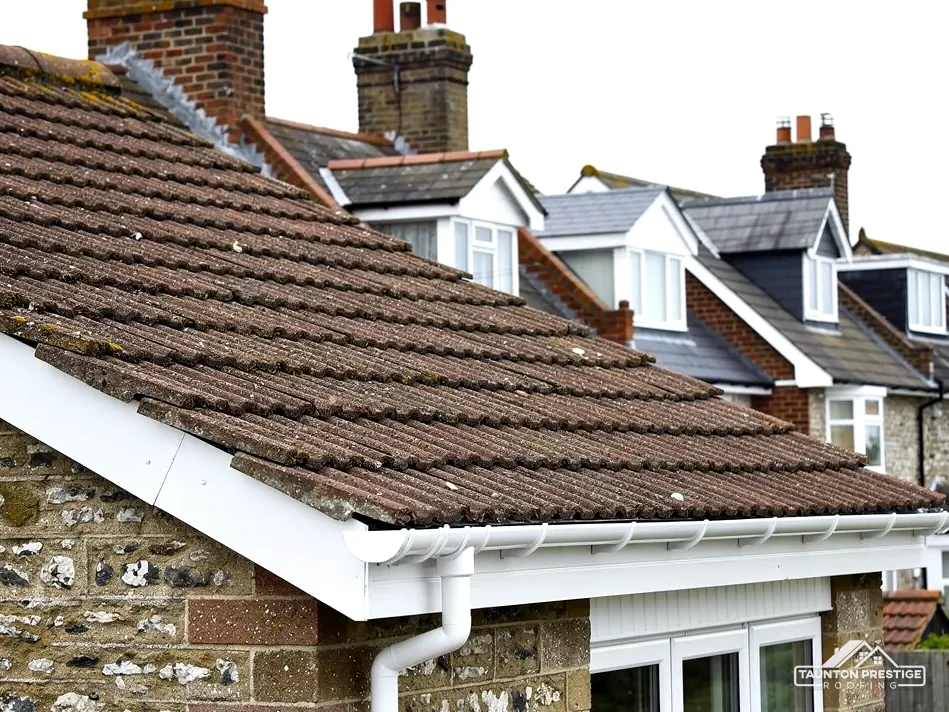
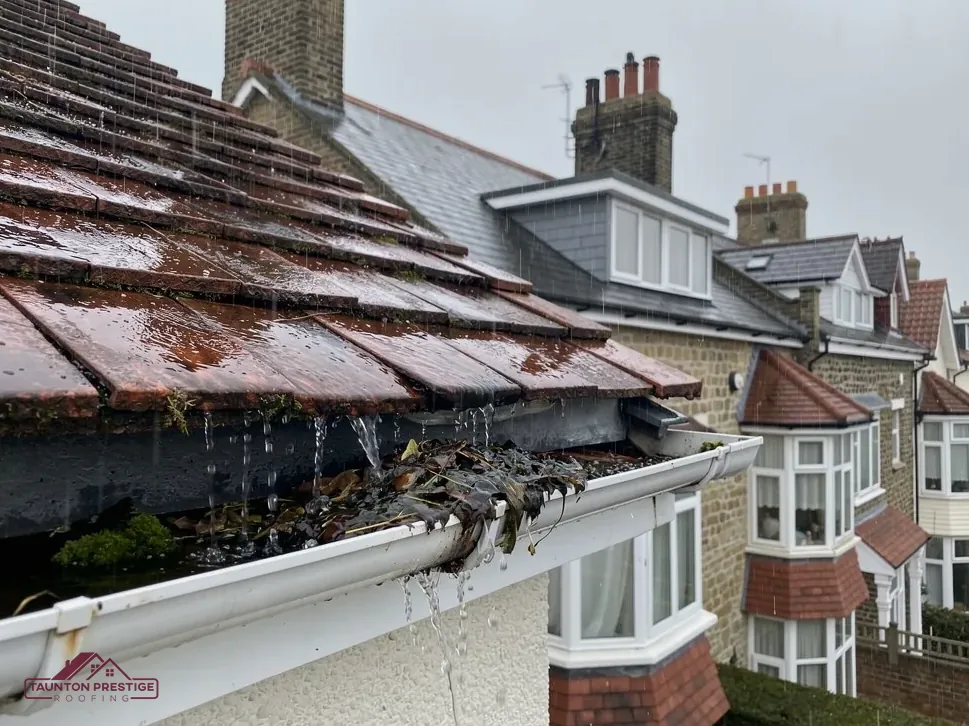
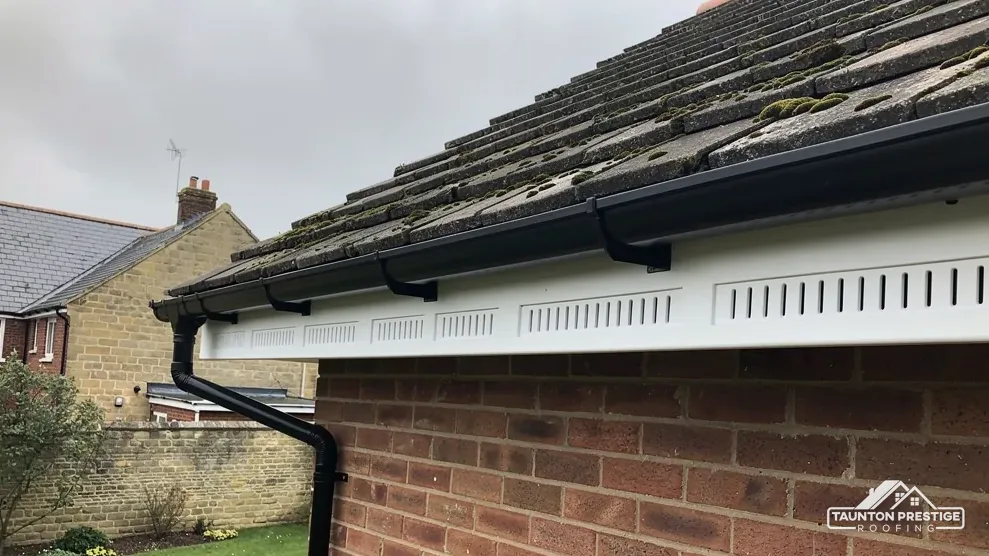
Old village roofs have gaps at the eaves, under ridge tiles and behind fascia boards, and wildlife finds them. The eaves, where the roof overhangs the wall, are the first place to look. Before a roof is stripped or re-fixed, we look at those places for birds and bats. This is a matter of law and not only of good manners, and the wording of the law is precise, so it is worth setting out here.
What decides the price
Yes, while it is occupied. Section 1 of the Wildlife and Countryside Act 1981 says that intentionally damaging a wild bird's nest, from the time the bird starts building it until it is done using it, is an offence. GOV.UK says its bird licences cannot be issued for building or development work, so the answer is to wait for the nest to finish. A nest that has been abandoned can be cleared, though we check before assuming that it has.
Bats are protected in a different way. Section 9(4) of the same Act catches anyone who disturbs one in its roost, or blocks its way in, when they do so intentionally or recklessly. Regulation 43 of the Habitats Regulations 2017 also catches damage to a breeding site or resting place with no intent needed. On GOV.UK, roof repair appears among the activities that may affect bats.
Signs of either mean work stops while a specialist is asked for advice. That may push the start back, and we explain why, with the reasons set out so you can pass them to your insurer, your lender or a buyer if you need to. Gutters and fascias are where much of this shows, so our gutters, soffits and fascias page is worth reading too.
A good repair costs less than a new roof, and it is the right answer when what lies underneath is sound. A replacement is the right answer when it is not. The survey is how we tell which you have, and what follows are national figures from third-party guides. They are typical UK ranges, never our prices, and they are a rough map and not a quote.
A repair is worth it while the roof under it is sound, and no longer.
MyJobQuote (Oct 2026) gives around £650 as the typical repair. Swapping five tiles falls between £150 and £200, and 10 to 20 tiles between £200 and £275. A ridge tile replacement is £225 to £550, and a full valley comes to about £540 (Sep 2026). An emergency call-out is quoted at £150 to £300, with storm repairs at £1,200 or more. Those figures rise with height, access and the amount of material needed, and a steep or awkward roof can move a job from one band to the next.
It depends on the underside. If the battens ring true and the underlay is whole, a repair buys years. If the timbers crumble when probed, you are paying for the same job twice. The loft tells us a lot, and we look there before we climb out onto the slope.
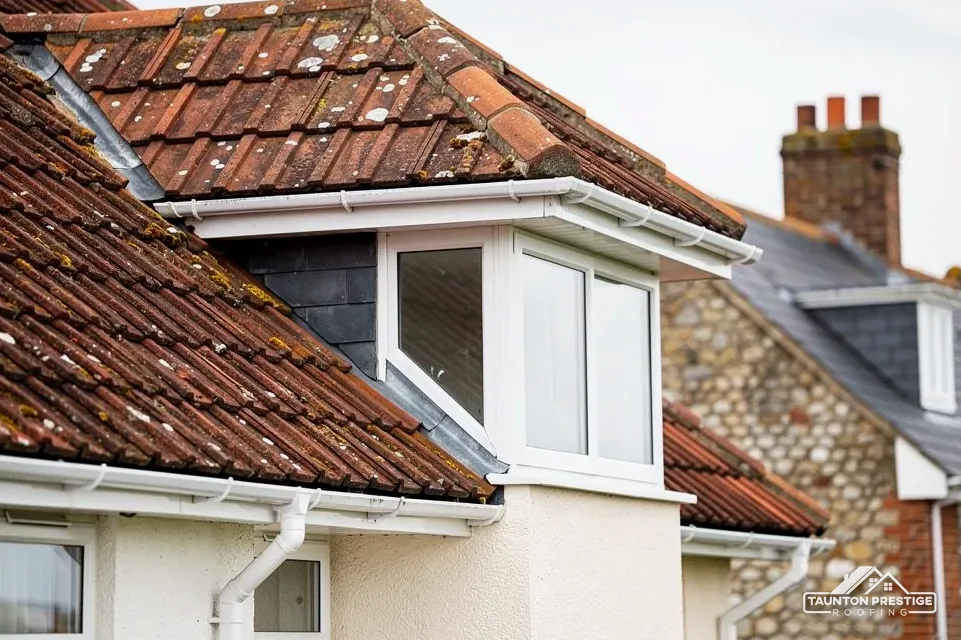
When tiles keep slipping because the battens have rotted, when the underlay has perished, or when a slope has been patched so often that the next patch costs more than it saves. MyJobQuote puts a full re-tile of 80 m2 at £3,000 to £8,000, while HomeBuilding (Sep 2025) quotes a three-bed semi of 65 m2 in plain concrete tiles at £10,000 to £15,000, including labour, scaffolding and insulation. Those sources disagree sharply, which is why the survey figure matters more than either average.
Our roof replacement page explains what a full renewal involves, from stripping the old covering to the final ridge.
Scaffold standing on the carriageway or footway requires a highway licence, a requirement set by section 169 of the Highways Act 1980. In Payhembury that is Devon County Council, which expects the scaffolding company, not the householder, to make the application. The council asks for a minimum of 10 working days' notice. A licence costs £158 and is valid for the works dates, capped at 12 weeks. An extension or amendment is £100, and an emergency application with under 10 days' notice is £238. The council adds £103.95 if it makes a site visit. Scaffold on a garden or drive stands on private ground, so no highway licence arises there. A shared drive or access track can still need a neighbour's say-so, so we raise that early.
What decides the price
Section 308 of the 2024 Digital Markets, Competition and Consumers Act requires a trader to tell a dissatisfied consumer about any alternative dispute resolution arrangement on offer. The ADR Regulations 2015 were revoked on 6 April 2026, so the newer Act is the one to cite. For advice, the Citizens Advice consumer helpline is 0808 223 1133.
The Planning Portal sets two limits for a re-roof, 25 per cent of the building envelope and 50 per cent of the roof; stay below both and no application is normally due. A covering 15 per cent or more heavier needs Building Regulations approval, so ask your building control body early when you plan the job.
One written price follows the survey and covers the whole job. Write with your Payhembury address and the sign of trouble you have spotted, and we will suggest dates.
Walked the roof?
When you have read the checks, we walk the roof and show you the photos.
No. Each list entry covers the building it names, so a neighbour's listing does not pass to your house. What does change is that your roof is seen next to a protected one. Check the heritage list for your own address and, if there is no entry, ask East Devon District Council whether anything else applies.
On an unlisted house, a like-for-like covering raises the fewest questions, and a different one should be put to East Devon District Council's planning team first. Where the house is listed, swapping to a different material usually needs listed building consent. We describe the existing covering at the survey so that the question can be put clearly.
Possibly. The law protects a wild bird's nest in use, and no licence allows construction to override that. At the survey we check for active nests, and the start is planned for when the eaves are clear, even if that means waiting. The nest is the deciding factor, not our timetable or yours.
A survey on a sale can flag the roof, and a repair can answer it. Whether it is the better buy depends on what lies beneath. We tell you honestly if the covering is nearing the end, and you get the written price once the survey is done. Ask your solicitor what the buyer's surveyor has said before choosing.
Tell us where in Payhembury the roof is and what is wrong, and we will propose a date.