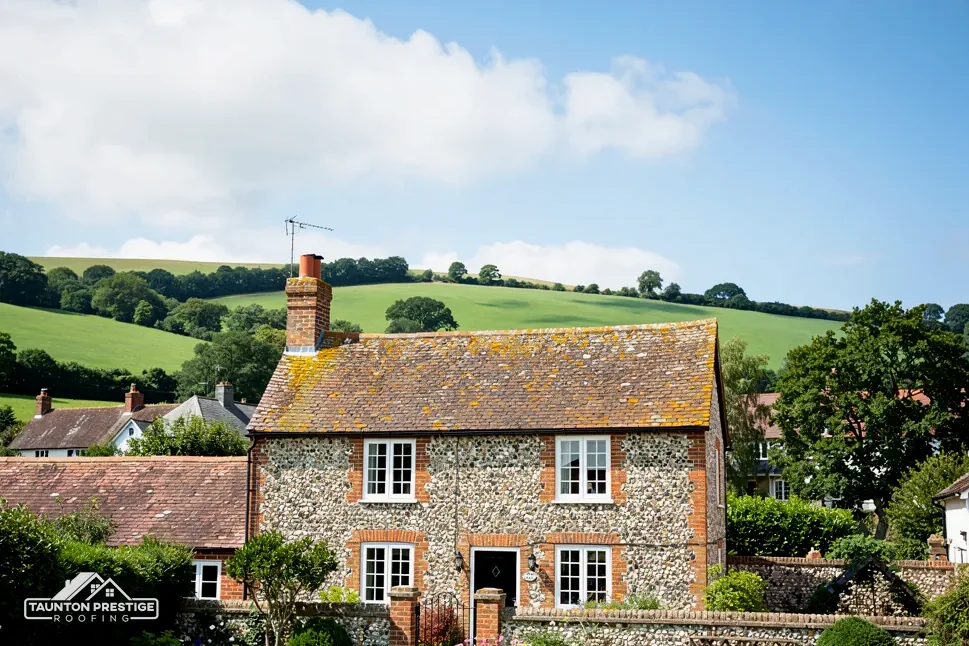
Maunsel House, Grade II*
On the list at Grade II* since 29 March 1963; by 1839 part of the parish had been taken into Maunsel park.
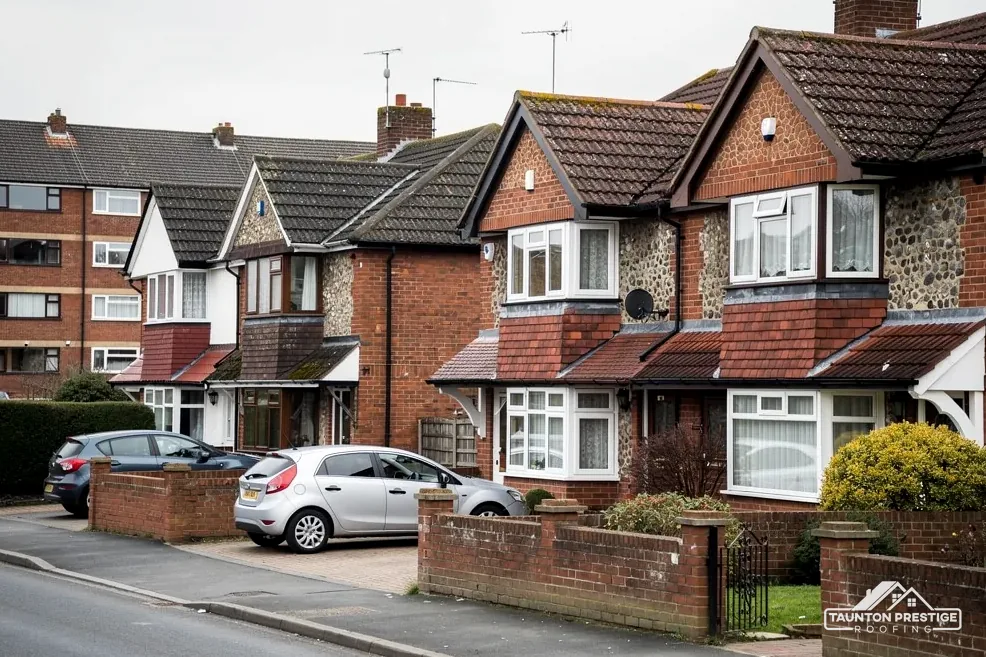
A 46-acre former parish beside the Maunsel House estate
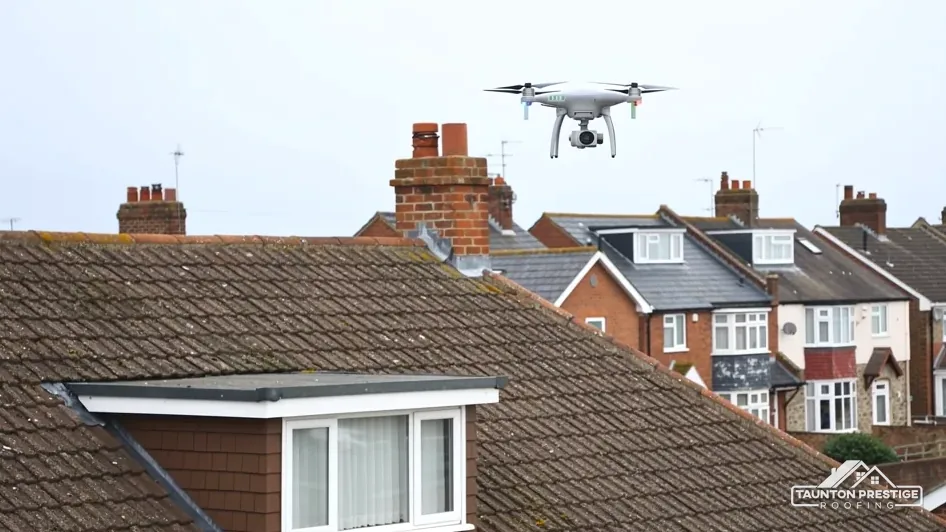
St Michael Church is a tiny former parish of 46 acres, with Maunsel House, Grade II*, close by. Roof work starts with a survey and photos.
On the list at Grade II* since 29 March 1963; by 1839 part of the parish had been taken into Maunsel park.
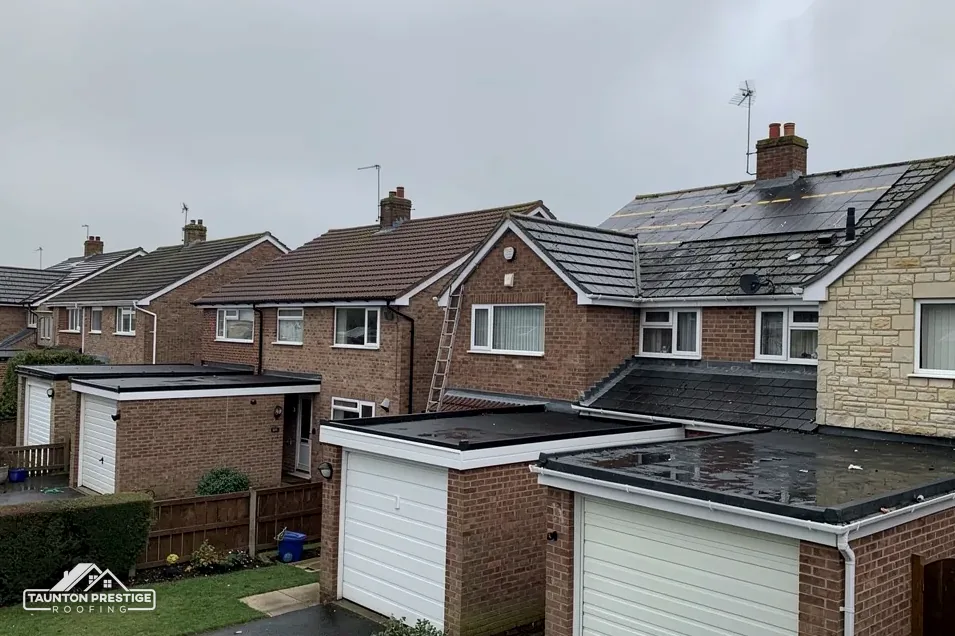
The lodge and the granary in the farmyard behind Maunsel House are both listed Grade II.
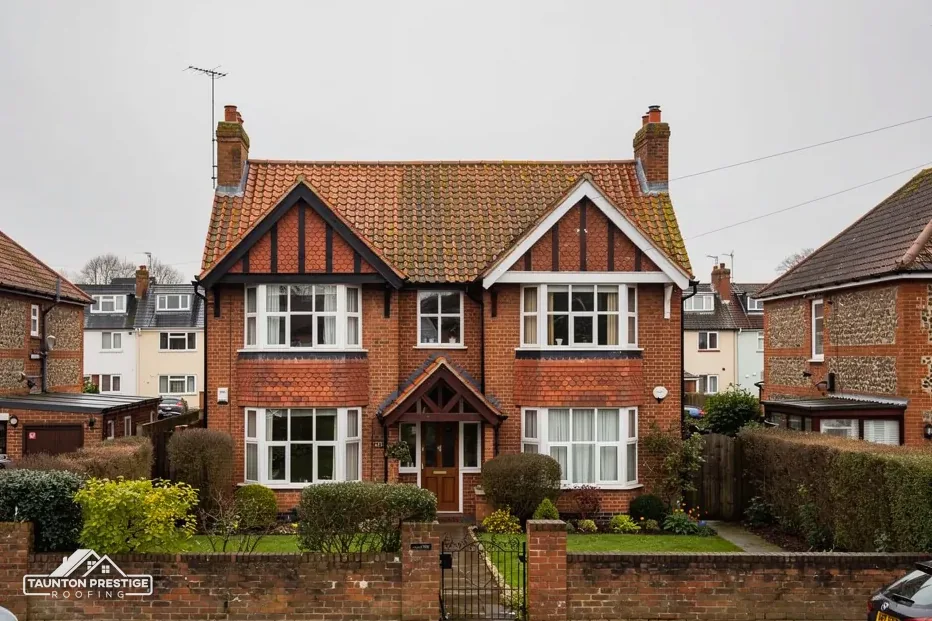
An enclave within North Petherton parish until 1933, with 14 or 15 old tenements recorded there in 1663.
Street map of St Michael Church with North Newton, West Lyng, Durston, Lyng marked around it, and Taunton.
North Newton lies north-west of St Michael Church, West Lyng south-east, Durston south-west and Lyng east, with Adsborough and Thurloxton further west.
About 6 miles north-east of Taunton, Somerset Council (unitary).
St Michael Church roof notes
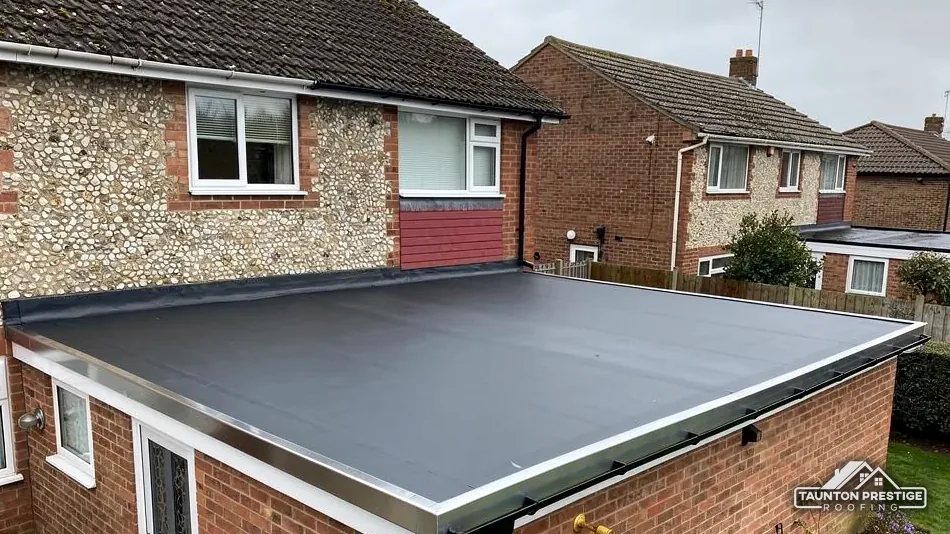
Which place you are in, the listed estate buildings, extension roofs, and comparing quotes on equal terms.
The name can mislead. St Michaelchurch, usually called Michaelchurch, was a parish of only 46 acres, forming an enclave in the southern part of North Petherton parish, and it was united with North Petherton for civil purposes in 1933. An address here therefore sits in a very small patch of ground with large neighbours on every side. The practical question is which authority and which boundary apply to your roof, and for roof work the answer is Somerset Council, which took over from the old district councils on 1 April 2023.
What decides the price
Planning, highways and building control all sit with Somerset Council now. Before 2023 a district council sat between you and the county, and Somerset Building Control now covers every one of the former districts. Its number is 0300 303 7790. If you want to know whether a job needs an application, that team and the planning team are the right people to ask, and we tell you at the survey which of them to ring.
Records show the settlement was thin. In 1663 there were said to be 14 or 15 ancient inhabited tenements besides cottages, and from the 18th century the scattered dwellings declined, with four demolished in the 1820s and 1830s. Today that means space between buildings, longer lanes for deliveries and few places for a skip, so we plan the siting of access, waste and materials at the survey, with a rough sketch of where everything would stand.
It also means a lot of what stands here has been altered, joined or re-roofed over the years, so our photos of the roof as it is now become the record that any later decision starts from.
Look for
Maunsel House holds a Grade II* listing from 29 March 1963, and it is not the only listed building on the estate. Dairy Mead Lodge to Maunsel House is Grade II, as is the granary in the farmyard at the rear. By 1839 part of this tiny parish had been taken into Maunsel park, so the estate's setting is part of the story of the ground you are standing on.
Look for
If the building is listed, work affecting what makes it special needs listed building consent from the council, whether it is a house, a lodge or a granary. Putting back what was there, in matching material and the same form, is the simplest case. Altering the covering, the ridge or the roof's shape is where you must ask first. Our page on planning permission for roof work explains how the wider rules fit together.
Not for planning. The rules for outbuildings differ from those for houses, so we ask the planning team early, even about a modest change, and we do not assume anything from how a building looks. If a barn or granary is being turned into a home, its roof has to meet the Building Regulations that apply to dwellings, which can bring insulation, ventilation and fire questions with it.
On an estate building we note the covering, how it is held on and the timbers as separate items, so consent officers can judge each part of the roof on its own terms. Old estate roofs were often repaired piecemeal, with one slope re-covered in one decade and its neighbour in another, so the photographs also show where different materials meet and which junctions have been patched before.
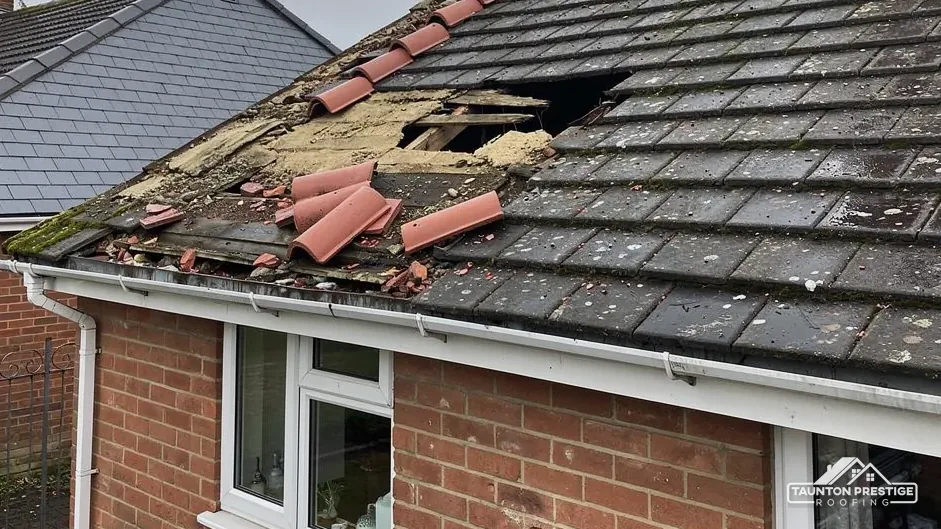
Usually smaller than people fear. A run of slipped tiles can be re-fixed, a failed flashing can be replaced in matching lead, and a leaking valley can be re-lined without stripping the slopes on either side. Our pitched roofing page sets out when patching wins and when re-covering does, and we tell you straight when mending makes more sense than replacing.
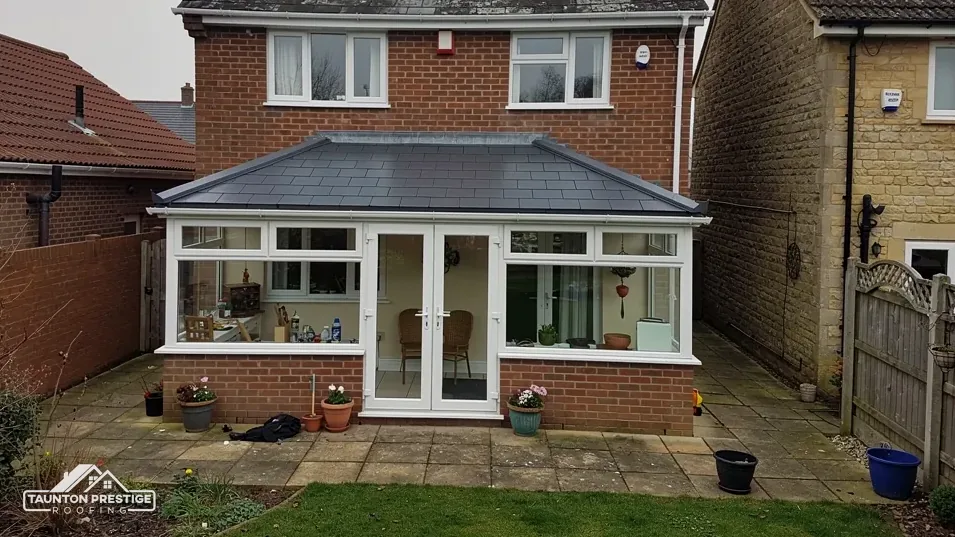
A roof added to the back of a house is often the oldest weak spot on the building, because its materials were chosen for cost or for light, and not for decades of weather. Many are polycarbonate or glass, and some have been re-roofed once already. Replacing the roof on a conservatory is more than a change of panels.
However good the new conservatory roof, the frame under it sets the limit.
What decides the price
Under the Planning Portal's advice, Building Regulations apply to a conservatory roof that is being replaced, with the focus on the strength of the structure, the energy it saves and the air it lets through. Somerset Building Control on 0300 303 7790 can confirm what your plan needs. The frame gets inspected during the survey, because a heavier roof puts more load on rails and uprights that may not have been designed for it.
HomeBuilding gives polycarbonate a typical lifespan of 10 years, and The Eco Experts say 10 to 15 years for glass or polycarbonate. Those are published figures, not promises, and sunlight, fixings and cleaning all change the result.
It can, but the frame decides. A solid roof is heavier than glazing, so the rails, uprights and the fixings at the house wall must be able to carry it, and the junction where the roof meets the wall needs proper flashing so water cannot track behind it. We look at the frame before suggesting anything, and a roof that has sagged or leaks at the wall is usually a frame question as much as a roof one.
On cost, MyJobQuote gives a typical UK range of £3,200 to £6,000 for a conservatory roof replacement (Oct 2026), while The Eco Experts say £2,300 to £6,000. The spread reflects size, material and the state of the frame. Our conservatory roofs page explains the choices.
When you have decided to go ahead, the quotes you collect should be comparable. Citizens Advice suggests collecting at least 3 written quotes, each from a different trader, before deciding. The useful questions are what each one includes, and whether they have allowed for the same roof.
Check whether each quote includes VAT and scaffolding, and whether it names the covering, the fixings and the waste removal. VAT at the standard 20% rate (GOV.UK) is charged on repair and re-roofing work to an existing home. A price without VAT may look lower than one with it, so ask each trader the same questions.
A roofing contract you sign at home following a survey carries a 14-day cancellation period under the consumer contract rules, and the trader must tell you about it. The exception is an urgent repair you specifically asked a trader to visit for. If something goes wrong, the Citizens Advice consumer helpline is 0808 223 1133, and section 49 of the Consumer Rights Act 2015 asks for reasonable care and skill in the work.
Ask each trader before you sign. Somerset Council's scaffold rules mean only an accredited firm can hold the highway licence, with the application made by whichever contractor is appointed, so each quote should say who is dealing with it. Scaffold kept inside your own boundary needs no highway licence. Our price states which case applies to your roof.
Our own price is one total, in writing, after the survey, with the photos that led to it. Send us your St Michael Church address and the roof worry behind your enquiry, and we will fix a time to look.
What decides the price
Walked the roof?
When you have read the checks, we walk the roof and show you the photos.
No. A listing applies to the building named in its entry. Maunsel House is Grade II*, and Dairy Mead Lodge and the farmyard granary are Grade II. If you think your own house or an outbuilding in its grounds might be covered, ask Somerset Council's planning team before ordering materials.
The old parish was united with North Petherton for civil purposes in 1933, and since 1 April 2023 Somerset Council has handled planning, highways and building control for the whole area. Somerset Building Control is on 0300 303 7790 if you need to ask whether work needs approval, and the planning team can say whether an address falls under any listing or conservation rule.
Yes. The Planning Portal's guidance says Building Regulations apply when a conservatory roof is replaced, so three areas get checked: strength, energy and air flow. We check the frame, talk through the options and tell you whether a building control application is needed, so you are not left finding out after the old roof has come off.
Citizens Advice says to aim for 3 or more written quotes from different traders. Give each the same description of the job, and ask whether VAT and scaffolding are included. Then compare what each quote covers, how long the work should take, and what the trader says about the survey that supports the figure.
Give us your address and a note of any leak or stain, and we will arrange a visit.