Long Street cottage rows
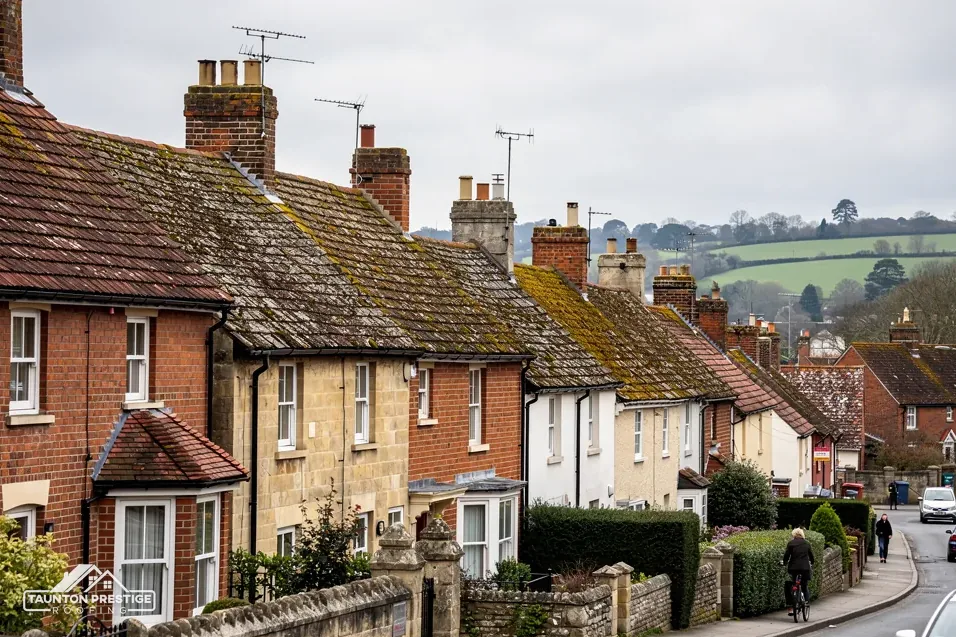
Long Street has a medieval hall-house and a row of three cottages dated 1624.
Old cottage rows, a Grade II* church and a 19th-century centre
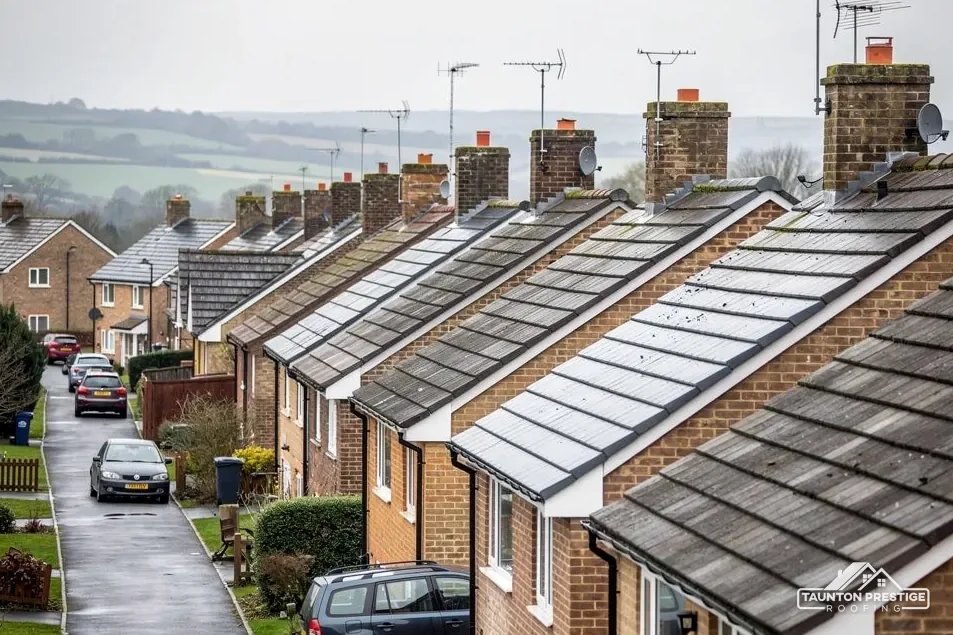
Williton grew as a local commercial centre in the later 19th century, around older cottage rows on Long Street and a Grade II* church.
Long Street has a medieval hall-house and a row of three cottages dated 1624.
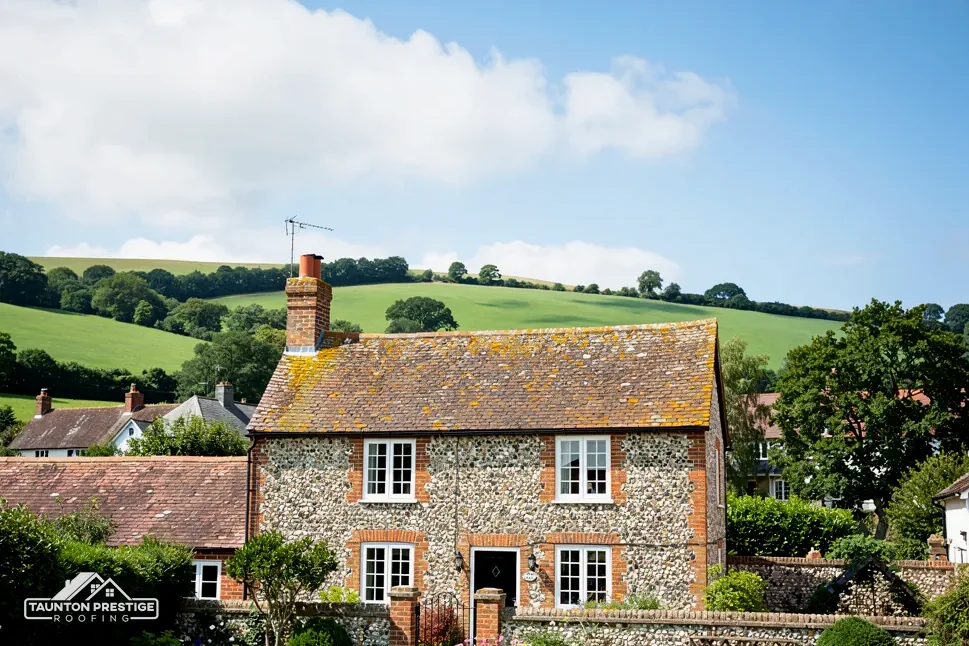
Seventeenth-century thatched and roughcast cottages stand in Bridge, Priest, Robert and Shutgate streets.
Grade II*, first listed in May 1969, with Anglican worship continuing there, so a faculty governs roof repairs.
Street map of Williton with Watchet, Washford, Old Cleeve, Stogumber marked around it, and Taunton.
Watchet lies just to the north, Washford is west of Williton and Old Cleeve further west, Stogumber sits south-east, while Holford is further off eastward.
About 14 miles north-west of Taunton, Somerset Council (unitary).
Four checks from Long Street
Cottage rows, a listed church, the commercial centre and scaffold: how each answer shapes the work and the final price.
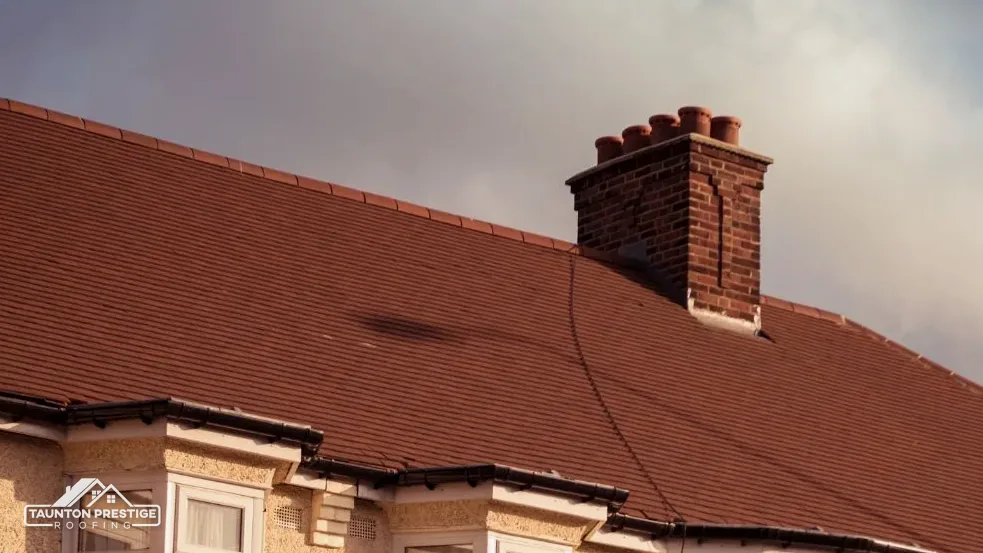
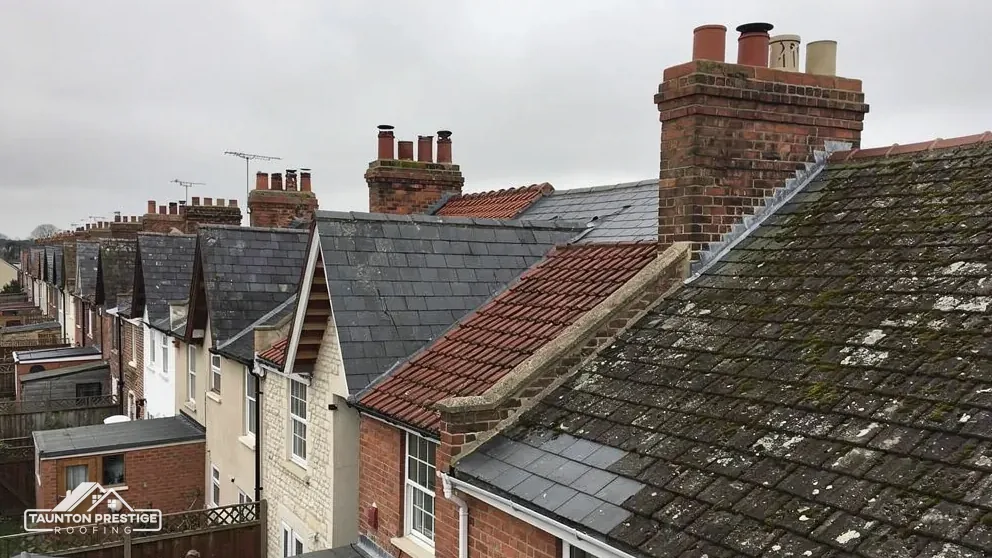
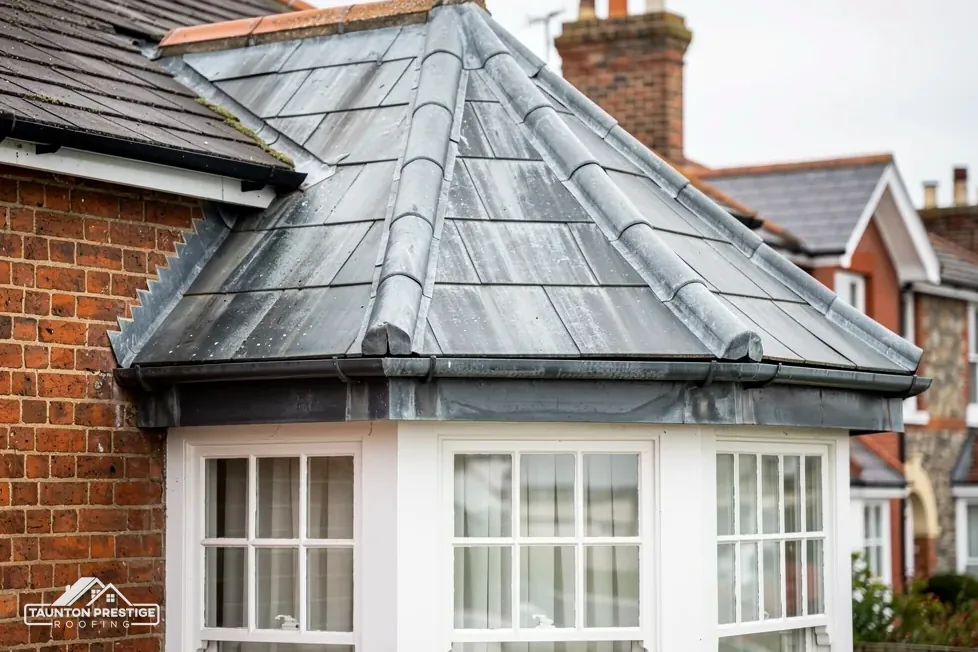
Long Street holds Honeysuckle Cottage, a small medieval hall-house, next to a row of three cottages dated 1624, with roughcast and thatched cottages of the 18th and earlier 19th centuries along the street. Rows and terraces share walls, and shared walls bring shared chimneys. Before we price work on a row, we find out which stack stands on which wall, because that decides who else has to be told.
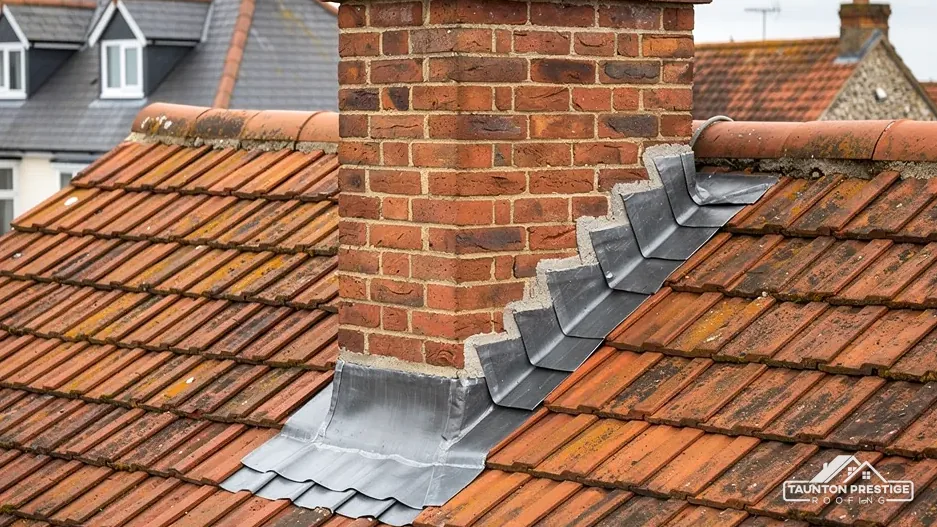
Sometimes you do. Taking a chimney off a wall you share is notifiable work under the Party Wall etc. Act 1996, and the notice has to reach your neighbour two months ahead. No reply is not the same as consent, and a disagreement goes to a party wall surveyor, not to building control. Work that keeps the stack standing, repointing for instance or renewing the flaunching (the mortar collar that bedded the pots), is a different category, and we tell you which category your job falls in.
MyJobQuote's guides give a typical UK range of £450 to £1,200 for repointing a chimney (Oct 2026) and £350 to £920 for full leadwork on one (Sep 2026), the second depending heavily on scaffold. A stack on a low rear slope may be reachable by ladder, while one on the ridge line of a terrace is a different climb. Rows also share a ridge line, so a loose ridge tile on one house can let rain in next door, which is another reason to talk to the neighbours early. Our chimney repairs page runs through the options, from capping to a rebuild.
At the survey we mark every stack on a sketch, count the pots, record the flashings round each base, and send you photos of all of it, so the decision about the chimney is made with the facts laid out.
Look for
On the National Heritage List since 22 May 1969 at Grade II*, St Peter's still hosts Anglican worship. Because of that, consent for roof work comes through the Church of England's faculty system rather than through the council's listed building process. The request travels the diocesan route, led by the people who run the church, and the roofer then works to what has been approved. Access matters on a church: a tower or scaffold has to fit around services and visitors, and that conversation with whoever manages the building comes before any dates are promised, since the faculty route sets its own pace. It is a slow-moving job by nature, and a careful survey of the lead at the start saves repeat climbs later. Our page on church roof repair consent explains the route from the roofer's side.
Sound or needs work
What decides the price
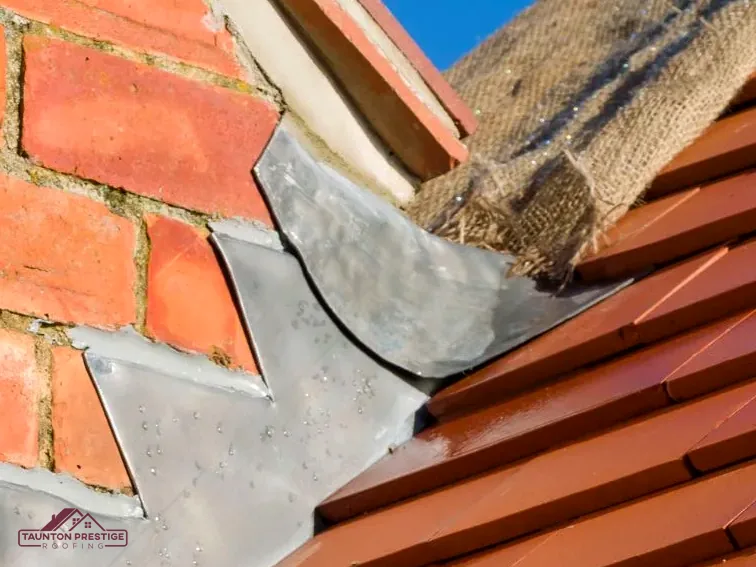
Lead flashing, MyJobQuote reports, can last for over 80 years, and that reads as a floor, not a pledge. Lead is rolled in numbered codes by thickness. Royston's brochure shows code 4 (1.80mm, blue) in use for flashings and pitched valley gutters as well as soakers, which are the small bent pieces stepped under slates beside a wall or chimney. It lists code 5 (2.24mm, red) for flashings, valleys, parapet and box gutters. Code 3 (1.32mm, green) serves for soakers alone. Which code a job takes depends on where the metal sits, so the survey records each run before any roll is ordered.
Sometimes. Brown staining below a flashing, a bright line where a sheet has lifted, or a damp stain on the ceiling beneath a valley all point upwards. A close look from the ladder is what confirms it. Church lead rewards slow, careful work at height, and our lead work page covers soakers, flashings and valleys in more detail.
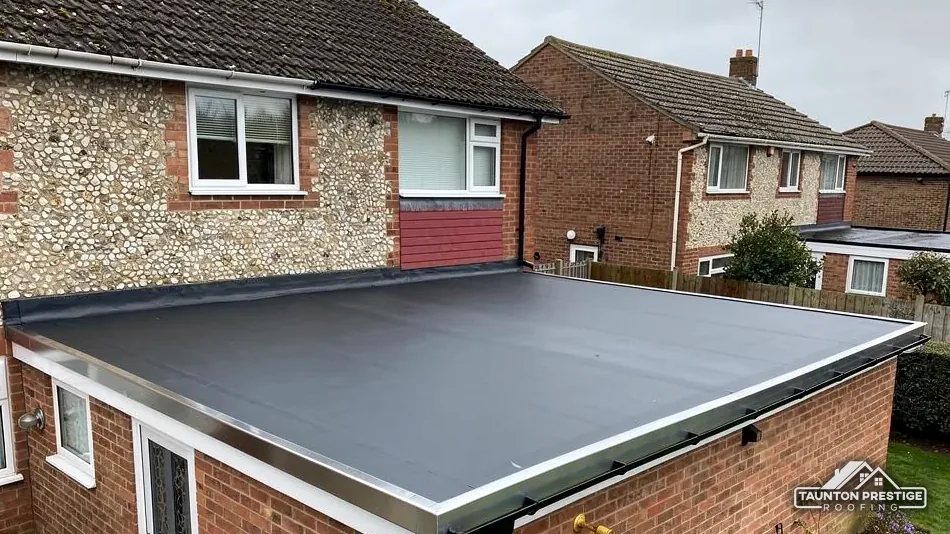
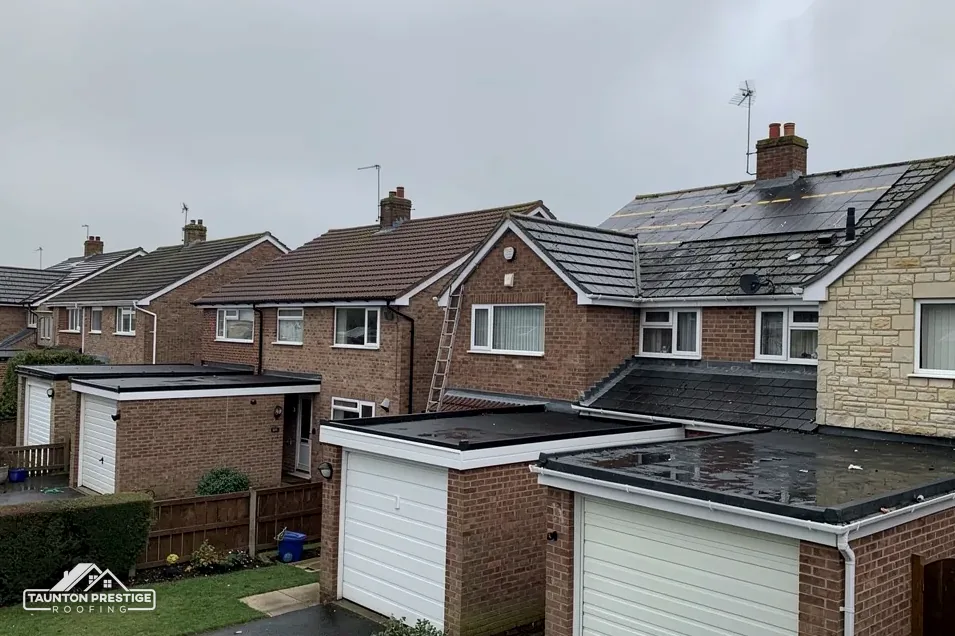
Much of Williton's commercial centre dates from the later 19th century, and there was extensive building after the Second World War off the Doniford road. Both periods leave behind roofs that are not pitched: rear extensions, lean-tos, garage tops and the roofs of small business premises. Flood Zone 3 comes within about 250 metres of Williton's centre point, according to the Environment Agency's planning map, a statement about the ground that cannot speak for one building.
A flat roof earns its keep by draining; the covering matters only while the water is leaving.
Water that stays after the rain has gone tells you one of three things. The deck has settled, a drain is choked, or the finished fall was never quite right. BS 6229:2025 sets the finished minimum at 1:80, and IKO says to design for 1:40 so the built roof still drains. MyJobQuote puts flat roof replacement at £1,500 to £6,000 as a typical UK range, and Less gives £1,200 to £2,500 for a 15 m² garage (Oct 2026). Our flat roofing page sets out the coverings.
Published lives overlap. EPDM, a synthetic rubber membrane laid whole, is rated by Less at 30 to 50 years, while GreenSpec says 20 to 30. GRP, glass-fibre reinforced plastic laid wet over matting, gets 25 to 40 years from Less, and torch-on felt 10 to 20, with a warning that a badly laid felt roof might fail in under 10. A repair is often the better buy while the deck is sound, and a new covering makes sense once the deck has gone soft.
Gutters and outlets on business premises matter just as much, so we look at them before the first autumn storm. A rear extension roof is easy to overlook because nobody walks on it, yet an upstairs window and a wet afternoon reveal a good deal about how it drains.
Scaffold turns into a licensing matter the moment its poles stand on public ground, and section 169 of the Highways Act 1980 puts that licence with the highway authority. Williton's is Somerset Council, whose permits go to accredited contractors alone, which makes the application the appointed contractor's job. The fee is £124.60 for each 28-day period (April 2026), and the council wants 10 working days' notice at least. A job that runs on needs the permit extended, so we leave slack in our dates. We also agree in advance where materials will sit, where waste will be collected and how neighbours keep their access, so the street is not surprised on day one. At the end of each day the site is left safe and clear of waste, and you hear what comes next.
What decides the price
Two Planning Portal tests decide whether building control must be told about a re-roof: under 25 per cent of the building envelope and under 50 per cent of the roof. Lay a covering at least 15 per cent heavier than the old and Building Regulations approval enters the picture. Somerset Building Control, on 0300 303 7790, covers Williton, a village that once belonged to Somerset West and Taunton.
Signing at your own kitchen table after a survey counts in law as an off-premises sale, and that gives you 14 days to cancel. A visit you request specifically to make an urgent repair is excluded. Citizens Advice's consumer helpline, 0808 223 1133, can explain how this applies to you.
Name the Williton street and describe the drip, stain or missing slate you have seen. The photos reach you first, then a single total price in writing, and nothing starts until you have read both.
Walked the roof?
When you have read the checks, we walk the roof and show you the photos.
First establish whether the cottage is listed, or lies inside a conservation area; Somerset Council's planning team can tell you. Then ask whether the plan is like for like or a change of covering. We record what is up there, flag any shared chimney, and match size, colour and texture where the look must stay.
St Peter's is a Grade II* church where Anglican worship continues, so repairs follow the faculty system and not the council's listed building process. Outside development can still need planning permission, and a scheduled monument needs its own consent. The people who run the church lead the request, and the work then follows the approved scheme.
Often, if the deck beneath is dry and firm. We look at the covering, the laps, the upstands and the outlets, then tell you whether patching will hold or whether the roof is past it. Repeated patches on a tired covering cost more over time than relaying it, and the survey photos show the difference.
Often you can. If you accept our price at your kitchen table once the survey is done, the law treats that as an off-premises deal, and you have 14 days to cancel, starting the day after signing. It does not cover an urgent repair visit you asked us to make. Citizens Advice's consumer helpline, 0808 223 1133, can confirm where you stand.
Say which Williton street and what the roof is doing, and pick a day for the ladder to go up.