Plenty of Taunton homes have a conservatory that is lovely in spring and miserable the rest of the year: too hot under polycarbonate in a heatwave, too cold and noisy in winter, with a roof that has clouded, leaked or started to sag. The tempting thought is to replace only the roof and leave the walls, windows and base alone.
That can work well. It can also go wrong if the frame was never built to carry what you want to put on top of it. A glass or solid roof is heavier than polycarbonate, and the weight goes down through the frame into the base. This post covers the roof choices side by side, the structural check that comes before any order is placed, what the Building Regulations say about a new roof, and the typical UK costs published by two cost guides. It belongs with our conservatory roofs work, and it is written for homeowners around Taunton, Wellington and the villages nearby.
Why replace the roof and keep the frame?
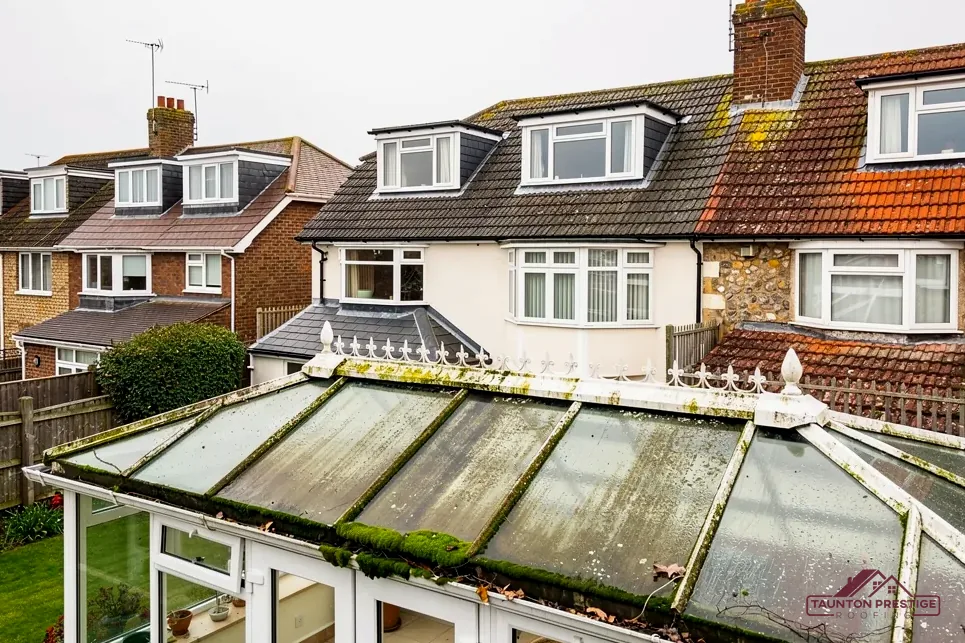
Conservatory roofs wear out faster than the structure under them. Polycarbonate sheets cloud, crack and let in water where the glazing bars have perished. Glass units can fail at the seals. Seals at the house wall, the gutter line and the ridge dry out. The brickwork, the windows and the base are usually in far better shape than the roof, so replacing only the roof is a reasonable idea.
How many years should a new roof give?
It depends on the material. HomeBuilding gives a typical lifespan of 10 years for polycarbonate, and The Eco Experts puts glass or polycarbonate at about 10 to 15 years. Treat both as typical figures and not promises; they assume the roof was fitted and maintained sensibly. A roof that has outlasted them has done well, and many owners find the cost of keeping it patched starts to add up.
What goes wrong first?
Usually the joins. Look at the junction with the house wall, where a flashing or sealant line keeps water out, and at the glazing bars, where seals dry and shrink. A stain on the inside of the frame, mildew in the corners or a drip in heavy rain all point there. Water that gets in at those points can run down the frame before it ever drips, which makes the entry point hard to see from inside. A leak is also worth tracing before you commit, because a repair might be all the roof needs. If the leak is the only fault, a repair might be all you need, so it is worth asking before you commit to anything bigger.
The roof choices side by side
Three families of roof cover most replacements: polycarbonate, glass and solid. Each suits a different aim. Think about how the room is used, what it costs to heat and cool, and how it looks from the garden and from inside.
What does polycarbonate offer?
Polycarbonate is a lightweight multi-wall plastic sheet. It suits a light frame, because it adds little weight, and it costs least of the three to supply. The trade-offs are noise in heavy rain, the heat gain in summer and a shorter life. It often suits a conservatory whose frame is thin or old.
Is glass worth the extra weight?
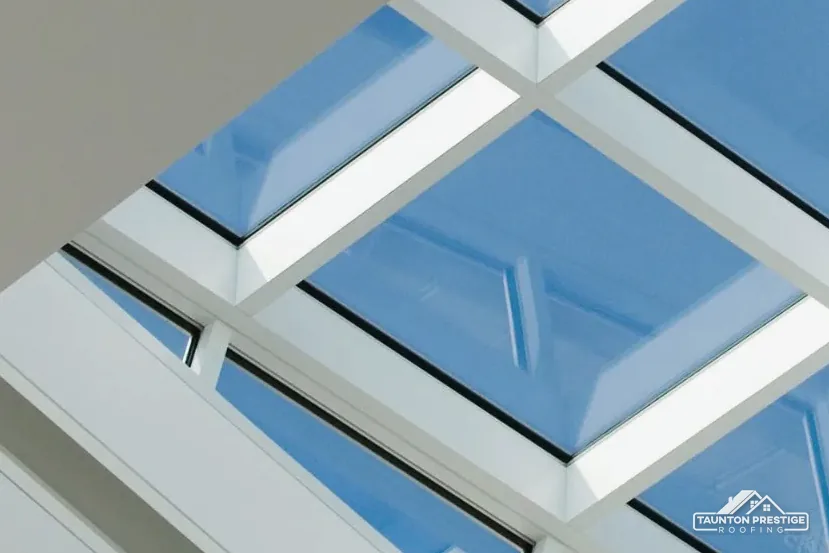
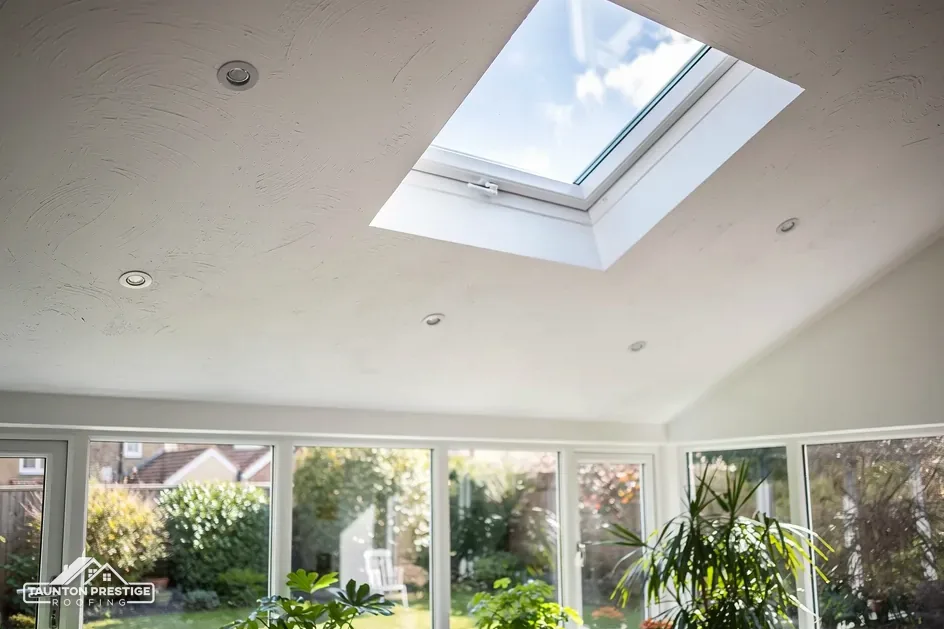
Glass brings clarity, better looks from inside and a more refined feel. It is heavier, so the frame and base need to be checked first, and many glass roofs use special coatings to reduce summer heat. The trade-off is that you still have a glass room: warmer than polycarbonate in winter, but not like a heated living room. Our guide to the choice between solid, glass and polycarbonate compares them in more depth.
What about a solid or tiled roof?
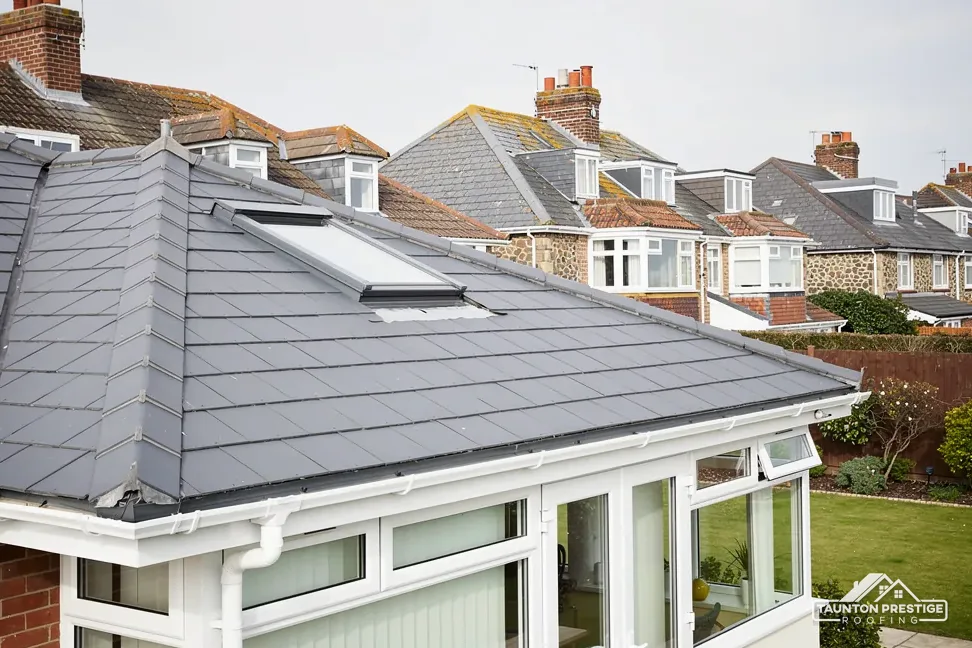
A solid roof, either a lightweight tile system or a warm-roof panel, turns the room into somewhere usable all year. It brings insulation, quiet and a roof that matches the house, and a tiled finish can be chosen to sit with the main roof. It is heavier again and so brings the structural check and the Building Regulations into play. A lightweight tile is designed to cut the weight, though the frame still has to be assessed.
Whichever you choose, the same questions about the frame come first.
The structural check on the frame and base
This is the step owners most often skip, and the one that matters most. The roof can only be as sound as its supporting frame. Before ordering a heavier roof, someone competent should inspect the frame, the dwarf walls (the low brick walls it stands on), the slab or foundations, and the way the roof connects to the house wall.
What gets checked?
The frame itself: is it uPVC, aluminium or timber, is it straight, and is it strong enough for the load? The corner joints and any steel reinforcement in the frame. The dwarf walls beneath, which carry the weight to the ground. The foundations, particularly if the conservatory has moved or cracks have opened. And the fixings to the house, because the roof leans on the wall along one edge.
Who does the check?
On re-roofing, the Planning Portal suggests that an engineer or surveyor be asked when the new covering weighs more. The same sense applies to a conservatory, and an engineer's note on the frame is welcome at the survey. During the survey we inspect the frame and take photos, but a heavier roof on an old frame can need an engineer's view.
Can a weak frame be put right?
Often, yes. Steel reinforcement, new posts or rebuilt dwarf walls can bring an old frame up to the job. That adds cost, so it is better known before you choose. If the frame cannot take a glass or solid roof sensibly, polycarbonate or a lightweight system may be the better buy. Our guide on whether your conservatory frame can take a solid roof goes through the signs.
Building Regulations for a new conservatory roof
Replacing a roof is not just a cosmetic job in the eyes of the Building Regulations. For a conservatory, the Planning Portal's wording is that the new roof has to be safe structurally, efficient with energy and properly ventilated. That applies to the roof being fitted, not only to a full rebuild.
Who do you ask?
Your building control body. In Taunton and across Somerset that is Somerset Building Control, on 0300 303 7790, or a registered building control approver of your choice. Private building control existed before 2024; what changed from 6 April 2024 is the registration regime. Ask before work starts, not afterwards. Regularisation exists for older unapproved work, but it is far easier to apply first.
Does a heavier roof change anything?
Yes. Under Planning Portal guidance, once a covering makes the roof 15 per cent heavier or more, approval is needed. Weight is one reason a switch from polycarbonate to glass or tile brings control into the picture, and it is why a structural opinion is worth having. Insulation figures depend on the roof you choose, so building control tells you which ones apply.
Is planning permission needed?
Often not for a like-for-like swap, but a home with listed status, or one inside a conservation area, is a different case, and Somerset Council's planning team should be asked about the consent route first. Our guide to solid conservatory roofs and Building Regulations covers the approval route in more depth.
Typical costs and what moves them
Costs vary widely, so use published ranges as a guide to the shape of the market and not as a price. MyJobQuote gives a typical UK range of £3,200 to £6,000 for a conservatory roof replacement (MyJobQuote, Oct 2026). The Eco Experts gives £2,300 to £6,000 (The Eco Experts, undated). Those figures overlap but do not match, and they are national guides, not a Taunton Prestige price. Both would sit differently on a small lean-to than on a large faceted room.
What decides the price?
The footprint and the shape, because a lean-to is simpler than a Victorian or P-shaped design with several facets. The material, since glass and solid roofs cost more than polycarbonate. The state of the frame and any steel or timber needed to strengthen it. Access to the back of the house and whether scaffold is needed. And whatever the survey turns up around the wall junction, the gutters and the base.
Are there grants?
A new roof attracts no national grant. A few insulation schemes exist, but eligibility turns on your household and the scheme, so never assume you qualify, and check the current rules on GOV.UK before relying on one.
What should a quote include?
Ask whether the price includes VAT, scaffolding if needed, taking away the old roof and making good at the wall, plus any steel the frame needs. One total that states what it covers is simpler to weigh than a number with gaps. You should also be told what happens to any asbestos-cement sheets that sometimes survive on older lean-to roofs, since those need careful handling and separate disposal.
Making the swap happen cleanly
Once the roof, the frame and the paperwork are settled, the work itself is usually quick compared with a full re-roof. The old roof comes off in sections, the frame is checked and prepared, and the new roof is craned or lifted into place. A glass or solid roof usually takes longer than polycarbonate because of the extra weight and the detailing at the wall, so ask for the expected number of working days and for the order the jobs happen in.
What happens on the day?
Furniture and valuables are moved out, plants are cleared, and the room is protected. The sequence is planned so the opening is covered by the end of each day. Tidy sites matter in a garden: dust sheets, a tidy waste area and a clear route to the skip all help, and each morning you hear what that day involves.
What about the weather?
Rain is the enemy of an open conservatory frame, and Somerset showers rarely wait for a convenient moment. A sensible contractor watches the forecast and keeps temporary cover ready. Wind can also halt a crane lift, which is why the dates in a plan are targets rather than promises.
What next?
If you already know you want a new roof, send us the size of the room and a few photos of the existing frame and the wall junction. We will survey it, check the frame and talk through the options with pictures taken at your house, and the written price follows, so you know what the swap involves before anything is ordered.
Roof swap questions, answered
Will my old frame carry a glass roof?
That depends on its material, its condition and the base below. Aluminium and good uPVC frames can often be reinforced, while an old, flexing frame may not be worth the cost. A survey of the frame, dwarf walls and house junction answers it, and an engineer may be asked to confirm the loading for a heavier roof.
Do I have to tell building control about a new roof?
Per the Planning Portal, a roof fitted to a conservatory has to meet the regulations. Contact Somerset Building Control or your chosen registered approver before work starts. A heavier covering, a switch to a solid roof or a change in the way it joins the house can all affect what the inspection needs to cover.
Is polycarbonate a sensible choice for a new roof?
It can be, particularly on a light or older frame or where budget is the main limit. It is the lightest of the three families, though rain is noisy and summer heat builds. Typical lifespans are around 10 years or a little more, so think about whether you would rather pay once for a longer-lived roof.
More on this subject: Conservatory roofs in Taunton