The first drip through a ceiling sets off a string of questions. Is this a job for a roofer or a builder? Does the insurer need to hear before anyone climbs a ladder? And how do you tell a sound quote from a vague one when you are standing in a damp bedroom with a bucket?
In practice, roofing faults belong with a roofer, damage inside the house belongs with your insurer first and a builder second, and the order you make the calls in can affect what you are paid and what you end up spending. This guide takes each caller in turn and explains what they can and cannot do for a leak. It goes on to cover the insurer's approved contractor, the written paperwork worth collecting, and the plain checks that tell you whether a firm is likely to do what it says. It forms part of our emergency roof repairs advice across Taunton and its villages.
Roofer, builder or insurer: who does what?
Each of the three has a different job, and mixing them up is how leaks get patched twice.
A roofer works on the outside shell of the building: slates, tiles, ridge and hip tiles, valleys, flat roof membranes, flashings and gutters. Their strength is finding where water enters and fixing the covering and the joints around it. A general builder is wider in scope. They deal with the walls, ceilings, plaster, joinery and structural timbers, and some do roofing as part of a bigger project, but a roof leak is a specialist diagnosis and not every builder has the roofing experience to make it.
The insurer does not repair anything. It pays, or does not pay, for the damage under the terms of the policy, and it may offer its own repairers to carry out the work.
Which call comes first when the water is coming in?
Phone the insurer to report the loss if you plan to claim, because the policy sets out what you must do and what it will cover. In the same hour, or as soon as you reasonably can, ask a roofer to make the roof safe. Engineers and consumer groups give the same order of play: tell the insurer, get the roof covered, and hold on to the evidence. A builder comes later, for the plaster, the decorating and any rotten joists the leak has reached.
If you are a tenant or a leaseholder, the first call is often to the landlord or managing agent, because the lease or tenancy decides who looks after the roof. Check that document before arranging anything yourself. Our page on finding the source of a roof leak explains how a roofer traces the water.
What a roofer can and cannot sort out
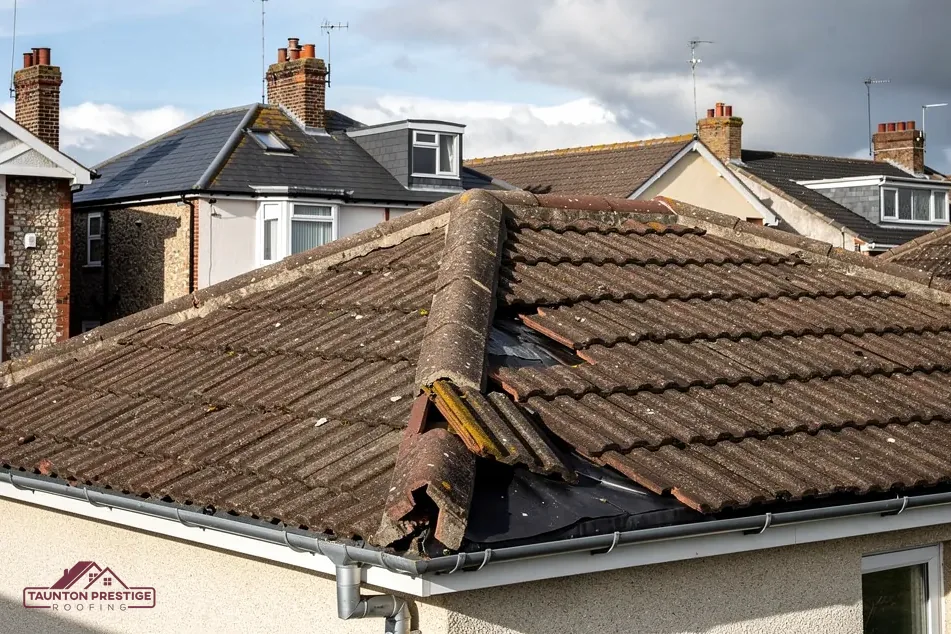
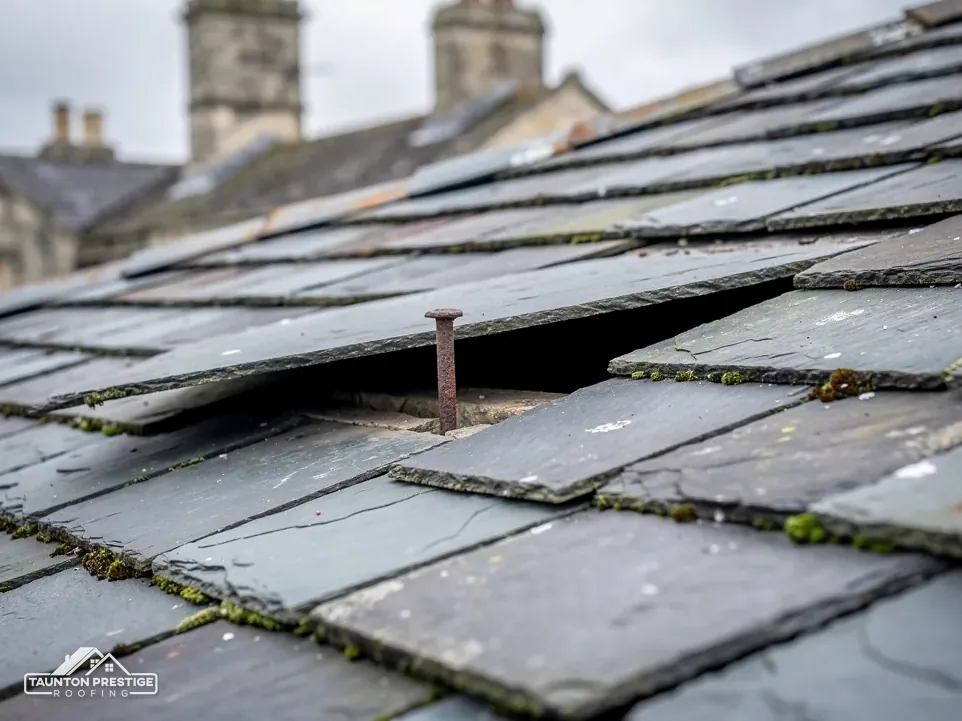
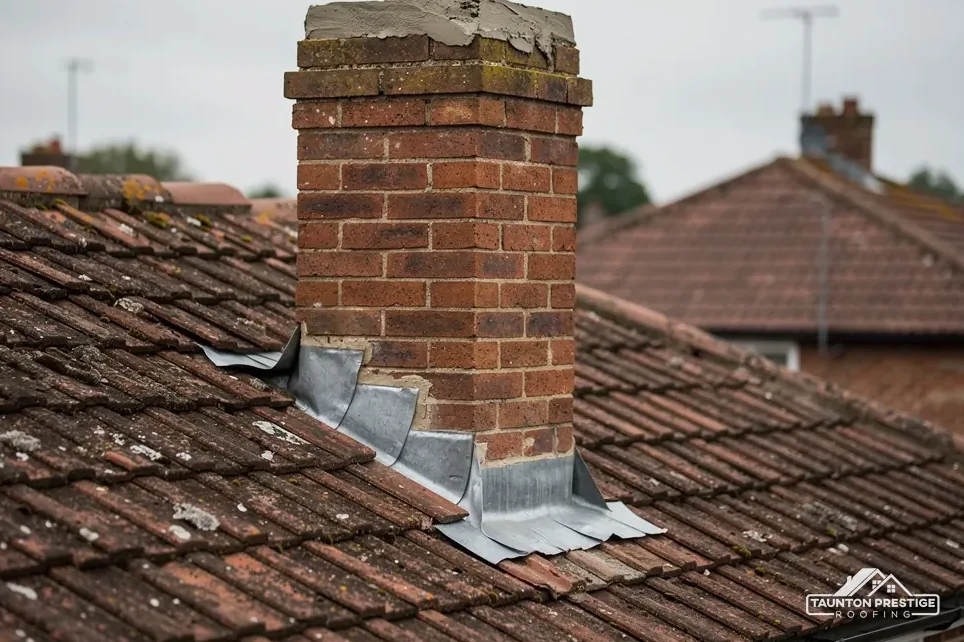
A roofer can stop the water coming in. That covers temporary cover, replacement slates and tiles, new flashing, a re-bedded ridge, a patched or re-covered flat roof and cleared gutters. A roofer who looks before pricing will also tell you whether the fault is a one-off or a sign that the covering is coming to the end of its life, which decides whether patching or replacing makes better sense.
They cannot tell you whether your insurer will accept a claim, and they should not promise that. They can supply what insurers usually ask for: a written description of the fault, photos of the damage and a written price for the work. What happens next is the insurer's decision. Any firm that says it will handle the claim for you, or that the payout is certain, is promising something it does not control.
Can a roofer do the plaster and decorating afterwards?
Some can, most refer you on. A leak that has soaked a ceiling usually needs the plaster dried and checked before it is repaired, and a roofer's job ends at the roof line. Ask who will make good inside, and whether it is covered in the price, so you are not left with a dry roof and a stained room.
A good first visit has a clear shape: a look from the ground and, where safe, from the roof or a platform; photos of the fault shown to you; an explanation in plain words of what is wrong; and a written total covering all of it. If anything urgent turns up, the roof is made safe before the paperwork is discussed.
It is worth asking, too, what the roofer cannot see yet. Hidden timber, soaked insulation and old repairs behind a flashing often only show once the covering is lifted, and a straight answer about that is a better sign than a promise that nothing else will turn up.
When the insurer's contractor is involved
Many policies let the insurer send its own approved repairer for the emergency work. Some ask that you use their contractor, some let you choose, and some pay for repairs only on approval. The wording sits in the policy, so read the section on buildings cover and emergency repairs, or ask the insurer directly before you book anyone.
Do you have to use the insurer's roofer?
Not always, and the answer is in your policy. Before you agree, ask three plain questions: whether your insurer requires you to use its contractor, whether it will pay for a repair you have arranged yourself, and what paperwork it needs from any other roofer. Get the answers in writing, by email if you can. If you have already paid for an urgent make-safe, keep the receipt and the photos.
Where the insurer's contractor attends, the same habits apply. Ask for photos of the damage and the repair, and for a written description of the work. Keep your own pictures of the roof from the garden, taken before anyone starts, so there is a record that does not depend on anyone else.
What if the claim is refused or delayed?
The Financial Ombudsman Service handles complaints about insurers. Once a firm has had eight weeks without sending a final response, the Ombudsman will look at the complaint, and after a final response you get a six-month window to do so. The service itself is free to use. Our page on home insurance and a leaking roof goes through the order of events, and our guide to temporary roof repairs covers the make-safe itself.
Ask the insurer to confirm in writing how it classes the damage, since policies treat a storm differently from long-term wear.
How do you get written quotes you can compare?
Citizens Advice recommends asking several traders, at least three, for written quotes ahead of choosing. With an active leak you may not have time for three, and a make-safe is a different job from a full repair. For the lasting work, though, there is usually room to ask more than one firm.
A quote is worth having when it is in writing and states one total price. It should name the work, for example which slope, which flashing, how many slates or tiles, and what is being left alone. It should say if VAT and the scaffold sit inside the figure, how long the price stays open, and when the work can start. A phone number and a firm's name on paper matter as much as the sum. Date every quote you receive and keep the emails, so that if the scope changes later you can see exactly what was first offered.
What should you ask each firm to include?
- Photos of the fault, taken on your roof, that you can see yourself.
- The cause of the leak, in plain words.
- What is repaired now and what, if anything, is left for later.
- Whether the figure takes in VAT and the scaffold.
- How waste is removed from site.
Ask every firm the same questions so the answers can be set side by side. A firm that will not put a price in writing, or that asks for a large payment before it has been to look, deserves a second thought. Our page on spotting a dodgy roofer goes through the warning signs in more detail.
Who can you trust for a reliable roof repair?
Trust is built from things you can check, not from what a firm says about itself. Any company can print a badge or claim a rating on a van; the more useful test is whether it will show you proof of the work and put every promise on paper.
What can you check before someone comes onto your roof?
- A proper business name, a landline or mobile you can ring back, and a trading address.
- Pictures of your actual roof, not stock images, from before and after the work.
- A written quote with one total price that says exactly what the job covers.
- A written explanation of any guarantee, and who stands behind it.
- Whether the firm has done work near you that you can see from the road.
If a firm claims to belong to a trade body, ask for the details and check them with the body itself. Be wary of anyone who knocks at the door to say your roof is in danger, of pressure to decide on the spot, and of cash-only deals. A genuine urgent problem can still be dealt with calmly, with a make-safe first and a proper quote after.
Know your rights too. If you sign after a survey at your own house, a 14-day cancellation period usually applies, and the firm should tell you so. Under s49 of the Consumer Rights Act 2015, a roofer must work with reasonable care and skill. If something goes wrong, the Citizens Advice consumer helpline is 0808 223 1133.
The survey comes first here, with photos of your own slopes shown to you. With an active leak, the roof is made safe before the quote goes anywhere.
Dangerous roofs and what a leak can cost
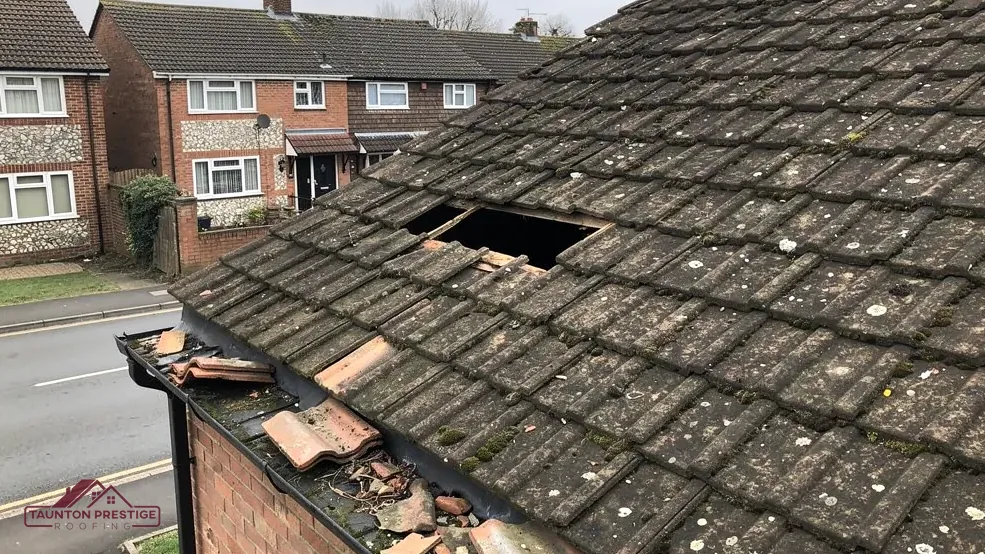
Sometimes the first call is not about the leak at all. If slates are loose and likely to fall onto a pavement, or a chimney looks unstable, the risk is to people below. Somerset Building Control names loose tiles and unstable chimneys as dangerous-structure examples, and leaves the bill for making a hazard safe with the owner. If there is a risk to the public, keep people away from the area and ring Somerset Building Control on 0300 303 7790.
The same call is sensible when you are unsure whether what shows from the street is cosmetic or a falling hazard. A roofer can then be asked to deal with the danger first and the leak second.
What does a leak repair cost?
For emergency work, MyJobQuote (Oct 2026) puts call-out charges between £150 and £300 as a typical UK range, and storm repairs at £1,200 or more. For a general repair, the same guide quotes an average of around £650 (MyJobQuote, Oct 2026). Those are national guides and not our prices. What moves the figure is the height and pitch of the roof, whether access or scaffold is needed, how much covering has to be replaced and what the survey finds under it.
If the repair needs scaffold on the pavement, a highway-authority licence may be needed. Under Somerset Council's rules the appointed contractor makes the application, and licences go only to accredited contractors, so ask the firm to arrange it and tell you how it affects the start date.
Leak call-out questions
Who is the best person to fix a leaking roof?
A roofer, because the fault is almost always in the covering, the flashings or the gutters, and they can trace it. Tell your insurer first if you plan to claim. A builder is better placed for the ceiling, plaster and timbers once the roof is watertight again.
Who can I trust for reliable roof repairs?
Choose by what you can verify: a named business and a number you can ring back, photos of your own roof, and a written quote with one total price. Check any trade body claim with the body itself, and treat unprompted door knocking or pressure to decide on the spot as warning signs.
Does my insurer have to use its own roofer?
Your policy says. Some insurers send an approved contractor, some let you choose, and some pay only after approval. Ask before you book, get the answer in writing, and hold on to receipts and pictures of any make-safe you arrange yourself, so the insurer can see what was done and what it cost.
More on this subject: Emergency and general roof repairs in Taunton