All Saints church
Designed in a simplified neo-Norman style and consecrated in 1840; its south tower stops abruptly above the bell stage.
A neo-Norman church, farmhouses and hamlets on the flat levels
East Huntspill is a group of hamlets, including Bason Bridge, Hackness and Cote, with a Grade II church consecrated in 1840.
Designed in a simplified neo-Norman style and consecrated in 1840; its south tower stops abruptly above the bell stage.
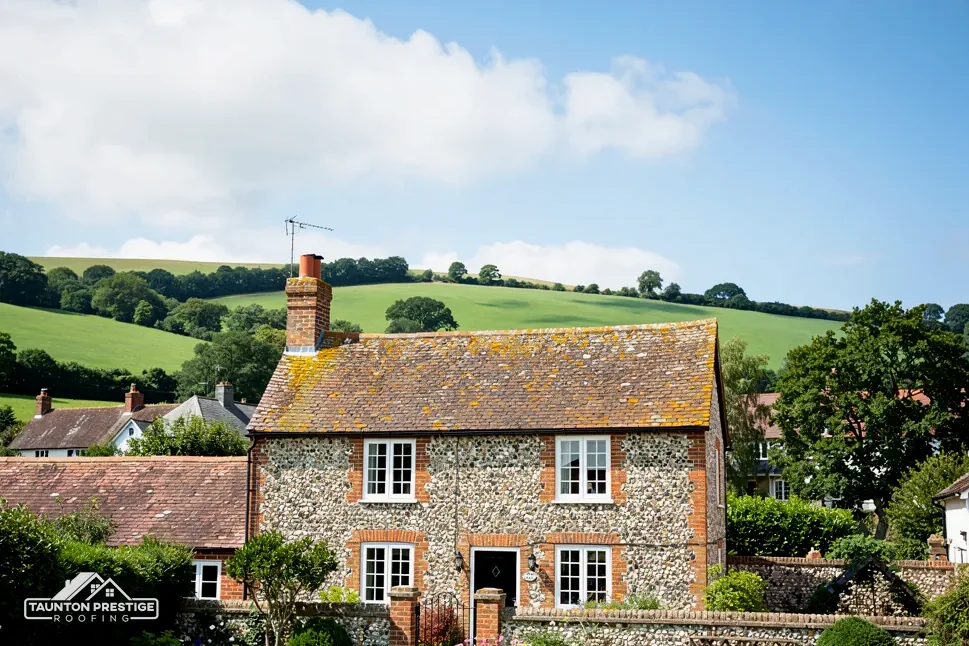
The farmhouse, barn and forecourt wall are listed Grade II together, so the barn roof needs consent too.
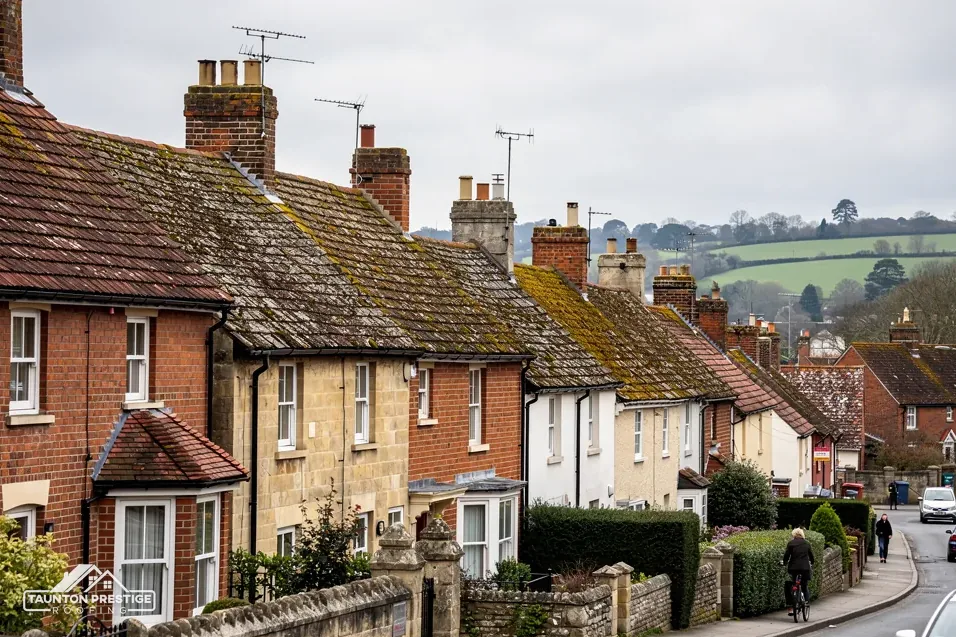
Farmhouses between here and West Huntspill date from before common land was inclosed in 1783.
Street map of East Huntspill with Highbridge, West Huntspill, Woolavington, Mark marked around it, and Taunton.
West Huntspill lies to the west, Woolavington to the south and Puriton to the south-west, with Mark to the north-east and Brent Knoll to the north.
About 15 miles north-east of Taunton, Somerset Council (unitary).
Checks across the hamlets
Four checks for hamlet houses, barns and extensions on the flat levels, and the extra work or cost each can bring.
All Saints was designed in a simplified neo-Norman style by the architect G. P. Manners and consecrated in 1840. Its south tower stops abruptly above the bell stage and may be unfinished. The church holds a Grade II listing from 24 February 1987 and Anglican worship continues there, so roof work is arranged through the Church of England's faculty system and not by asking the council for listed building consent. Our page on church roof repair consent explains how that looks from the roofer's side.
It is high, exposed and awkward to reach, and its flat or lightly pitched covering is usually lead. Royston's brochure assigns code 5 (2.24mm) and code 6 (2.65mm) to parapet and box gutters, which are lead-lined channels tucked behind a parapet wall that carry water to an outlet. A split in one of those can wet stonework for a long time before anything shows inside. Lead flashing, according to MyJobQuote, can last for over 80 years, which makes the early signs worth reading properly.
Inspection starts on the ground. With binoculars from the churchyard we read the slates, the ridges and the lead lines, then go up by tower or ladder to the places that need a closer look. Photos of every slope go into the report, because a faculty request is only as strong as the evidence behind it. Gutters and downpipes on a stone church deserve the same attention: green staining down the walls shows where water has been escaping for some time.
Whoever looks after the building. We can supply a survey with photos and a description of the lead and the fixings to go with the request, and we do not start until it is approved. Because a tower is a long way up, we agree access, working hours and safe ground below with the people who run the church before any date is promised.
Look for
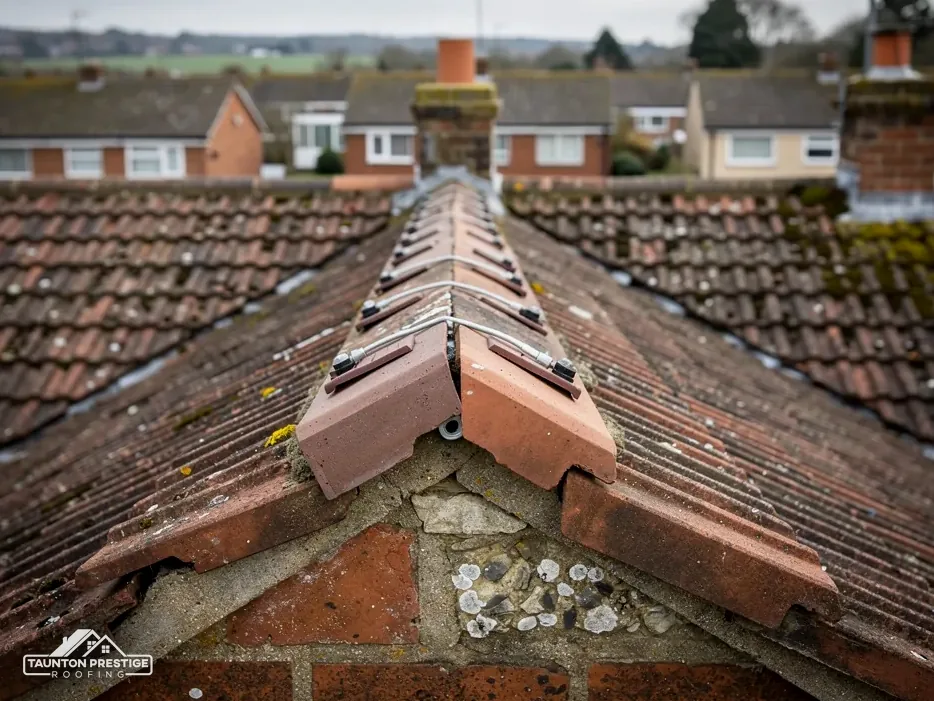
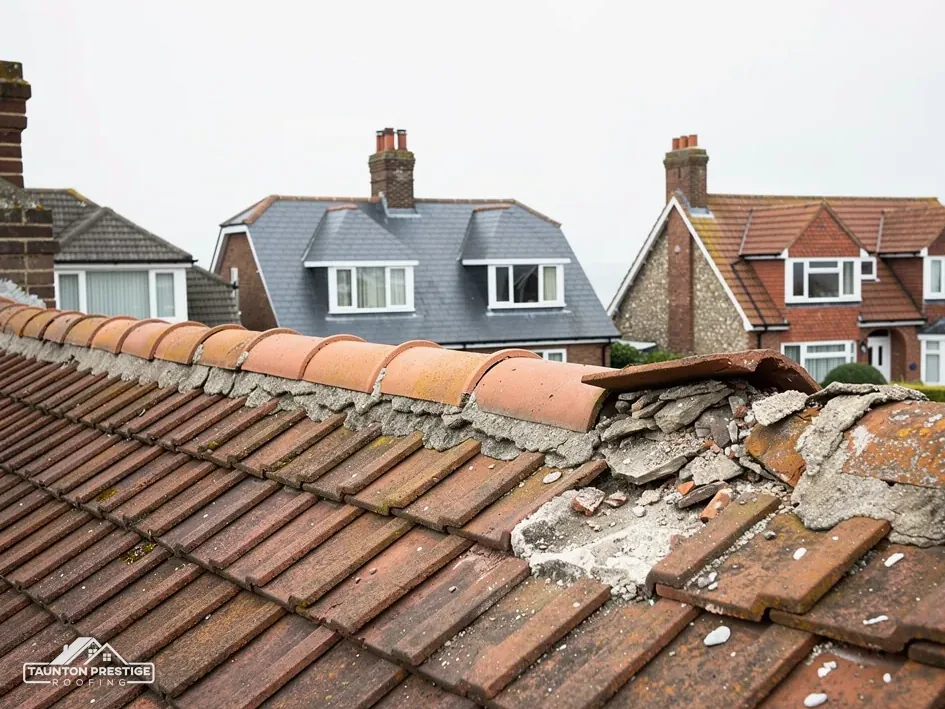
Phippins Farmhouse, Barn and Forecourt Wall are listed together as one Grade II entry, first listed on 24 February 1987. The entry names all three, so a barn roof here is part of a listed building, and Somerset Council is the place to ask before its covering changes. The same barn raises a second question, which is who is living under the roof.
What decides the price
It can, and the law is precise. Regulation 43(1) of the 2017 Habitats Regulations makes it an offence to deliberately disturb such an animal, or to damage or destroy a breeding site or resting place; for that second offence, intent is not needed. Under section 9(4) of the Wildlife and Countryside Act 1981, disturbing a bat in its shelter, or obstructing its access to that shelter, is an offence when done intentionally or recklessly. GOV.UK says the places where bats breed and rest are fully protected, and warns that a roof repair or re-roof can affect them.
We stop, leave the roost alone and tell you to seek advice before work goes on. Nobody should clear droppings from the eaves, tile gaps or ridge in the hope that the problem disappears. A stopped job costs less than a prosecution, and the survey notes show what was found, where, and on which date. If a barn is being converted or opened up, the planning and Building Regulations position changes too, so ask Somerset Council's planning team before any work is priced. The inspection covers the ridge, the hips, the battens and the underside of the covering from inside the barn, wherever the building is safe to enter. Our roof inspections page describes how we look at a roof before any price is set.
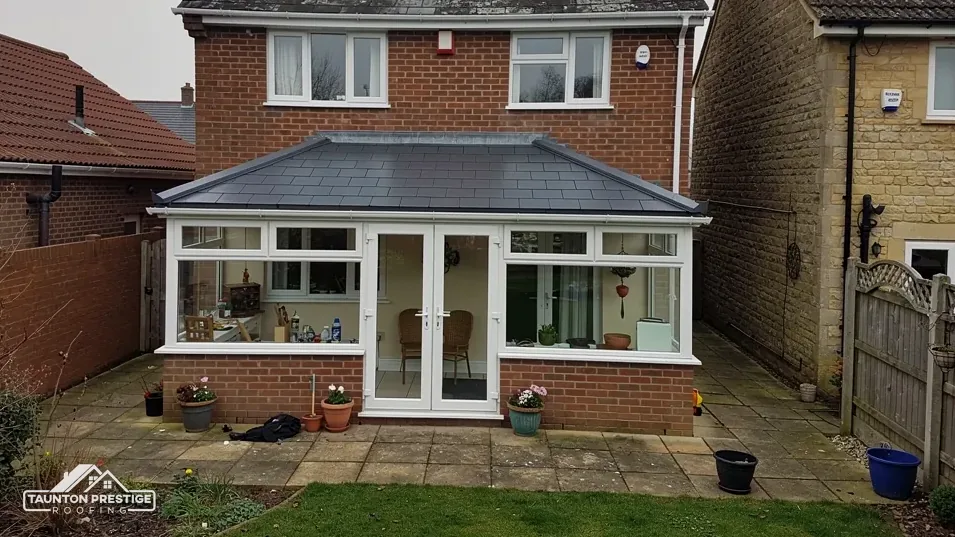
Hamlet houses on flat ground often gain a conservatory or lean-to over the years, and the roof on it ages differently from the main one. Polycarbonate conservatory roofing is put at a typical 10 years by HomeBuilding, while the Eco Experts say about 10 to 15 years for glass or polycarbonate. The Environment Agency's planning flood map puts the centre of East Huntspill in Zone 3, which says something about the ground and nothing about the glazing.
A conservatory roof does more than stop rain, and its life depends on what it is made of.
The numbers differ by source. MyJobQuote gives a typical UK range of £3,200 to £6,000 for a conservatory roof (Oct 2026), and the Eco Experts give £2,300 to £6,000. When the frame is sound and the sheets or glazing have gone, a new roof can be the right answer. When the frame is moving, the answer changes. For a conservatory, the Planning Portal says the new roof has to satisfy Building Regulations on structure, energy efficiency and ventilation, so the job goes beyond swapping panels. See our conservatory roofs page for the options.
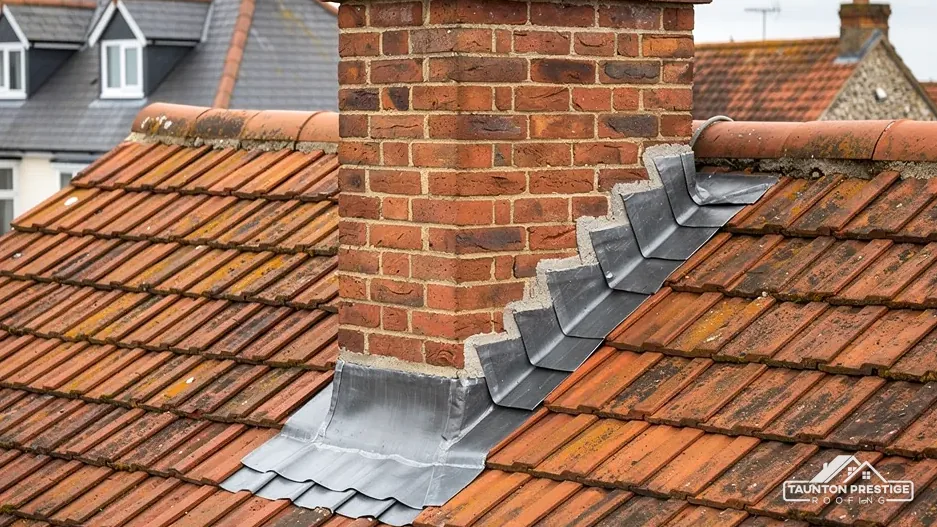
Cold surfaces and warm moist air meet there, and the water has to go somewhere. A blocked gutter above can make it worse by overflowing onto the roof, so the gutter gets checked first. The joint where the conservatory meets the house wall deserves attention as well. A flashing, the metal strip lapped into the brickwork and over the roof edge, seals it, and cracked mortar above can let water behind the strip. That joint is the first place we test after rain. A conservatory roof that leaks at the same spot each time usually has one cause, so we trace it before replacing anything. Where a lean-to sits below a pitched slope, rain from the main roof lands on it as well, so the gutter and the flashing are checked together before anyone quotes for new sheets.
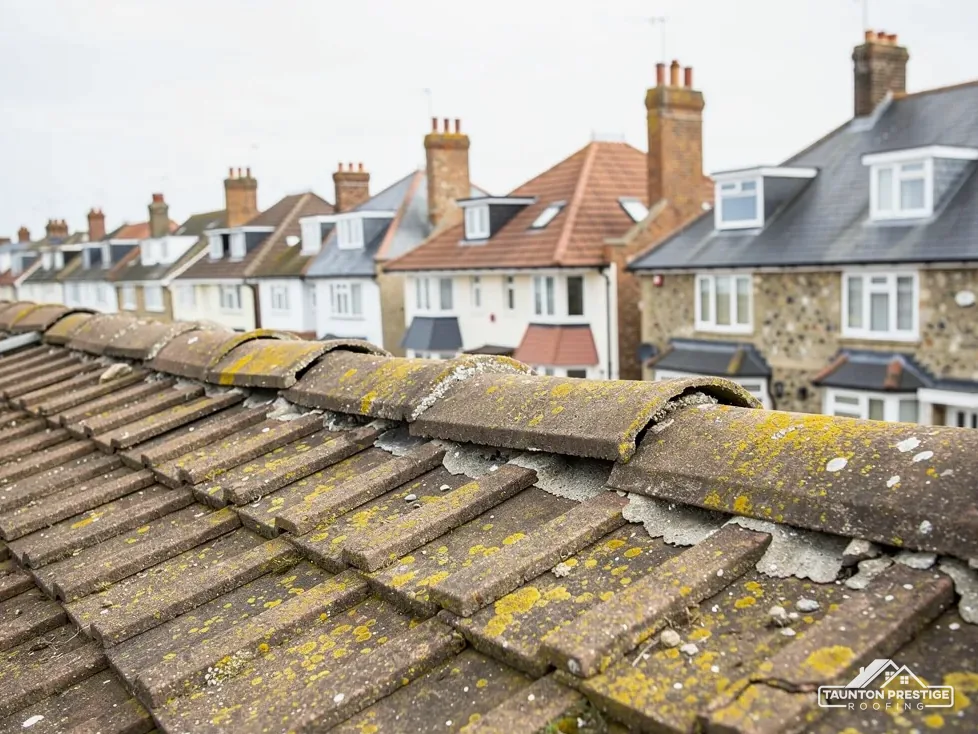
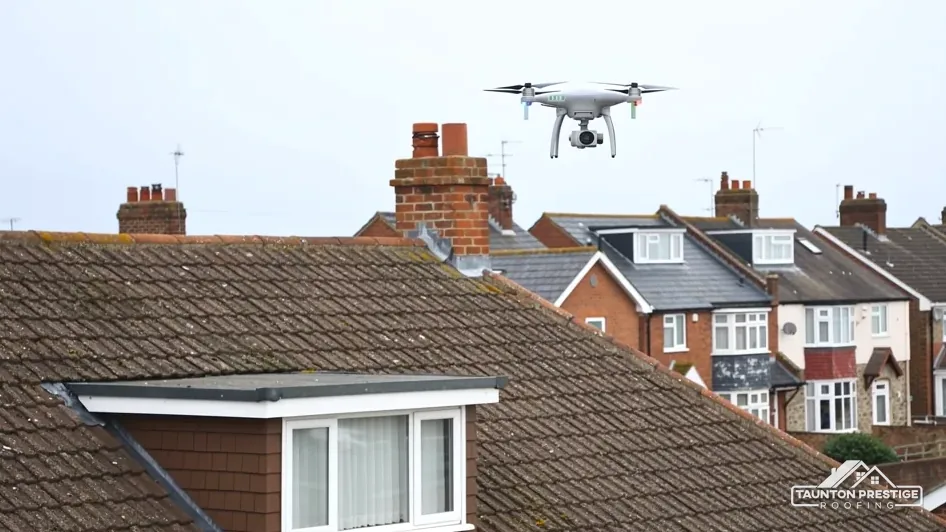
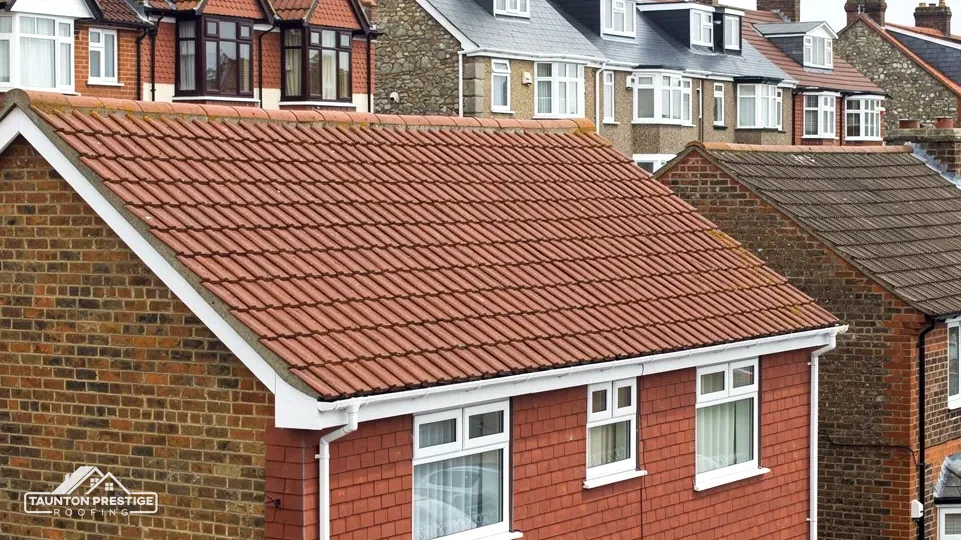
Green growth on tiles and slates looks untidy, and moss does its harm slowly. It keeps the covering damp, packs the gaps under tile edges and drops into gutters, where it blocks outlets. Marley does not recommend a high-powered jet wash, because it can damage slate or tile and shorten the covering's life considerably. HSE warns that biocides sold to professionals are not for householders, and that applying a product without approval is an offence. Lifting moss by hand or with a soft brush, then checking the pieces beneath, tells us whether a roof is merely dirty or truly tired. On a pitched roof the cleaning visit doubles as an inspection, since slipped tiles, open ridge joints and cracked hips show up once the growth has gone. Our roof cleaning and moss removal page covers the gentler methods.
What decides the price
Often not, and a tower or ladder can be enough for a single slope. Poles on the road or pavement mean a licence under section 169 of the Highways Act 1980. In East Huntspill the highway authority is Somerset Council, which grants permits to accredited firms only, so the appointed contractor applies; the cost is £124.60 per 28-day period (April 2026), with at least 10 working days' notice.
The Planning Portal's tests are under 25 per cent of the building envelope and under 50 per cent of the roof. Cover with something 15 per cent or more heavier and approval is needed. Somerset Building Control, on 0300 303 7790, is the service for East Huntspill and covers the former Sedgemoor district.
Send us your road, hamlet and a note on the moss or damage, and we will fix a survey. Then the photos arrive, and after them a single price in writing.
Walked the roof?
When you have read the checks, we walk the roof and show you the photos.
Scaffold or a mobile tower, chosen at the survey, with the people running the church agreeing the dates, the working hours and a safe area below. Until the faculty is in place nothing is touched. The tower stops above the bell stage, so the survey records how the top is finished before any plan is made.
One entry covers the farmhouse, the barn and the forecourt wall, so a new covering would need listed building consent from Somerset Council. Matching the old covering is the simple case, and the council can say what is required. We note the present covering on each slope so a request starts from the facts.
Work stops on that part of the roof. Disturbing a roosting bat, or stopping it reaching its roost, is an offence if done intentionally or recklessly, and destroying a roost needs no intent. You are told to seek advice from the right body before anything continues, and the survey notes are there for them.
Look at the gutter first. If water pours over it onto the glazing, the roof is taking the blame for an overflow. We clear or re-fix the gutter, then judge the glazing, the bars and the seals on their own merits, so you do not pay for a new conservatory roof you did not need.
Tell us your hamlet and what worries you, and a survey day gets booked.