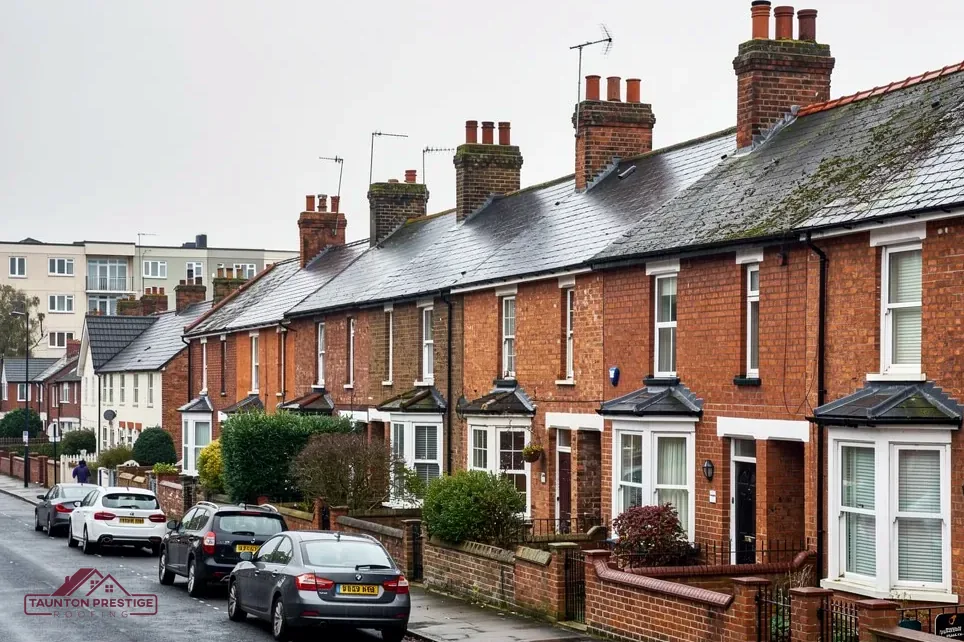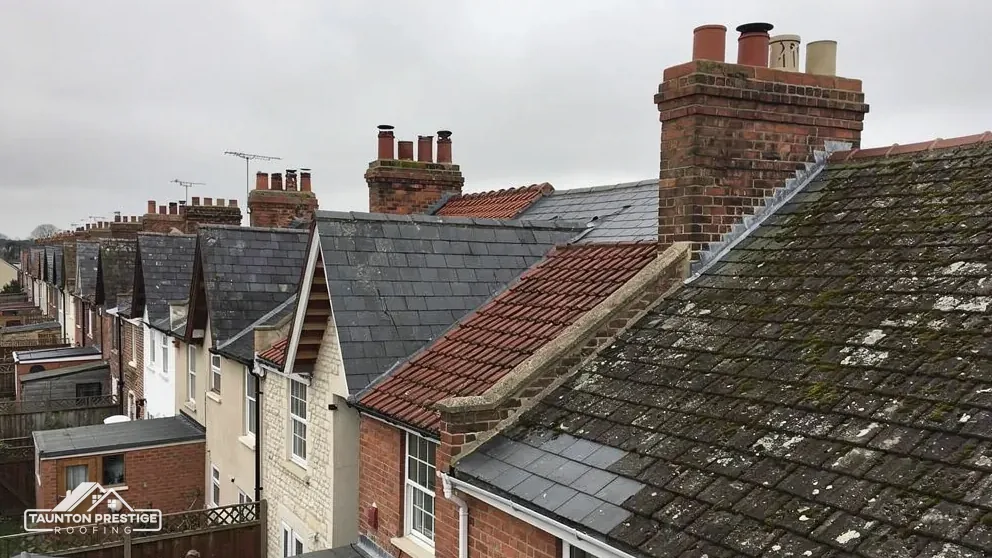
St Peter's church, Grade II*
First listed on 4 February 1958; it holds Anglican services, so roof work goes by faculty.
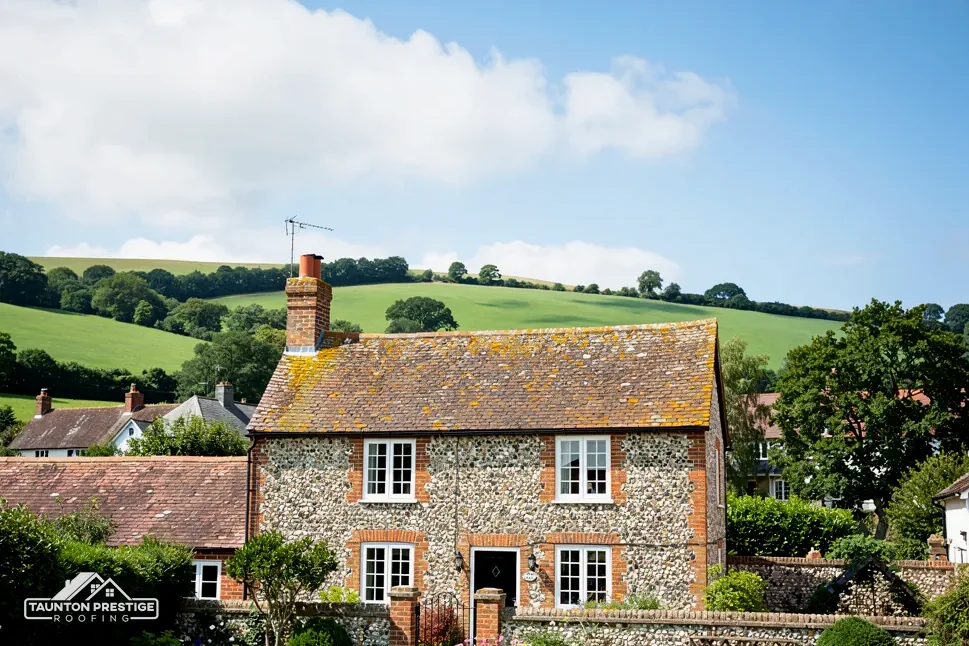
A Grade II* church, a railed chapel and a farmhouse near Ilminster
Ilton has 1,070 residents, a Grade II* parish church and a Grade II chapel with its forecourt railings. Each roof is surveyed and photographed before a price is given.
First listed on 4 February 1958; it holds Anglican services, so roof work goes by faculty.
A Grade II chapel and adjoining cottage, first listed on 29 October 1987, with railings across the forecourt.
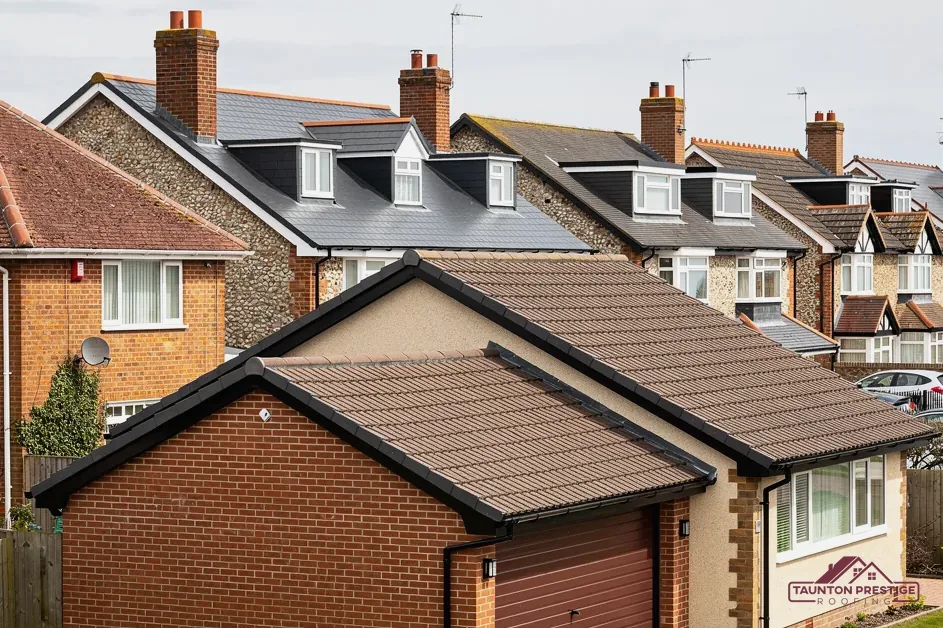
Both are listed Grade II, in a parish with twelve list entries within 500 metres of the centre.
Street map of Ilton with Ashill, Ilminster, Broadway, Stewley marked around it, and Taunton.
Ashill and Stewley lie west of Ilton, Ilminster to the south, Broadway and Horton south-west, Shepton Beauchamp east and Fivehead to the north.
About 9 miles south-east of Taunton, Somerset Council (unitary).
Four checks round St Peter's
Consent routes, foam under the rafters, sheet metal over a bay and the insulation rules for a new roof: four checks for Ilton owners.
Ilton's list entries include two places of worship. The Church of St Peter is Grade II*, first listed on 4 February 1958. A chapel and adjoining cottage, with the railings across the chapel forecourt, are Grade II, first listed on 29 October 1987. Drakes Farmhouse and Ilton Court are Grade II as well. With 1,070 residents and twelve list entries inside 500 metres of the centre, a roof question here rarely has one answer.
What the building is today. A 2010 order carves certain denominations out of the council's listed building system while their buildings are in use for worship. They are the Church of England, the Catholic, Methodist and United Reformed denominations, and Baptist buildings held by a Schedule 1 trust corporation. Each runs its own approval process. Other faiths, such as Unitarian or Quaker, along with closed churches and converted chapels, apply to Somerset Council for listed building consent.
St Peter's is a working Anglican church, so a faculty applies, and the parish makes the application. The chapel's list entry names no denomination and does not say whether it still serves for worship, so its owners must confirm that before a scaffold is booked. If it has become a home, listed building consent is the route. The railings belong to the same entry, so a skip or scaffold footing needs care around them. Access to a churchyard roof also depends on the ground beside it, so the parish hears about our plan early.
Planning permission for outside work is a separate matter, and our guide to planning permission for roof work covers it. Puckington is the nearest conservation area in the national dataset, around 2.5 km away, and Somerset Council can place your own address on its map.
Look for
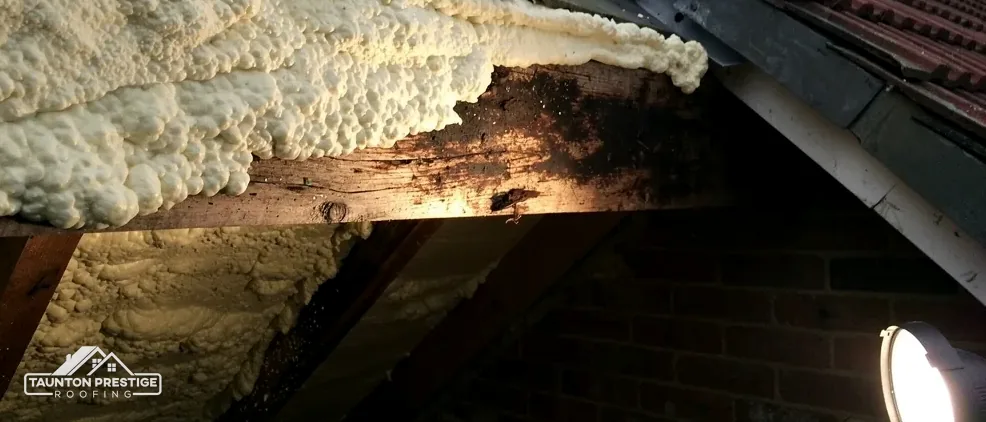
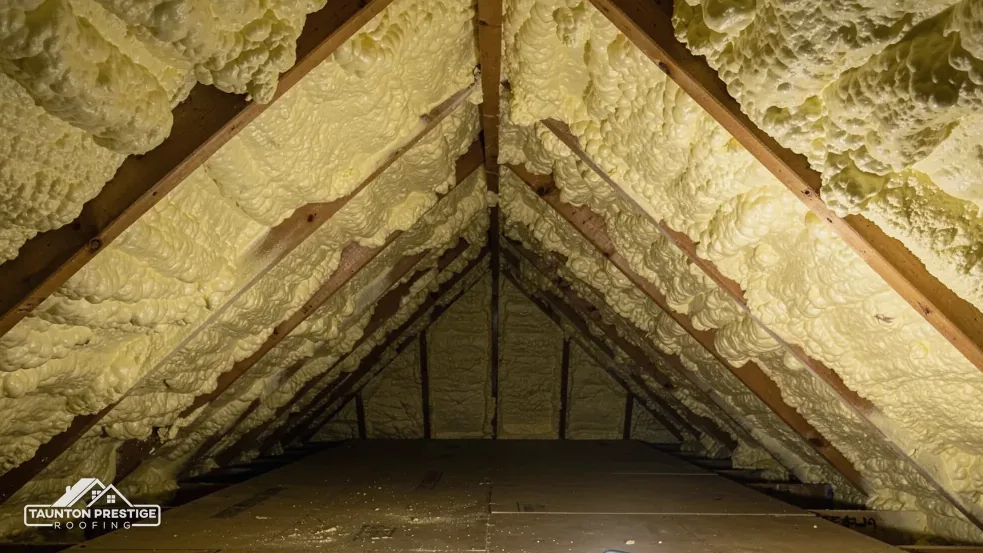
Older farmhouses and cottages have roof voids that owners would like to insulate, and foam sprayed under the covering can look like a quick answer. The trouble is what it hides. Foam bonds to rafters and battens, the timber strips under the tiles, and covers them. A damp patch, a failing nail or a soft rafter end can sit behind it unseen for years, and the first clue may be a brown mark spreading across the ceiling of the room below.
What decides the price
The Energy Saving Trust's roof insulation advice, last updated on 8 May 2026, counsels against foaming over an active leak. The sensible order is to find and cure the leak first, inspect the timbers while they can still be seen, and only then think about insulation. We can examine the rafters from the loft, photograph any damp or rot, and tell you what the covering needs before anything is added beneath it.
The RICS consumer guide on spray foam asks homeowners to talk to their mortgage provider about lender policy before installing it. Make that call part of the plan from the start, because a future sale may turn on it. If foam is already in the roof, ask your solicitor or surveyor what a buyer's lender is likely to want to see.
Area, depth, how firmly it has bonded to the timber, and whether the rafters are sound beneath. Those only show once a test patch is lifted, so the quote comes after the survey, not before it. The test patch also lets us photograph the underside of the covering and the face of the timber, which you can then see for yourself. Our spray foam removal page explains the process and what happens to the waste.
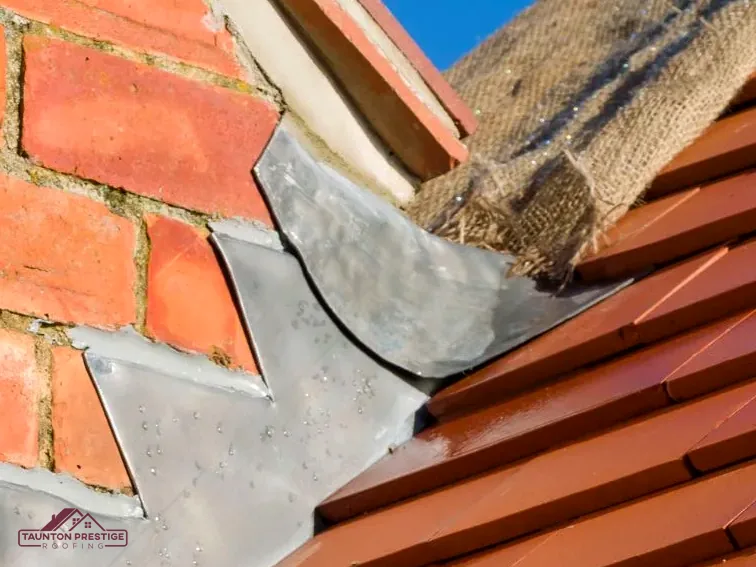
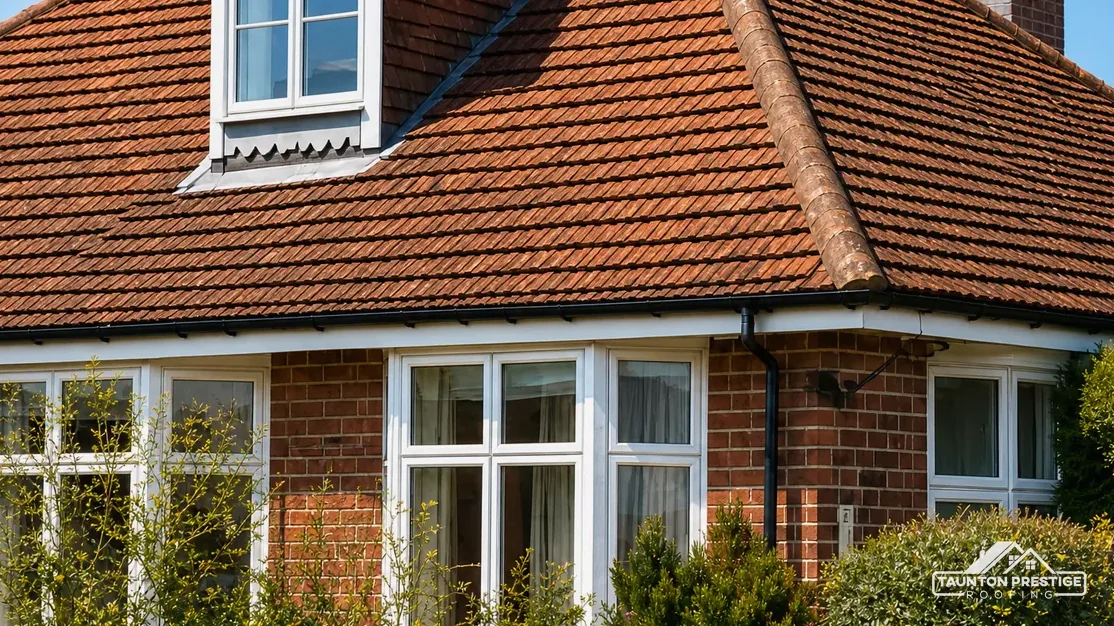
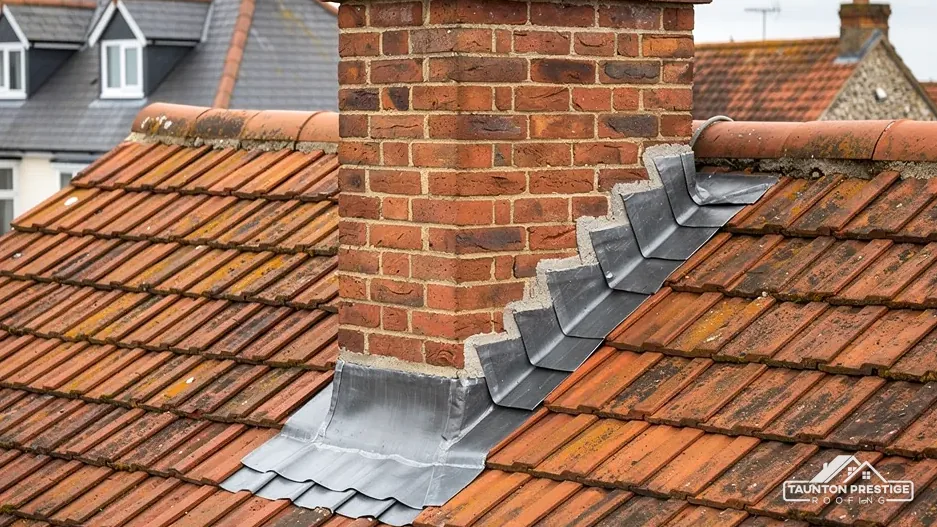
Bay windows, porches and small dormers often have roofs of sheet metal laid over a boarded deck. They are small, which makes owners think the work is minor, but a leak into a bay runs straight into a living room. Two metals are in common use, lead and zinc. Which suits the building depends on the detail, the age of the house and what was there before.
Sound or needs work
What decides the price
Both can last a very long time when well detailed. MyJobQuote cites over 80 years for lead flashing, a minimum and not a prediction, and VM Zinc says the BRE Environmental Product Declaration for zinc states 100 years. Those figures come from a cost guide and a maker, so read them as indications. Poor fixing, thermal movement and neglected drainage bring either metal down sooner.
It does. Lead is sold by code, and Royston's cast-lead brochure shows code 4 at 1.80 mm and code 5 at 2.24 mm among those used for flashings, with heavier codes for gutters and parapets. BS 6229 is the code of practice for flexible-membrane flat roofs, and it does not cover lead, so a detail is chosen from lead-specific guidance instead.
Sometimes. A crack at a fold can be patched, but a pattern of cracks usually means the sheet has moved too much for the way it was fixed. We photograph the folds and the deck beneath and tell you which case you have. Where the metal meets the house wall it is turned up under a flashing, and that step is the usual weak point: movement opens the joint and rain finds it. A bay roof that drips at the corner of the window head often has a failed step flashing, not a hole in the metal. Our lead work page covers the detailing.
A farmhouse re-roof is the moment to think about heat as well as water. Approved Document L, the Building Regulations guide to fuel and power, counts replacing a flat roof's membrane as renovation, and the rules for pitched roofs depend on how much of the structure is altered. Until 24 March 2027 the 2021 edition applies; after that the 2026 edition does, with its tables renumbered.
What decides the price
For a new or replacement roof element in an existing dwelling, Table 4.2 gives 0.15 W/(m²·K). An upstand built on site should reach 0.35. Retained and renovated elements follow Table 4.3 instead, with a threshold of 0.35 and an improved figure of 0.16, and paragraph 4.13 lets you upgrade to the best that is feasible where full compliance is not. Your building control body confirms the route for your job.
GOV.UK gives the standard rate as 20% for roof repairs and re-roofing work on a home that already exists. Under Notice 708/6, energy-saving materials installed between 1 May 2023 and 31 March 2027 are zero-rated, and the reduced rate is 5%. The line between roofing and insulation is for your adviser to draw, so ask each roofer to say what the figure includes.
A new roof attracts no national grant. ECO4 runs until 31 December 2026 and the Warm Homes Local Grant covers insulation for households on £36,000 a year or less, usually, though neither pays for a covering. Check eligibility directly with the scheme before relying on either, and ask what the grant would actually pay for.
We survey first and finish with a single written total. Send your Ilton address and tell us which roof you are weighing, and the visit follows.
Walked the roof?
When you have read the checks, we walk the roof and show you the photos.
Only if it is an Anglican church in use. The chapel's list entry does not name a denomination, so the owners must confirm one. Methodist, United Reformed and Catholic congregations in use have their own systems, whereas a chapel that has closed or become a house needs consent from Somerset Council.
Check with your mortgage provider before the foam goes on, as the RICS consumer guide advises. If foam is already there, ask your surveyor what a buyer's lender is likely to want. The Energy Saving Trust also counsels against foaming a roof that leaks, so cure the leak and inspect the timbers first.
Somerset Council. On 1 April 2023 it took over from the county council and the four districts, Ilton's old South Somerset among them, and Exmoor is too far away to matter. Somerset Building Control answers building questions on 0300 303 7790, and its fees notice says new charging rules start on 6 November 2026.
Possibly. Approved Document L sets 0.15 W/(m²·K) for a new roof element in an existing home. A retained element follows a 0.35 threshold, then an improved 0.16. Paragraph 4.13 relaxes this where full compliance is not feasible. Your building control body confirms the requirement, and it is on our survey list.
Send your Ilton address and the slope that worries you, and a survey visit gets booked.