St Giles church, Grade II*
First listed on 8 May 1967; as a working Anglican church it takes the faculty route for roof repairs.
A Grade II* church and cottages inside the East Devon National Landscape
Kilmington lies inside the East Devon National Landscape, and its conservation area reaches to within about 0.75 km of the centre. Our survey comes before any price.
First listed on 8 May 1967; as a working Anglican church it takes the faculty route for roof repairs.
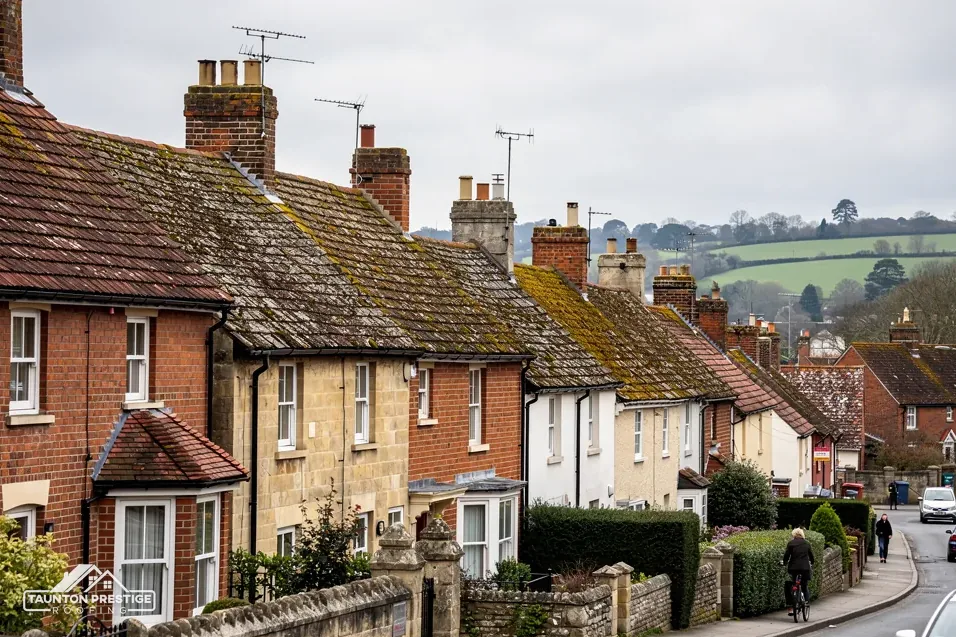
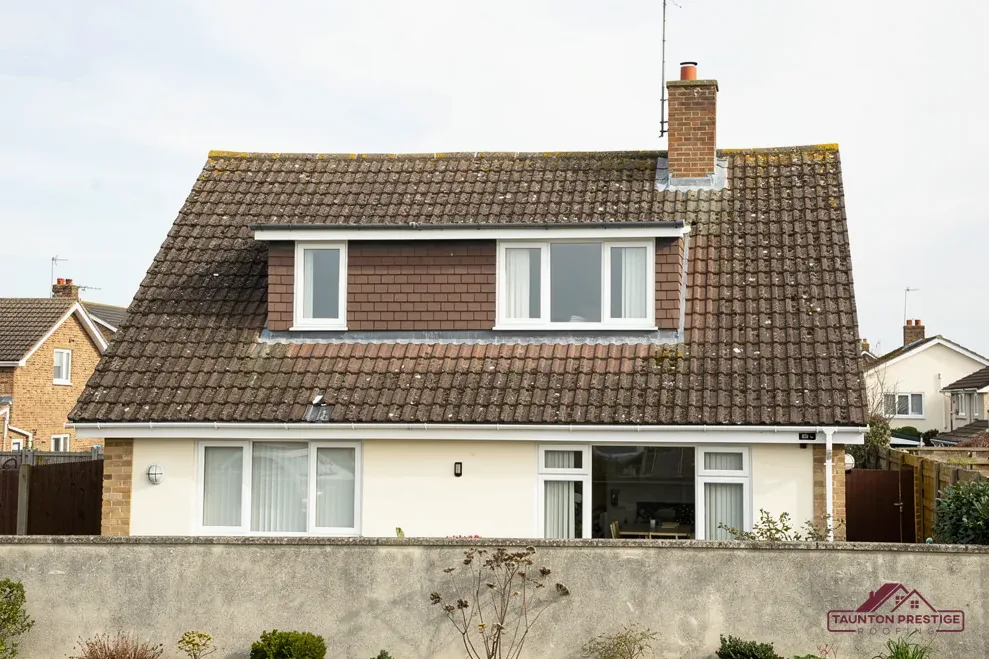
1 and 2 Whitehayes Cottages, 4, 5 and 6 The Hill and Ashes Farmhouse are all Grade II listed.
The conservation area reaches to within about 0.75 km of the centre, so a change of covering needs checking first.
Street map of Kilmington with Axminster, Colyton, Colyford, Stockland marked around it, and Taunton.
Axminster is the nearest town, east of the village, with Chardstock to the north-east, Stockland to the north, Colyton to the south-west and Uplyme to the south-east.
About 16 miles south of Taunton, East Devon District Council and Devon County Council.
Four checks for a village roof
Four facts about a house in or near the old village, and the effect each one has on the work and the bill.
Kilmington's older buildings are well recorded. St Giles is listed Grade II*, and 1 and 2 Whitehayes Cottages are Grade II, as are 4, 5 and 6 The Hill and Ashes Farmhouse. The National Heritage List has 22 entries within 500 metres of the village centre. A look-up of your address therefore comes before any talk of slates, because a listing settles who must say yes to the work. Asking that question early costs nothing. Asking it halfway through a job can leave a roof open to the weather while everybody waits for an answer, and nobody wants to be in that position in November.
St Giles is a working Anglican church. Its roof comes under the Church of England's faculty system rather than listed building consent from the council. The parish files the petition for it. The roofer then builds to whatever scheme the faculty approves. A redundant church, or a chapel converted into a home, would go down the council route instead, which is why the building's current use is the first thing to establish.
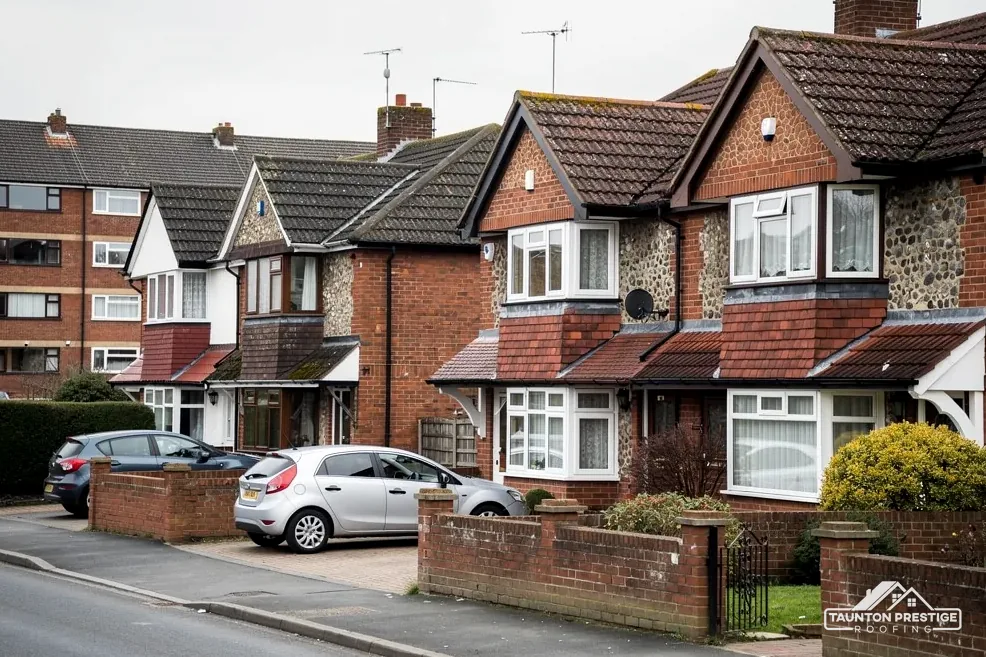
Listing does not rule out a like-for-like repair. It does bring listed building consent into play for anything that alters how the house looks or what it is built from. A different covering, a ridge on a new line, or a roof window cut into the slope facing the lane are the usual triggers. East Devon District Council deals with those applications, and our guide to planning permission for roof work gives the general position.
The conservation area is one more thing to confirm for your address. At the survey we note each slope and photograph it, so any application describes the real roof and nobody is arguing from memory about what was there before.
Look for
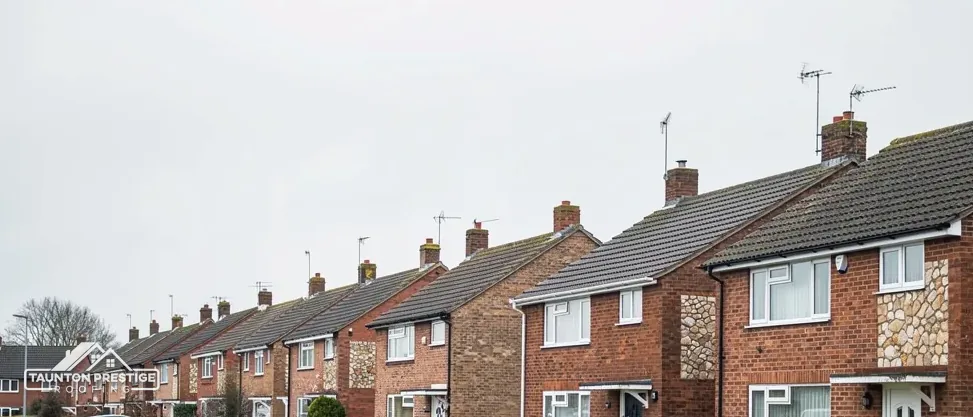
The East Devon National Landscape takes in Kilmington. The old title was Area of Outstanding Natural Beauty, and the planning regulations still use that older title, so paperwork may show either one. The new name altered nothing in law. What the designation does is tighten planning control, and it does so for a short list of roof jobs while leaving most ordinary repairs alone.
What decides the price
Re-covering a house in the material it already has is the plain case, and many Kilmington repairs fall there. The answer shifts if the roof will look different afterwards. Weight matters as well: a covering at least 15 per cent heavier than the old needs Building Regulations approval and a structural check. We weigh the existing covering against the proposed one at the survey, so you know in advance which case you are in. A new covering that suits the rafters is cheaper to fit than one that needs strengthening first, and you should hear that before you choose.
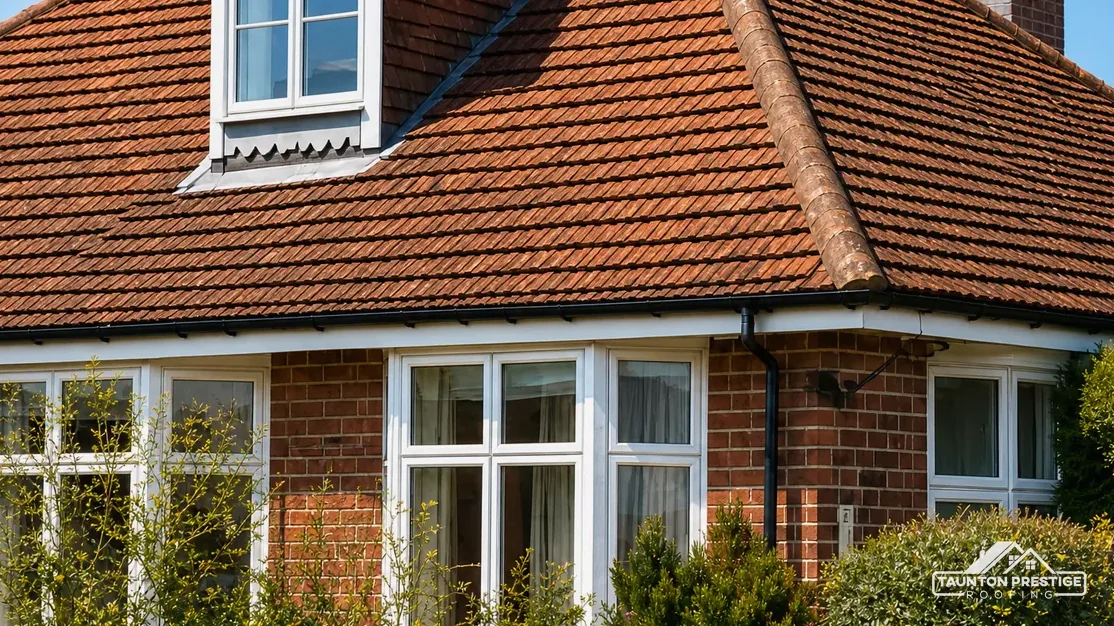
A dormer, the box that adds headroom to a loft room, is the job most likely to need a planning application in this designation. A roof window set flush with the slope is a smaller step, but its size and position still count, and a window on a side slope has its own glazing conditions. The planning team at East Devon District Council can confirm what applies to your address before you commit to a design or buy the window.
Some owners ask for a rooflight because the landing is dark, others because they plan a loft room later. Both are reasonable reasons, and the design should follow the reason. We keep that conversation separate from the roofing. You decide what to apply for, we tell you what the rafters can carry, and the written price follows once the survey is complete.
Sound or needs work
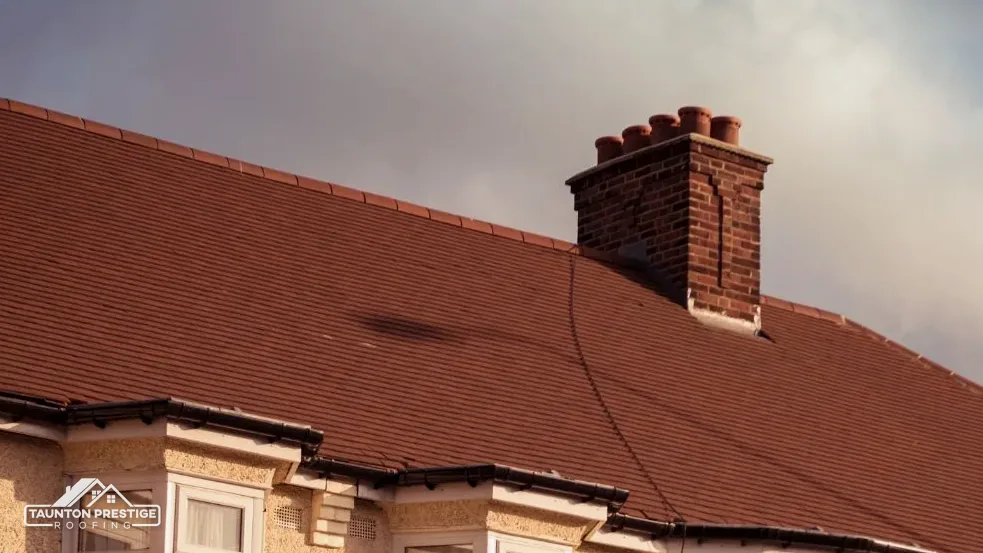
On an older house a chimney stack is where many leaks begin. Three spots give trouble. The flaunching, a ring of mortar, holds the chimney pots firm where they sit on the stack. The lead flashing seals the stack against the roof slope. The pointing fills the gaps between stones or bricks. Any one can fail with no sign indoors until a brown stain spreads across a bedroom ceiling. By then the timber around the stack may have been damp for a season, and we check it for softness while we are there.
A stain on the ceiling has usually come in at a joint, so we start with the joints.
No, once we have safe access. Raking out the old collar and casting a new one takes a short visit and stops rain running down beside the pots. While we are up there we test each pot, because one that rocks is a hazard to the lane below as well as a leak. A stack that leans, or bricks that crumble in the hand, points toward a rebuild, and photos show you that before a price is written.
The ridge is the capping along the top of the roof, traditionally bedded in mortar. Marley reports that since BS 5534 was revised in 2014, ridge and hip tiles cannot rely on the strength of mortar alone. A ridge that is re-laid therefore also gets metal clips or screws. Dry-fix is the clip-and-screw alternative to a wet bed. The standard is a code of practice, not legislation, and a listed house may need consent before the ridge style changes.
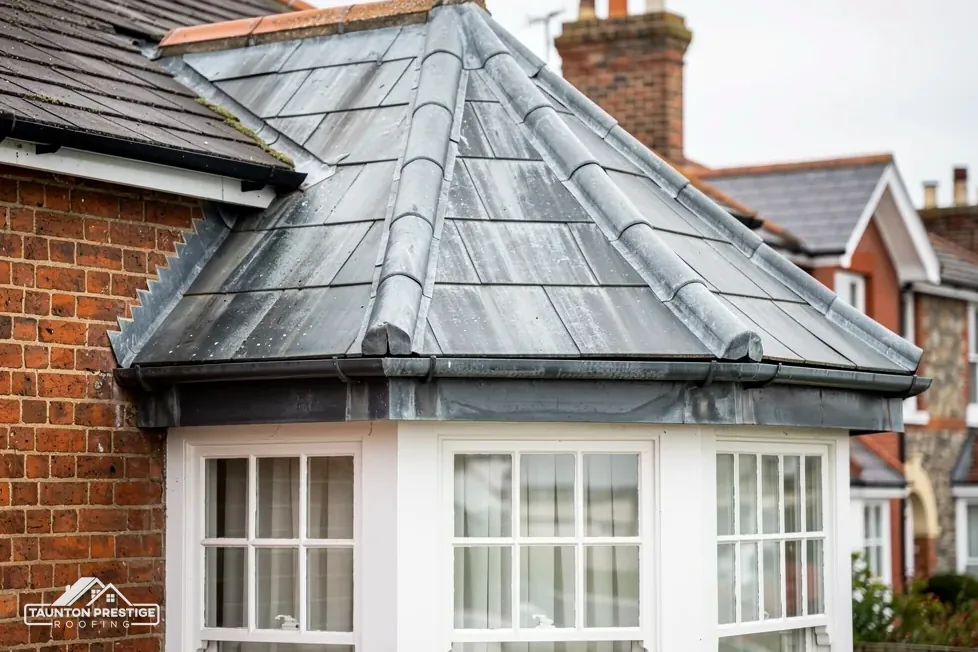
Old lead deserves a second look before it goes. Lifting a section and relaying it with fresh fixings is sometimes enough. Lead flashing can last for over 80 years, so a stack with failed lead has often lost its fixings or its pointing instead. Our chimney repairs page lists the choices, and the slopes around the stack come under pitched roofing.
Scaffold that blocks public pavement or verge needs a licence under section 169 of the Highways Act 1980. Kilmington is in Devon, where the application to Devon County Council comes from the scaffolding firm, on the customer's behalf. The licence is £158 and needs at least 10 working days' notice, and any start date we offer builds in that wait. Poles set up on your own drive or in the garden never touch the highway, and a modest repair can sometimes be reached with a ladder or a tower instead.
For a whole new roof it can. The Planning Portal gives the test: where the work touches under 25 per cent of the building envelope and under 50 per cent of the roof, an application is not normally required. Whatever the area, a covering that makes the roof 15 per cent or more heavier needs Building Regulations approval. If you are unsure, ask the building control body that covers your address.
The Wildlife and Countryside Act 1981 shields a bird's nest that is in use from intentional damage. Every bat species and its roost is fully protected, says GOV.UK, and roof repairs can disturb a colony. So the eaves and ridge are examined on the survey visit, and the programme is built around whatever turns up there. Where the eaves are clear the work goes ahead as planned, and where they are not, you hear why before any date moves.
After the survey, the photographs and a single written total for the entire job reach you together. We also tell you plainly if a smaller repair would serve you better than a bigger one. Message us your Kilmington address and what has caught your eye, and the survey goes in the diary.
What decides the price
Walked the roof?
When you have read the checks, we walk the roof and show you the photos.
A listed house can have like-for-like repairs, but changes that affect its special architectural or historic interest need listed building consent too. New slate that matches the old in size, colour and thickness makes the easiest case. We record the existing covering at the survey and suggest sound reclaimed slates where new ones would show.
The designation does not ban roof windows, but size and position still count, and a dormer is more likely to need a planning application than a flush window. Put your address to East Devon District Council's planners before settling on a design. We then check that the roof structure can carry what you choose.
St Giles is listed Grade II* and is a working Anglican church. Work on its roof is approved by the faculty system, not by listed building consent from the council. The parish handles the petition, and we can supply photographs and a description of the repair for it. Any roofer then works to the specification that the faculty approves.
Often it is. Lead flashing can last for over 80 years, so one that leaks has frequently lost its fixings or its pointing instead of reaching the end of its life. We study the way it is tucked into the mortar joints of the stack, then tell you whether a repair will hold or the flashing should be replaced.
Name the Kilmington slope that concerns you, and a survey visit follows with photos of what we find.