St Matthew's Grade I church
Listed on 22 November 1966 and Anglican, so its roof work runs through a faculty and not the council.
Grade I church, Court Farmhouse and paper-mill country near Wells
Close to Wells, Wookey's 1,269 residents share the village with St Matthew's, a Grade I church, and Court Farmhouse, listed Grade II*. Every roof is surveyed first.
Listed on 22 November 1966 and Anglican, so its roof work runs through a faculty and not the council.
Also listed on 22 November 1966; a roof change here needs listed building consent if it touches the building's character.
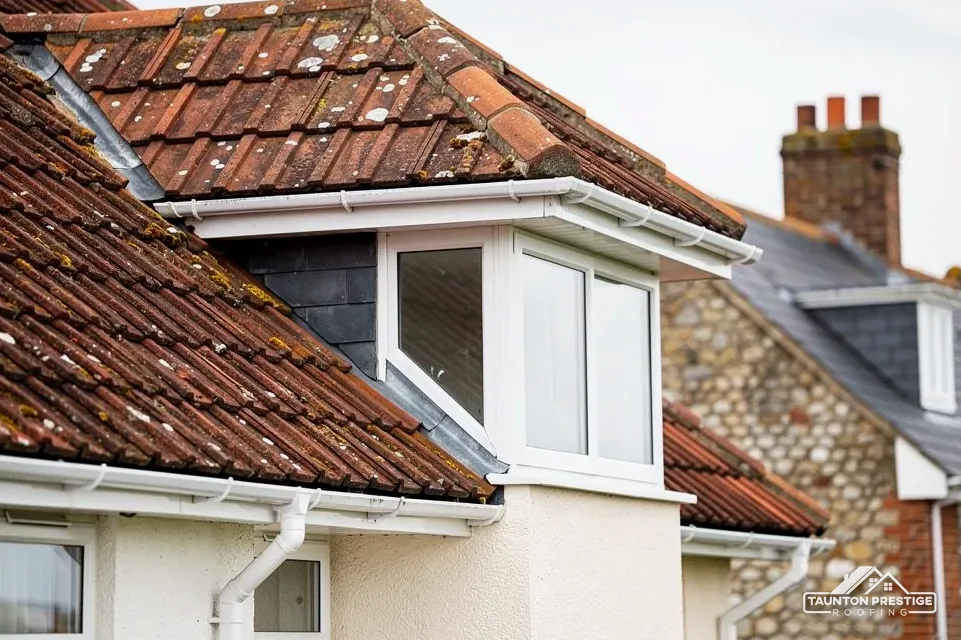
Abbey walls and gate piers are Grade II*, Batch Cottage Grade II, so nearby roofs start with a consent check.
Street map of Wookey with Wells, Glastonbury, Meare, Wedmore marked around it, and Taunton.
Wells lies east of Wookey, with Glastonbury and Street to the south, Wedmore to the west and Cheddar to the north-west, while Meare sits south-west and Pilton south-east.
About 23 miles north-east of Taunton, Somerset Council (unitary).
Four checks near Wells
What to check on a Wookey farmhouse, workshop or family home, with the consent, method and cost that follow from each.
Wookey's older roofs stand among serious listings. St Matthew's church and Court Farmhouse share a first-listing date of 22 November 1966, one at Grade I and the other at Grade II*, so on that day the two came onto the list together. The boundary walls and gate piers of Mellifont Abbey are Grade II*, and Batch Cottage is Grade II. Anyone pricing work near those buildings needs to settle who must agree first. The listing of a wall or a gatepost says nothing about the roofs behind it, because every building carries its own entry on the list, so the address is what to look up. A small administrative fact sits underneath. Wookey belonged to Mendip District Council until that body was abolished on 1 April 2023, and Somerset Council is the planning authority today.
Somerset Council keeps the definitive conservation area maps for the former Mendip area, and boundaries do get revised from time to time. Put your address to Somerset Council's planners if you intend anything beyond a straight repair, and send them our survey photographs so that the answer is about your actual roof and not a general one.
St Matthew's is a working Anglican church, which puts its roof under the faculty system, with the parish making the arrangements. A listed house such as Court Farmhouse needs the council's listed building consent for anything touching its special interest, which can include a change of covering or a new ridge. An unlisted house outside any designation can be repaired with no application at all. The first line of our survey notes records which of those descriptions fits your address, because everything later depends on it. Where the answer is unclear, pricing waits until the council has replied.
Look for
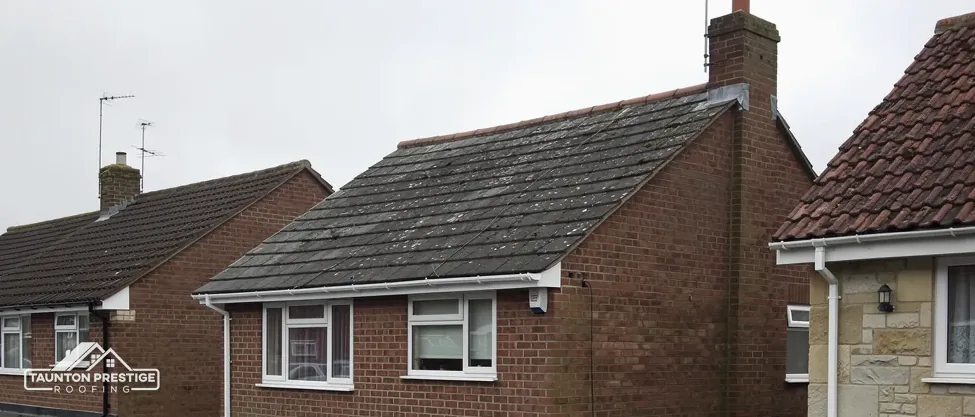
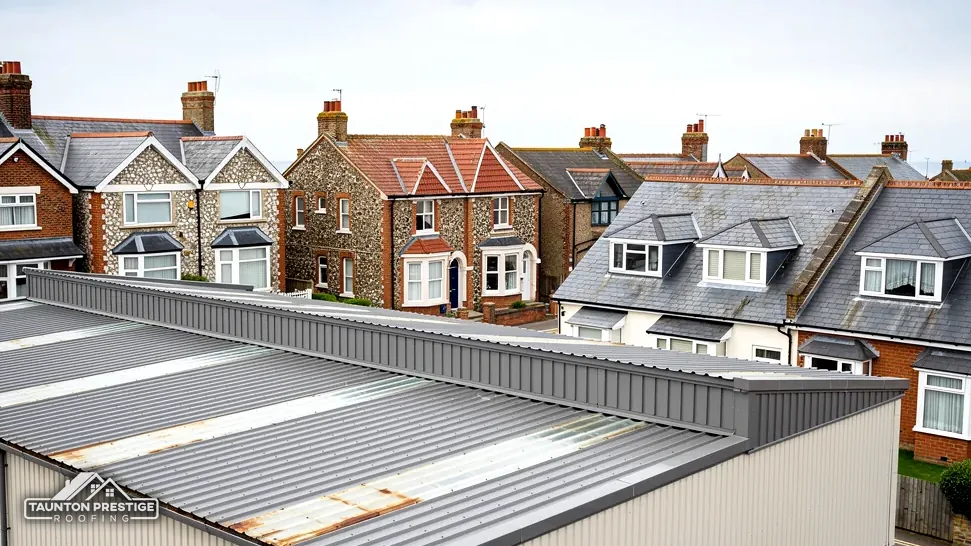
Wookey has a working past as well as a listed one. The Wells area's major paper mills lay outside the city, between Wookey and Wookey Hole and at Dulcote, and sheds, barns and garages remain part of village life. Many carry corrugated sheets that nobody has inspected closely for years. For any building put up before 2000, HSE would have you assume asbestos is there, and it rates every asbestos cement roof as fragile, which means a person can drop through one with no warning at all.
What decides the price
Sometimes, if it is sound and nobody goes near it. Weathered cement sheeting in fair condition counts as non-licensed to handle, provided it comes off carefully and in one piece. Smashing the sheets into pieces moves the job into notifiable non-licensed work, with added duties and record-keeping. Asbestos waste travels with a consignment note, double-wrapped and labelled, and a skip is never the answer. Where a job needs a specialist firm, we name that and put you in touch.
MyJobQuote (Sep 2026) averages around £2,750 for taking an asbestos roof off and puts a survey at £325, and its garage roof page (Oct 2026) gives £750 to £3,500 with an average of £1,500. Treat those as national guides; our own total follows our survey. Access, area and the route for the waste move it the most. Roof lights set into the sheets are a particular hazard, because moss hides them and they take a person's weight no better than the sheets around them. Before anyone steps on a sheet roof we agree a method that keeps people off the sheets, and a roof that cannot be reached safely is surveyed from the ground, the loft or a tower. Our garage and asbestos roofs page covers the steps, and larger farm and unit roofs sit under commercial roofing.
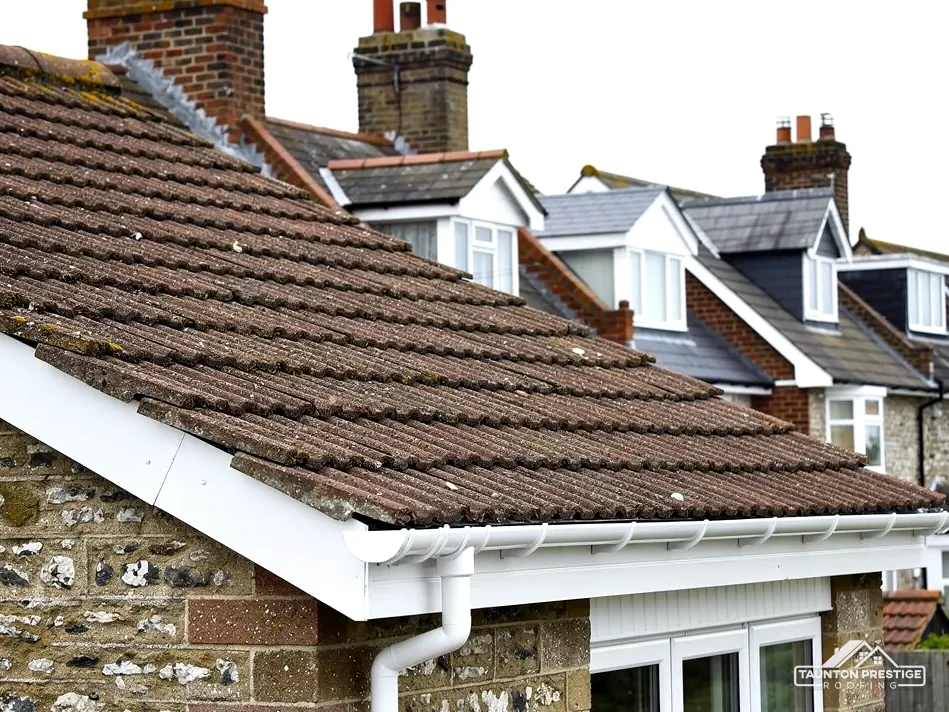
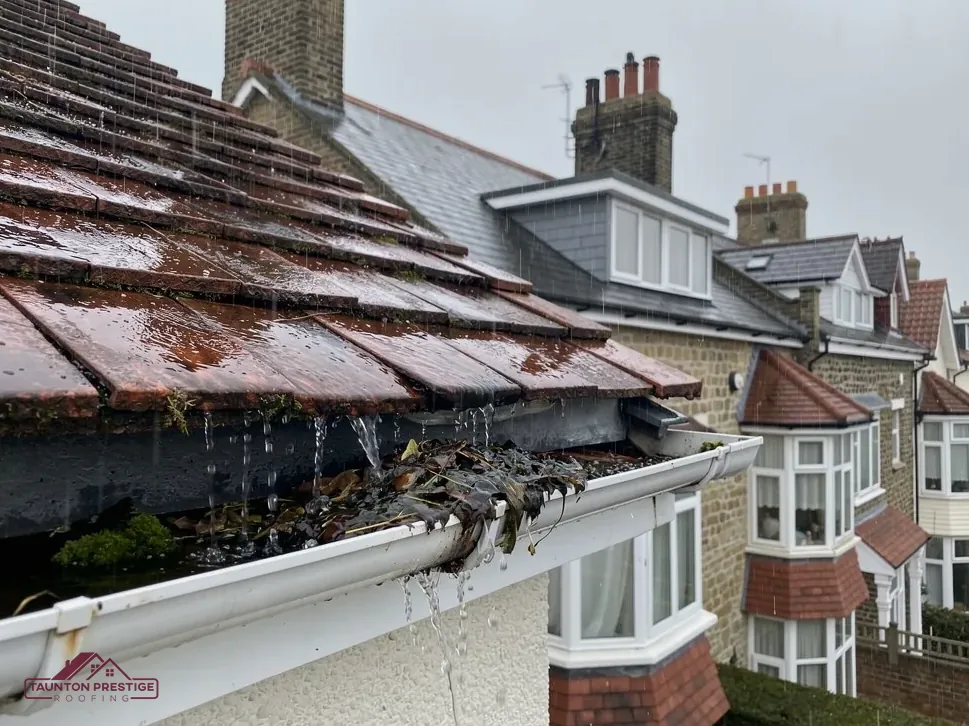
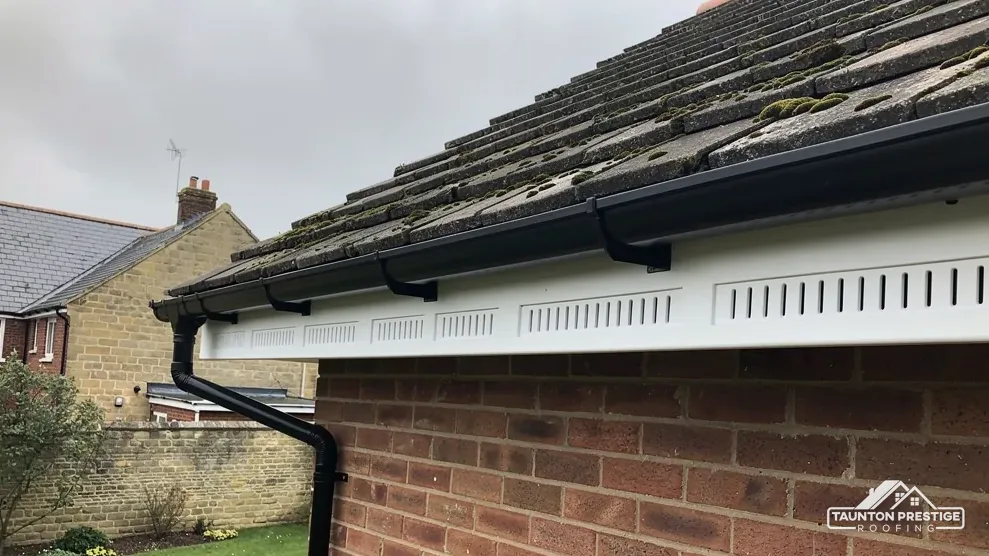
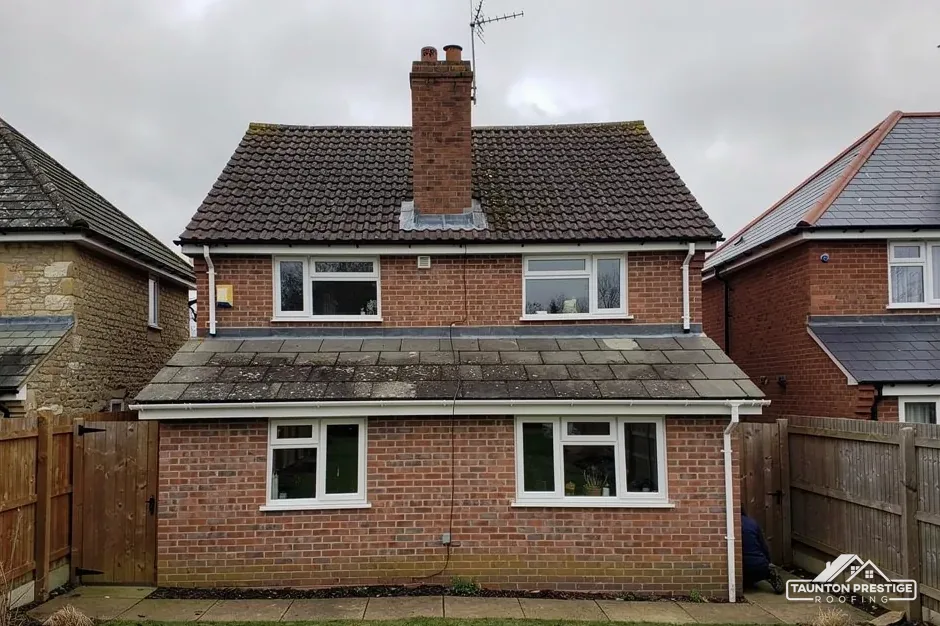
Under the overhang, the soffit is a flat panel closing the gap between wall and roof edge, and the fascia is the board across the rafter ends that carries the gutter. On a house from before 2000, the soffit needs a careful look, because HSE records asbestos insulating board, known as AIB, among the materials found in external soffits and adds that no one can reliably separate it from a harmless lookalike by eye.
Possibly, so we check before anyone drills, saws or prises it off. AIB soffit removal is frequently licensed work, and HSE's risk assessment rules decide whether yours is, so the answer arrives ahead of any price. A sample sent to a laboratory settles the question, and the survey photographs go with the sample. If the board proves clear, the job is an ordinary one and proceeds as planned.
A soffit that looks plain can still be asbestos board, so it is checked before it is touched.
MyJobQuote (Sep 2026) puts capping of fascias and soffits at around £800 as an average, and (Oct 2026) guttering at about £1,000 to £1,600, both typical UK ranges. One plastics retailer, a seller with an interest, says uPVC fascia boards last between 20 and 40 years, so take that as a guide only. Our gutters, soffits and fascias page explains replacing against capping over sound timber. Timber fascias tend to rot from the top edge down, where an overflowing gutter has kept them wet. Overflowing gutters also stain and soak the wall beneath them, so we trace where each leak starts, because replacing a length does not cure a dropped bracket two metres along. Downpipes get the same attention: a pipe that empties against the foundation is moving the problem and not solving it. Each outlet and downpipe appears in the survey photographs, so you can follow the water's route yourself.
Scaffolding on the Wookey highway needs a licence from Somerset Council, the highway authority. The charge is £124.60 for each 28-day period (April 2026) and the council wants 10 working days' lead time, so the paperwork decides the earliest start day. Our scaffold licence answer explains the process. Scaffold within your own yard stays clear of the highway, and none of that applies.
What decides the price
Somerset Building Control gives no percentage rule of its own, so the Planning Portal's national test is the one to use: under 25 per cent of the building envelope and under 50 per cent of the roof. Both limits must hold. A notifiable re-roof is charged as renovation of a thermal element. New charging regulations are due on 6 November 2026, with the fee schedule to be published at least 7 days earlier, so ask the team for current charges on 0300 303 7790.
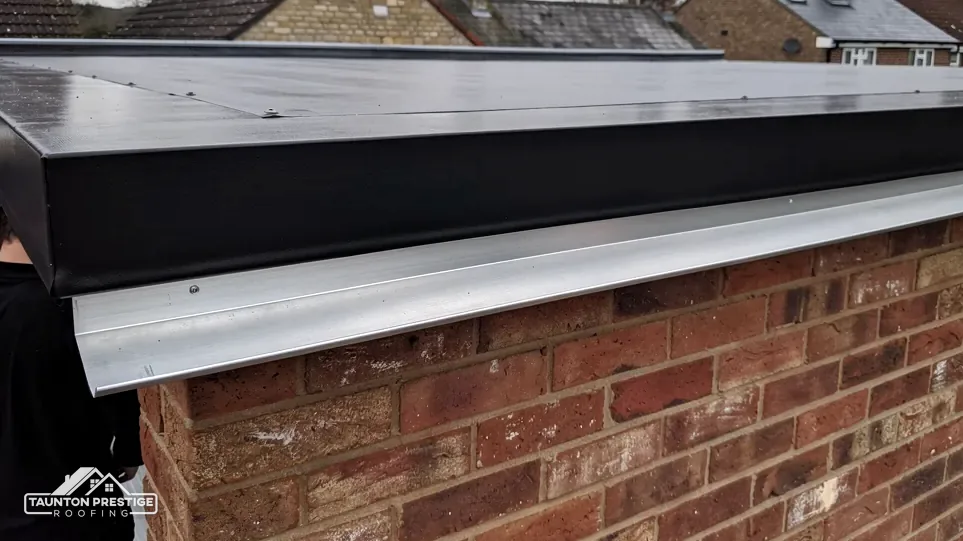
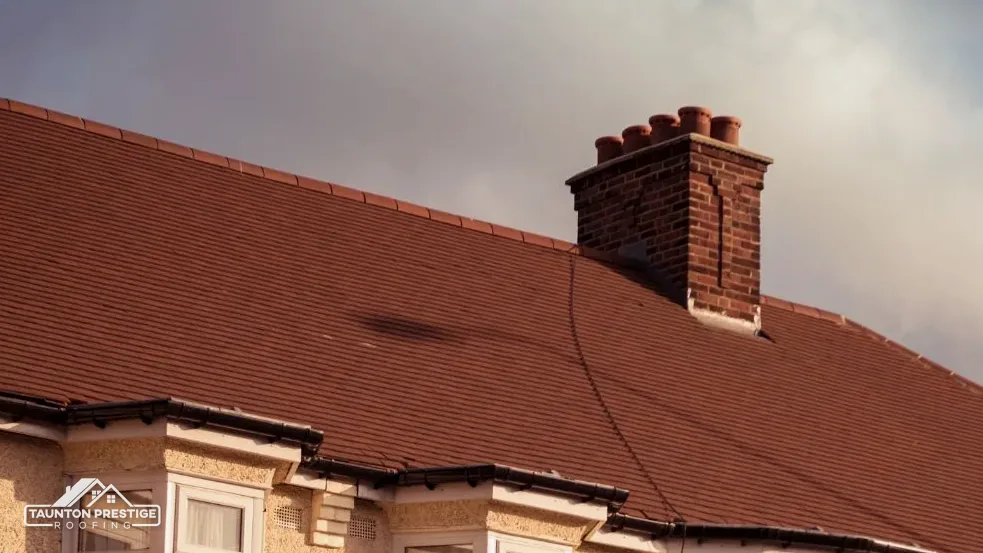
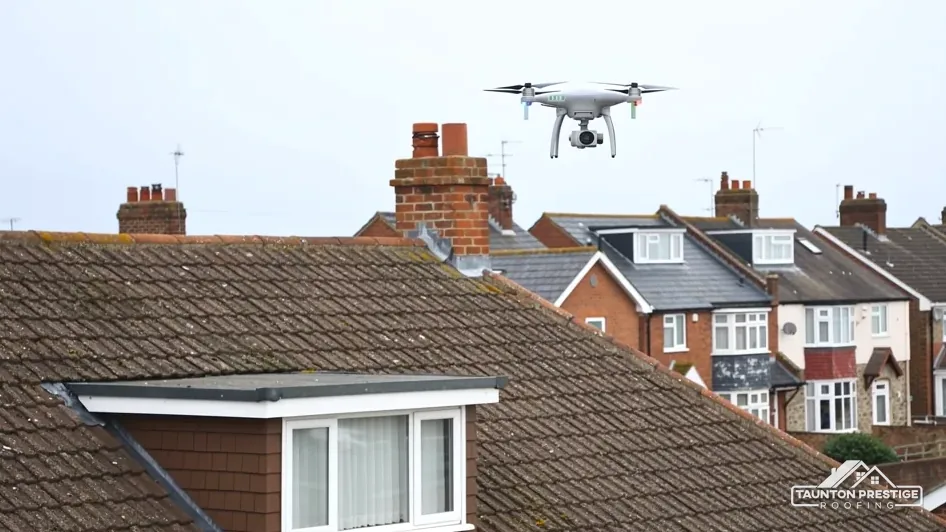
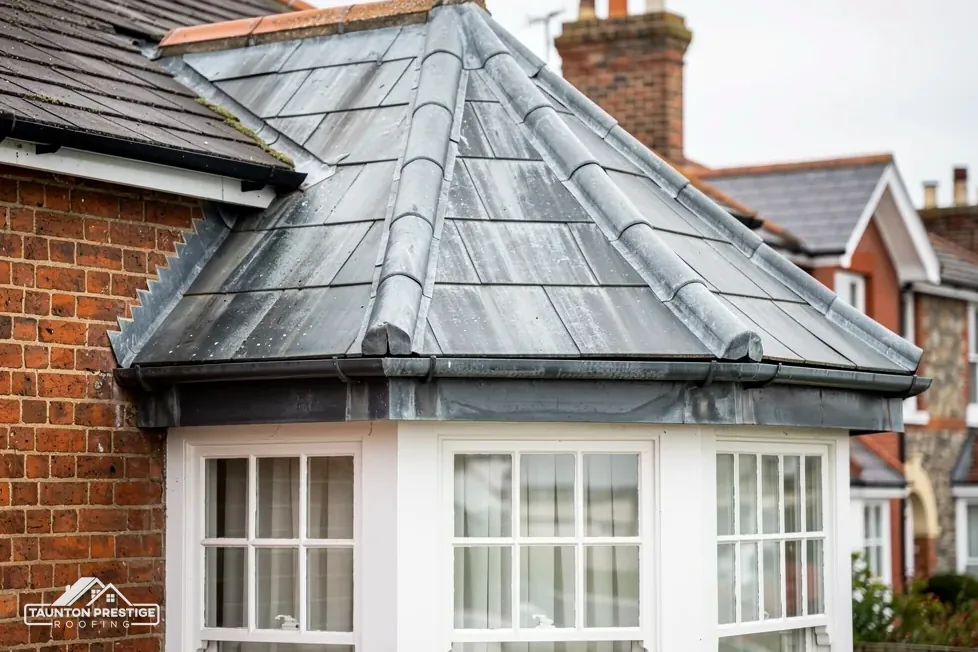
A survey comes first. On it we note the pitch, the covering, the ridge, any valleys and flashings, the gutters and the soffits, and each is photographed, so you see the roof you are paying for before you pay. The photographs are followed by the single written total. Send your Wookey address with a word on the building, and a surveyor will be booked in.
Nobody offers a national grant towards a new roof. The schemes that do exist aim at insulation. Ofgem says ECO4 runs until 31 December 2026, the Great British Insulation Scheme needed installations finished by 31 March 2026, and the Warm Homes: Local Grant usually asks for household income of £36,000 a year or less. Eligibility is for each scheme to decide, so read the GOV.UK pages before you rely on any of them.
Walked the roof?
When you have read the checks, we walk the roof and show you the photos.
Court Farmhouse is Grade II*, so work that changes its special interest needs the council's listed building consent. The council is Somerset Council, which took over from Mendip District Council on 1 April 2023. A repair matching the old is the simpler request, and survey photographs of the roof go with your question to the planners.
Treat it as possible if the building went up before 2000. HSE rates every asbestos cement roof as fragile, so nobody should step on one. A laboratory sample gives a firm answer. Lifting whole sheets off with care is non-licensed, whereas breaking them up brings notification duties. We arrange the right route once the result is in.
They could be, on a house from before 2000. HSE finds AIB in external soffits and says lookalikes are hard to tell apart by eye. Many AIB soffit removals count as licensed work, depending on HSE's risk assessment rules, so the board is tested ahead of the quote and you are told what came back.
When it stands on the highway, yes. Section 169 of the Highways Act 1980 makes the highway authority, which for Wookey is Somerset Council, the body that grants the licence. Ask the scaffolder who applies. Scaffold kept entirely on private land never touches the highway, so no licence is involved, though we still plan access with you.
Say which building the roof belongs to, and a survey visit in Wookey will be arranged.